
Even in cold water, microbes can survive and multiply because certain types, like psychrophiles, thrive at low temperatures. They use special adaptations, such as producing antifreeze proteins and increasing unsaturated fats in their cell membranes, to stay active and prevent ice damage. Cold-active enzymes also help them carry out essential processes. If you want to understand how these tiny microbes manage to stay alive in icy environments, keep exploring this fascinating topic.
Key Takeaways
- Psychrophilic microbes are specially adapted to thrive and multiply in cold water environments.
- Cold-adapted enzymes remain active, supporting microbial metabolism even at low temperatures.
- Microbes produce antifreeze proteins and modify cell membranes to prevent ice damage and maintain fluidity.
- Some bacteria and viruses can survive and grow slowly in cold water, posing health risks.
- Microbial biofilms protect microbes, allowing persistence and growth despite cold conditions.
As an affiliate, we earn on qualifying purchases.
Can Microbes Grow in Cold Water?
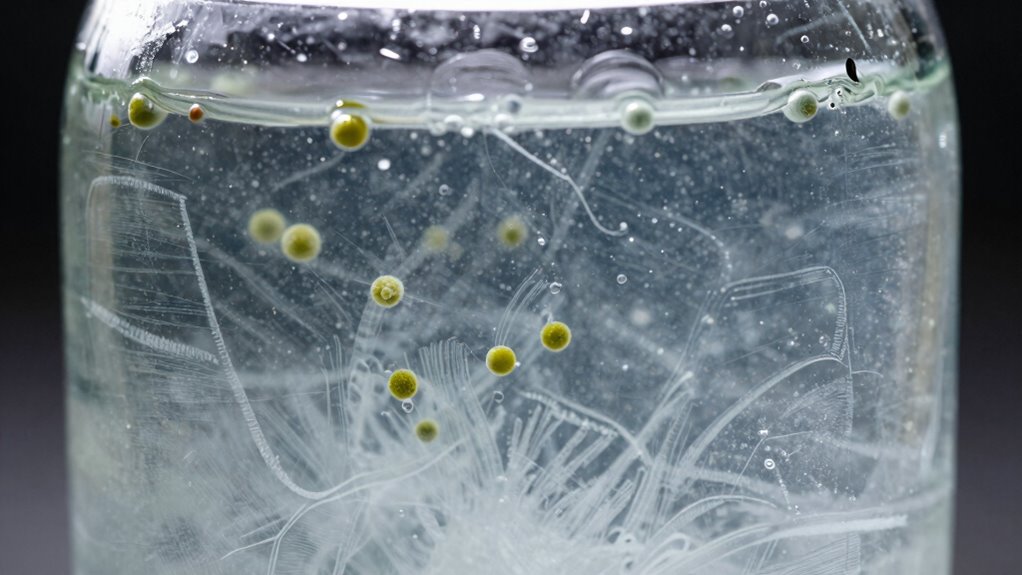
Even though cold water might seem inhospitable, microbes can still grow in it under certain conditions. Cold water doesn’t automatically stop microbial growth; some microbes have adapted to thrive at low temperatures. Psychrophilic bacteria, for example, are specialized to survive and multiply in cold environments. These microbes can carry out essential metabolic processes despite the chill, especially when nutrients are available. Factors like water temperature, nutrient levels, and the presence of biofilms influence microbial growth in cold water. So, even if you think cold water is safe, it can harbor microbes that continue to grow slowly but persistently. The adaptations of psychrophilic bacteria allow them to survive and function efficiently in such conditions. Recognizing this helps you understand why cold water isn’t always free of microbial activity and why proper sanitation is still necessary. Additionally, nutrient availability in cold water can further support microbial growth, emphasizing that temperature alone isn’t the only factor.
cold water microbial testing kits
As an affiliate, we earn on qualifying purchases.
As an affiliate, we earn on qualifying purchases.
What Types of Microbes Thrive in Low Temperatures?
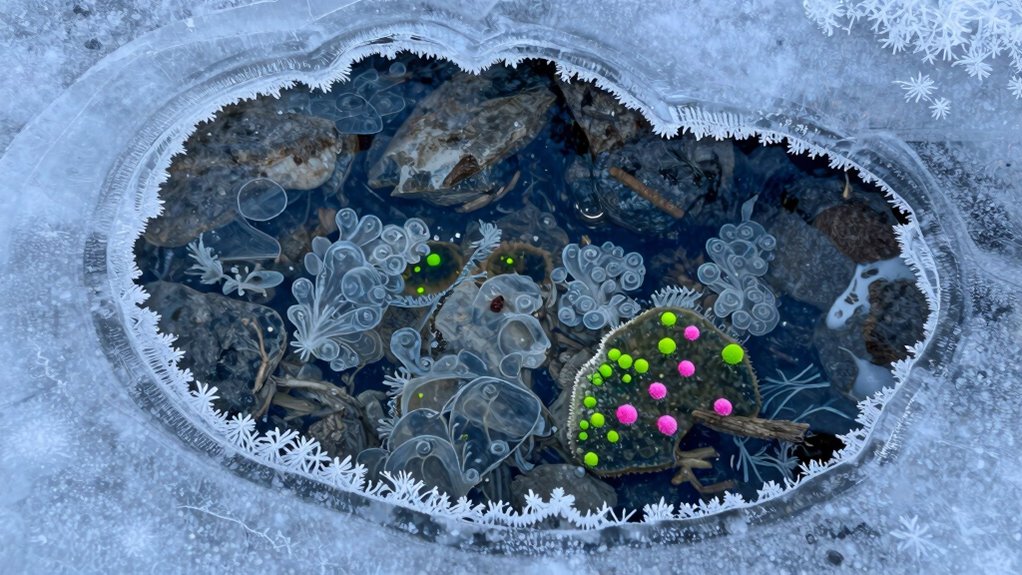
Certain microbes are specially adapted to thrive in low temperatures, making them common in cold environments. These microbes exhibit remarkable microbial diversity, with many extremophile species capable of surviving and growing in frigid conditions. Psychrotolerant bacteria and fungi dominate these cold habitats, evolving enzymes and cell structures that function efficiently at low temperatures. These extremophile species often have cell membranes rich in unsaturated fats, preventing rigidity in the cold. Their metabolic processes are optimized for minimal energy use, allowing growth where other microbes cannot survive. Additionally, these microbes often possess specialized enzymes that enable biochemical reactions to occur efficiently at low temperatures, further supporting their survival. The presence of cold-adapted enzymes exemplifies the biochemical innovations that facilitate life in extreme cold environments. Understanding which microbes thrive in cold environments helps explain their resilience and ecological roles. It also highlights the incredible adaptability of microbial life, even in the harshest, coldest places on Earth.
biofilm removal cleaning products
As an affiliate, we earn on qualifying purchases.
As an affiliate, we earn on qualifying purchases.
Meet Psychrophiles: The Microbes That Love the Cold
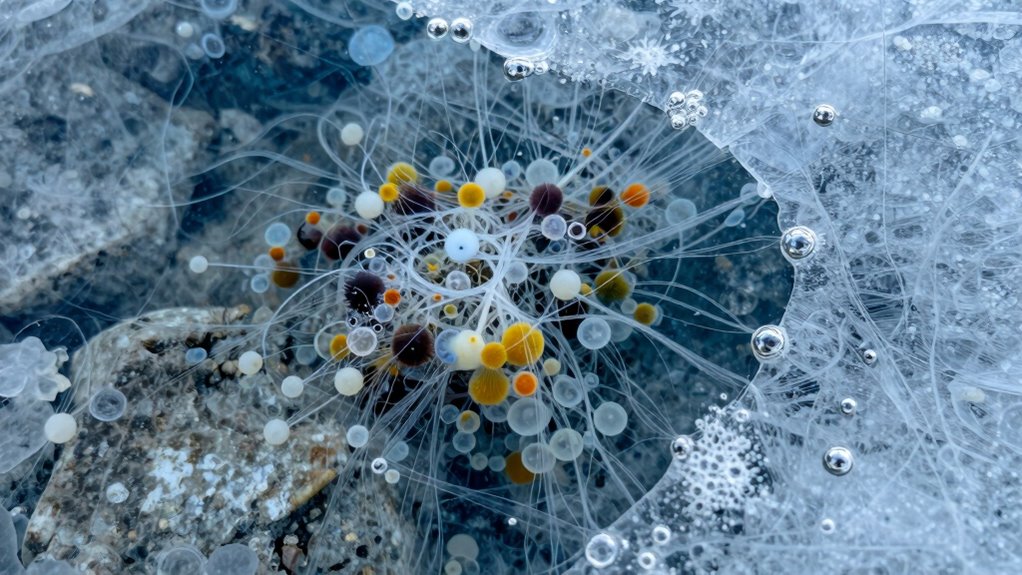
Meet psychrophiles, the remarkable microbes that thrive in cold environments where most organisms cannot survive. These cold loving microbes have unique adaptations that allow them to function at low temperatures. Their enzymes remain flexible, enabling metabolic processes to continue despite the cold. Psychrophiles also produce special antifreeze proteins that prevent ice crystal formation inside their cells, protecting their structures. Their cell membranes contain high levels of unsaturated fatty acids, maintaining fluidity in freezing conditions. Additionally, their ability to adapt to extreme environments is a testament to their highly specialized traits. Their genetic adaptations have evolved over time, enabling these microbes to utilize cold-specific nutrients efficiently. Moreover, these adaptations are crucial for microbial survival in extreme environments. These specialized traits are a result of genetic adaptations that have evolved over time, allowing them to grow and reproduce where others cannot, highlighting how diverse microbial life can be, even in the coldest corners of Earth.
psychrophilic bacteria culture kit
As an affiliate, we earn on qualifying purchases.
As an affiliate, we earn on qualifying purchases.
How Temperature Affects Microbial Growth in Water
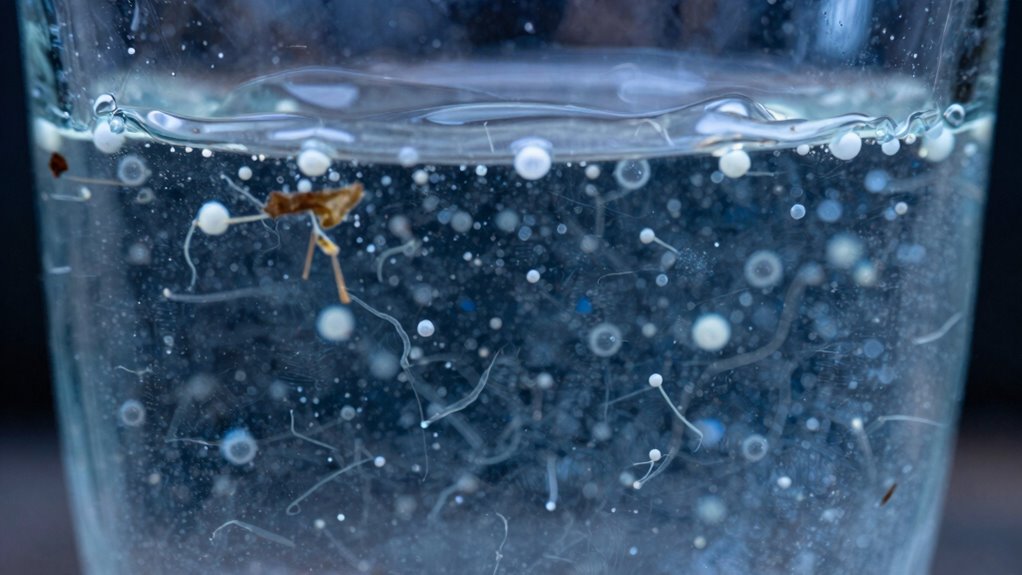
You might assume cold water can’t support much microbial growth, but some microbes thrive in low temperatures. As water temperature drops, microbial activity slows but doesn’t stop entirely. In fact, certain bacteria are adapted to survive and even reproduce in cold environments, demonstrating their resilience in chilly conditions. Understanding these limits helps you see how microbes can still grow even in chilly water. Microbial survival in cold water is influenced by water temperature and the specific microbes present.
Cold Water’s Microbe Limits
Cold water markedly slows microbial growth because lower temperatures inhibit the enzymes and metabolic processes that microbes rely on. While microbes are less active in cold water, they aren’t completely halted. This is why cold water alone isn’t enough for reliable cold water purification; some microbes can survive despite the chill. Additionally, certain microbes develop microbial resistance, making them more resilient even in cooler environments. The low temperatures limit growth but do not eliminate microbes entirely. So, relying solely on cold water to control microbial presence can be risky. For thorough purification, combining cold water with other methods, like filtration or chemical treatment, ensures you’re effectively reducing microbial resistance and preventing contamination. Cold water’s limits highlight the importance of multi-layered water safety strategies.
Microbial Growth at Low Temperatures
Lower temperatures slow down microbial growth by reducing the activity of enzymes and metabolic processes that microbes depend on to survive and reproduce. However, microbes can adapt to low water temperatures through microbial adaptation, allowing some to remain active even in cold conditions. This microbial resilience demonstrates the remarkable ability of microbes to survive under less-than-ideal conditions. Additionally, some microbes have evolved cold-active enzymes that function efficiently in cold environments, enabling continued growth. This adaptation means that cold water doesn’t completely inhibit microbial activity; instead, it shifts which microbes thrive. Understanding how temperature influences microbial growth helps explain why some microbes can still grow in chilly water, highlighting the resilience and adaptability of microbes even in less-than-ideal conditions. Moreover, heat pump technology plays a role in controlling water temperature to inhibit microbial growth in certain settings.
Are Cold Water Microorganisms Dangerous? Which Pathogens Should You Know?

While cold water may seem less risky, certain microorganisms can still thrive and pose health threats. Water temperature influences microbial resistance, meaning some bacteria and viruses survive even in chilly conditions. Pathogens like Listeria monocytogenes can grow at refrigerator temperatures, making cold water a potential carrier. Salmonella and E. coli are also capable of surviving cold environments, especially if water is contaminated. These microbes don’t need warmth to stay active; instead, they adapt to cold, increasing the risk of illness. Knowing which pathogens can persist in cold water helps you stay vigilant. Proper hygiene, safe handling, and regular cleaning are essential to prevent these microorganisms from causing infections, even when the water feels cold to the touch. Additionally, understanding the influence of ecosystems like Hopi culture can shed light on the importance of environment in microbial presence and water safety. Recognizing body piercing hygiene practices can also reduce the risk of introducing contaminants into water sources. Furthermore, awareness of microbial resistance is crucial in understanding how these organisms survive adverse conditions and how to effectively eliminate them. For instance, certain biofilms can form in cold water, providing a protective environment that makes microbial eradication more challenging.
How Do Microbes Adapt to Survive Cold Environments?
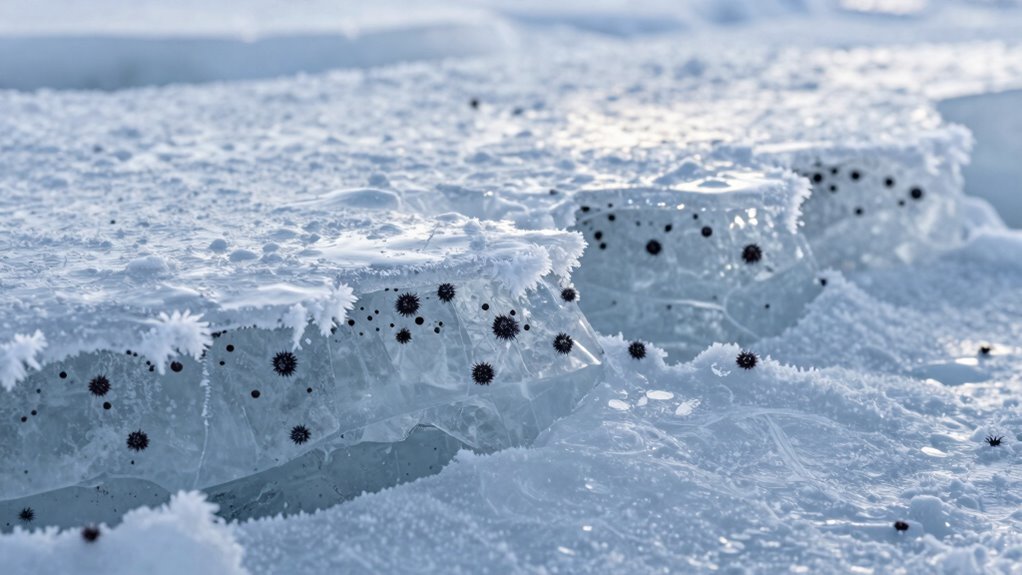
Microbes survive cold environments by producing anti-freeze compounds that prevent ice formation inside their cells. They also alter their cell membranes to stay flexible and functional at low temperatures. Additionally, they optimize enzyme activity to maintain essential processes despite the cold. Implementing study techniques can help researchers better understand these adaptations and develop new methods to combat microbial growth in cold environments. Understanding microbial resilience can also inform the development of sustainable strategies for managing microbial activity in various ecosystems. Recognizing the importance of biodiversity hotspots can aid in identifying regions where microbial diversity contributes significantly to ecosystem stability.
Production of Anti-Freeze Compounds
To survive in freezing environments, microbes have developed the ability to produce anti-freeze compounds that prevent their cells from freezing solid. These antifreeze compounds act like natural antifreeze, lowering the freezing point of water inside the cells and preventing ice crystal formation. This is a key part of microbial adaptation, allowing microbes to thrive where temperatures drop well below freezing. By synthesizing substances such as glycoproteins or alcohols like glycerol, they maintain cellular integrity and functionality. These compounds help stabilize cell structures and keep water in a liquid state, even in extreme cold. Interestingly, this adaptation is similar to freeze-tolerant organisms that can survive in diverse environments by utilizing biochemical strategies. This microbial adaptation showcases how microbes manipulate their biochemistry to survive and remain active despite harsh environmental conditions.
Altered Cell Membranes
In cold environments, microbes actively modify their cell membranes to maintain functionality. They do this by adjusting membrane fluidity, guaranteeing their membranes stay flexible enough for vital processes. To achieve this, microbes alter their lipid composition, increasing the proportion of unsaturated fatty acids. These unsaturated fats contain double bonds that prevent tight packing, keeping membranes more fluid at low temperatures. Conversely, they might reduce the amount of saturated fats, which tend to make membranes rigid. This dynamic adjustment allows the cell membrane to remain semi-permeable and functional despite the cold. By fine-tuning their lipid makeup, microbes ensure essential processes like transport and signaling continue smoothly, giving them a survival advantage in icy environments.
Enzyme Function Optimization
As temperatures drop, enzymes—the proteins that catalyze essential biochemical reactions—must adapt to maintain their activity. Microbes enhance enzyme stability by producing specialized enzymes with flexible structures, allowing them to function efficiently in cold environments. This microbial adaptation guarantees that metabolic processes continue despite the chill. To illustrate, consider the following:
| Enzyme Adaptations | Effects on Cold Microbes |
|---|---|
| Increased flexibility | Maintains activity at low temps |
| Modified active sites | Enhances substrate binding |
| Production of cold-active enzymes | Boosts metabolic efficiency |
These adjustments enable microbes to survive and grow in cold water by optimizing enzyme function, proving that enzyme stability is key to microbial adaptation in frigid environments.
What Are the Risks of Microbial Growth in Cold Storage and Food?
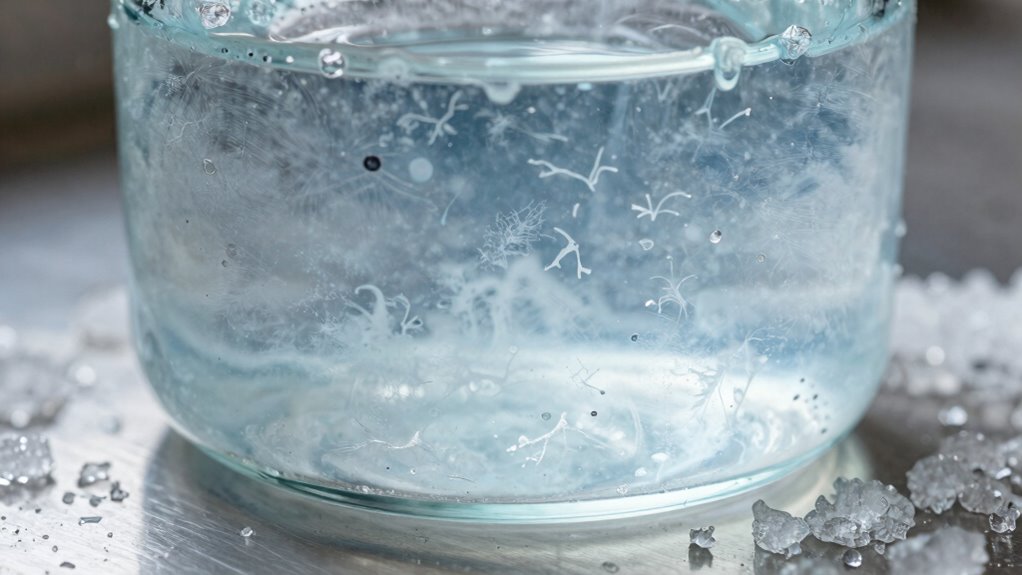
Even though cold storage slows microbial growth, it doesn’t stop it entirely, which means food can still become unsafe if left out too long. In cold climates, microbial diversity can thrive at low temperatures, making some bacteria resilient in refrigerated environments. Pathogens like Listeria and certain spoilage microbes can grow slowly but steadily, risking food safety. If you neglect proper storage, these microbes can multiply enough to cause illness or spoilage. Cold temperatures inhibit many bacteria but don’t eliminate all risks. Some microbes form hardy spores or adapt to cold, making it essential to monitor food storage times carefully. Understanding that microbial activity persists even in cold conditions helps you prevent foodborne illnesses and extend shelf life effectively.
How Can We Detect and Monitor Microbes in Cold Water?
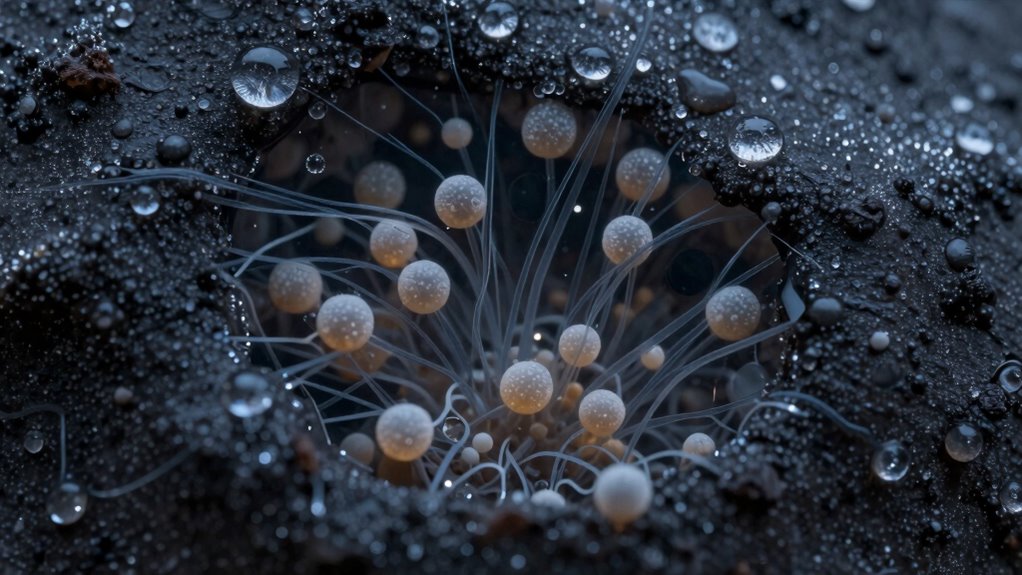
Detecting and monitoring microbes in cold water involves specialized techniques that can identify even low levels of microbial activity. Water temperature plays a vital role, as it affects microbial growth and detection sensitivity. Microbial detection methods include culture-based techniques, which grow microbes in labs, and molecular methods like PCR that identify genetic material directly from water samples. These techniques enable you to detect bacteria, viruses, and other microbes despite their low abundance in cold water. Regular monitoring helps guarantee water safety and quality, especially in systems where low temperatures might conceal microbial presence. By using advanced microbial detection tools tailored for cold environments, you can accurately assess microbial levels and respond promptly to contamination risks, protecting public health and maintaining water system integrity.
How Can You Prevent Microbial Growth in Cold Water Systems?
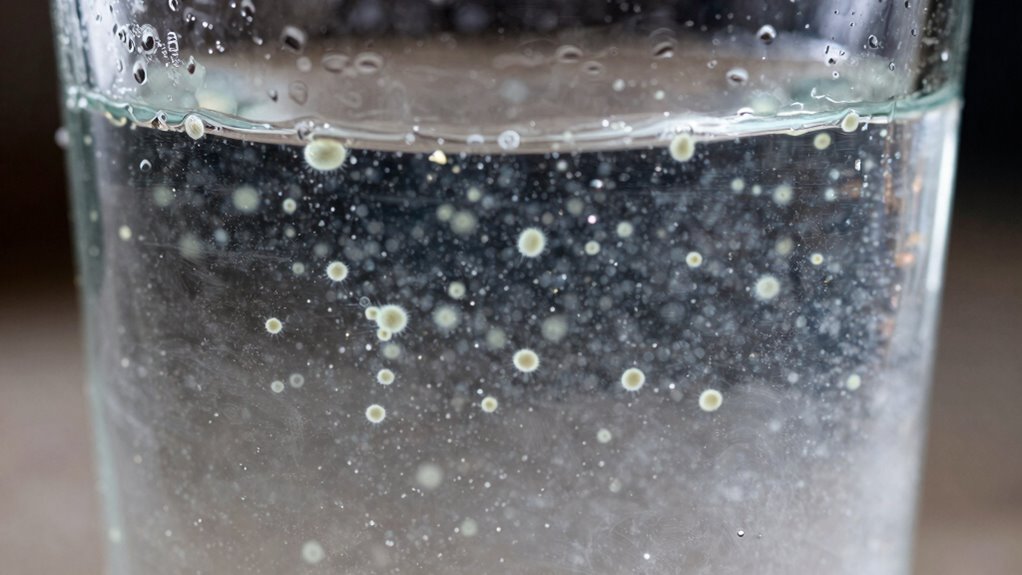
You can prevent microbial growth in cold water systems by regularly flushing the system to remove stagnant water. Using biocides can also help control and eliminate microbes that may develop. Combining these methods keeps your system safer and reduces the risk of microbial contamination.
Regular System Flushing
Regular system flushing is essential for preventing microbial growth in cold water systems because stagnant water provides an ideal environment for bacteria and other microbes to thrive. By regularly flushing, you reduce water age, limiting opportunities for microbes to adapt to low temperatures. To optimize your system:
- Schedule flushes at least quarterly to maintain fresh water flow.
- Ensure water temperature remains consistently cold, hindering microbial adaptation.
- Use high-velocity flushing to remove biofilms and sediment buildup.
- Inspect and clean outlets and pipes during each flush to prevent microbial reservoirs.
Consistent flushing keeps water moving, minimizes stagnation, and discourages microbial proliferation. It’s a simple yet effective way to maintain water quality and prevent microbes from thriving despite cold temperatures.
Use of Biocides
Even in cold water systems, microbial growth can be effectively controlled by using biocides. These chemical agents target and eliminate bacteria, preventing biofilm formation and reducing biocide resistance. Proper application disrupts microbial biofilms, which shelter microbes from other treatments. To optimize effectiveness, choose the right biocide based on system needs and monitor regularly.
| Biocide Type | Pros | Cons |
|---|---|---|
| Chlorine | Cost-effective, fast action | Corrosion risk, resistance over time |
| Bromine | Stable in cold water | More expensive, slower acting |
| Quaternary Ammonium Compounds | Broad spectrum | May promote resistance |
| Ozone | Powerful oxidizer | Complex delivery systems |
Using biocides strategically keeps your cold water system clean and minimizes microbial biofilms and resistance buildup.
Why Understanding Cold Water Microbial Growth Is Important for Health and Environment
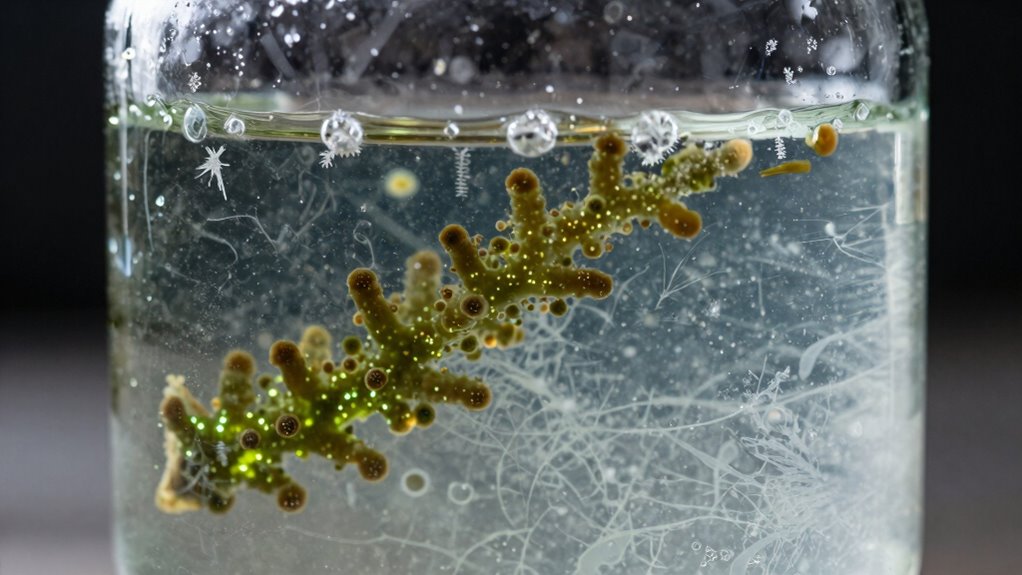
Understanding how microbes can grow in cold water is essential because it directly impacts both public health and environmental safety. Cold water microbiology reveals that microbes thrive even in low temperatures, posing risks if ignored. Here’s why it matters:
- Contaminated water sources can cause illness if you drink or use untreated cold water.
- Biofilms in cold environments protect microbes, making eradication difficult.
- Environmental impacts include the spread of resistant microbes affecting ecosystems.
- Monitoring microbial growth helps prevent outbreaks in cold water supplies and keeps ecosystems balanced.
Frequently Asked Questions
Can Microbes Survive Freezing Temperatures Without Water?
Yes, microbes can survive freezing temperatures without water through microbial dormancy. When conditions turn harsh, like freezing, they enter a dormant state, halting metabolic activity to survive until conditions improve. This freezing survival mechanism allows them to endure extreme cold, even without liquid water. Once thawed, these dormant microbes can reactivate and resume growth, demonstrating their remarkable resilience in cold environments.
How Fast Do Microbes Multiply in Cold Water?
Microbes can multiply surprisingly fast in cold water, often doubling every few hours depending on the species and conditions. In cold water dynamics, lower temperatures slow microbial multiplication but don’t stop it. You might see slow but steady growth, especially if nutrients are available. To prevent contamination, it’s essential to keep water chilled and monitor microbial levels regularly, as even cold environments can support microbial multiplication over time.
Are There Beneficial Microbes That Grow in Cold Environments?
Imagine nature’s quiet symphony, where cold-adapted microbes play essential roles. Yes, beneficial microbes thrive in cold environments, like psychrophilic bacteria that flourish in icy waters. These cold-loving microbes help break down organic material and support ecosystems in frozen worlds. You might not see them, but they’re quietly working, proving that even in the coldest places, life finds a way to flourish and nurture our planet.
What Equipment Detects Microbes in Low-Temperature Water?
You can use specialized equipment for microbial detection in low-temperature water, such as membrane filtration systems combined with incubation chambers designed for low-temperature analysis. These tools help you identify and quantify microbes effectively despite the cold conditions. Techniques like PCR and flow cytometry also assist in low-temperature analysis, providing rapid and accurate results. Investing in these instruments guarantees you accurately monitor microbial presence in cold water environments.
How Does Cold Water Microbial Growth Impact Water Treatment Processes?
You might not realize it, but cold water’s microbial resistance can complicate water treatment. Microbes form resilient water biofilms that protect them from disinfectants, making it harder to eliminate harmful bacteria. This persistence can lead to contamination if not properly managed, requiring enhanced filtration and monitoring. Vigilance guarantees your water remains safe, even when cold, by targeting these stubborn biofilms and preventing microbial growth that could compromise health.
Conclusion
So, while cold water might seem like a peaceful, untouched landscape, microbes can still quietly thrive beneath its calm surface. Understanding how these tiny organisms behave helps you keep your water safe and healthy, much like tending a delicate garden. By staying vigilant and informed, you can ensure that this tranquil environment remains a gentle refuge rather than an unexpected surprise. After all, awareness is the key to preserving nature’s quiet beauty and your well-being.