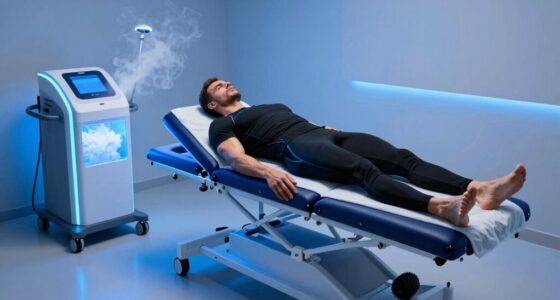


Soreness and recovery aren’t the same because soreness, or DOMS, shows up 1-2 days after exercise and comes from small muscle tears and inflammation. Recovery, on the other hand, is the process of repairing muscles, restoring energy, and preventing injury. While soreness indicates your muscles are adapting, recovery involves actively healing and preparing for future workouts. To learn how these processes impact your fitness and how to manage them effectively, keep exploring.
Key Takeaways
- Soreness (DOMS) is a temporary inflammation response, while recovery restores muscle strength and overall function.
- Soreness appears 1-2 days post-exercise, recovery involves ongoing healing processes.
- Soreness does not necessarily indicate muscle damage or fatigue; recovery is about healing and preparing for future activity.
- Managing soreness can involve gentle activity, but recovery may require rest and proper nutrition.
- Persistent soreness beyond a few days may signal injury, whereas recovery aims to prevent such issues.

Many people assume that feeling sore after a workout means they haven’t fully recovered, but soreness and recovery are actually two different things. Soreness, often called delayed onset muscle soreness (DOMS), typically appears a day or two after exercising and results from small muscle tears and inflammation. This discomfort doesn’t necessarily mean your muscles are still fatigued or that you’re risking injury. Instead, it’s a normal response to increased activity or new exercises. Recovery, on the other hand, involves restoring your muscles’ strength, energy stores, and overall function. It’s about giving your body the time it needs to heal and prepare for the next workout.
Soreness (DOMS) is normal after exercise; recovery involves restoring strength and function, not just muscle discomfort.
Understanding the difference is vital because feeling sore doesn’t always reflect your muscle’s readiness or safety. You might push through soreness out of habit or misconception, but that can sometimes lead to muscle fatigue if you don’t allow proper recovery. Muscle fatigue occurs when your muscles temporarily lose their ability to generate force, often caused by depletion of energy sources like glycogen or the buildup of waste products such as lactic acid. While some muscle fatigue is normal, ignoring it can increase your risk of injury. Overtraining or not allowing enough recovery time can lead to strains, sprains, or more serious injuries. Recognizing the signs of muscle fatigue and differentiating it from soreness is crucial for safe training.
To prevent injuries and optimize your progress, it’s important to distinguish soreness from fatigue and recovery. If you’re sore but not feeling overly tired or weak, gentle activity like walking or light stretching can promote blood flow and help reduce soreness. However, if you’re experiencing deep muscle fatigue—feeling drained, weak, or unable to perform basic movements—rest becomes essential. Pushing through that level of fatigue can cause compensatory movements and improper form, raising your injury risk. Additionally, understanding how muscle recovery works can help you tailor your training plan more effectively. Incorporating proper recovery strategies also supports overall muscle health and performance. Recognizing the role of rest and recovery in your training can significantly enhance your results and prevent setbacks.
Furthermore, listening to your body and paying attention to subtle cues can help you identify when you need to adjust your activity level. Incorporating proper recovery strategies helps prevent injury and guarantees you’re ready for future workouts. This includes adequate sleep, proper nutrition, hydration, and active recovery days. Listening to your body is key. If soreness persists longer than a few days or worsens, it may signal an injury rather than normal DOMS. Rest, combined with gentle movement and possibly professional advice, will help you recover safely. Remember, feeling sore is part of the adaptation process, but feeling overly fatigued or experiencing pain signals your body needs extra care. Prioritize recovery and listen to what your body tells you, so you can train smarter and stay injury-free.

TriggerPoint Grid 1.0 Foam Roller – 13" Multi-Density Massage Roller for Deep Tissue & Muscle Recovery – Relieves Tight, Sore Muscles & Kinks, Improves Mobility & Circulation – Targets Key Body Parts
- Enhances Muscle Recovery: Promotes tissue aeration and blood flow
- Comfortable Foam Construction: Designed with Distrodensity Zones for soreness
- Customizable Massage Feel: Varying ridges mimic therapist's hands
As an affiliate, we earn on qualifying purchases.
As an affiliate, we earn on qualifying purchases.
Frequently Asked Questions
Can Soreness Indicate a Successful Workout?
Soreness can indicate you’ve pushed your muscles, but it doesn’t necessarily mean your workout was successful. Nutrition impacts how well you recover and grow stronger, so fueling your body properly is essential. Additionally, mental resilience helps you stay consistent and motivated, regardless of soreness levels. Remember, feeling sore isn’t the only marker of progress; effective training balances effort, recovery, and mindset for the best results.
How Long Does Muscle Soreness Typically Last?
Muscle soreness typically lasts between 24 to 72 hours after your workout. To ease soreness, focus on post workout nutrition that replenishes lost nutrients and supports repair. Incorporate stretching techniques like gentle static stretches to improve flexibility and reduce tightness. Staying hydrated and getting enough rest also help speed recovery. Keep in mind, soreness isn’t the only indicator of a good workout, so listen to your body.
Is It Possible to Recover Without Feeling Sore?
Like a seasoned hero in a myth, you can recover without feeling sore. Focusing on good nutrition habits and maintaining mental resilience helps your muscles heal faster and reduces soreness. Proper hydration, balanced meals, and enough sleep support your recovery process. By listening to your body and staying consistent, you can bounce back quickly, even without the typical post-workout soreness, proving that recovery is more about smart habits than immediate discomfort.
What Are the Signs of Overtraining Versus Soreness?
You can tell overtraining from soreness by noticing persistent muscle fatigue and signs of hormonal imbalance, like irritability or sleep issues. Soreness usually peaks within 24-48 hours and subsides with rest, but overtraining causes prolonged fatigue, decreased performance, and may lead to injury. If your symptoms don’t improve with rest, it’s a sign you might need to scale back and give your body time to recover properly.
Does Soreness Mean I’M Building Muscle?
Soreness doesn’t necessarily mean you’re building muscle; it often indicates muscle fatigue from your workout. While some soreness can be a sign of progress, it’s not a direct measure of muscle growth. To support muscle development, make sure you get proper nutritional support, including protein and carbs, which help repair muscles. Focus on consistent training and recovery, and remember that building muscle takes time, not just soreness.
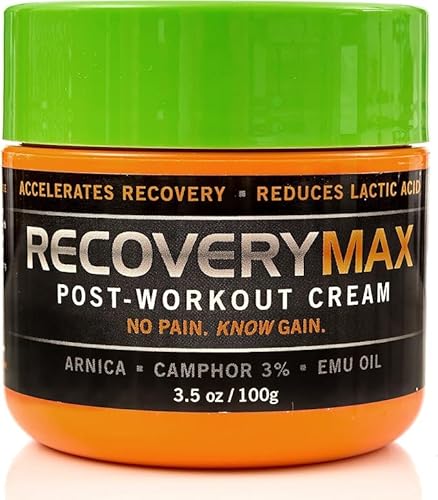
MaxRelief RecoveryMax – Post Workout Cream – for Use in Fitness Workout Program to Speed Muscle Recovery – Reduce Muscle Soreness – Return to Exercise Quicker –Recovery Supplement – 3.5 oz
- Immediate Muscle Pain Relief: Alleviates post-workout soreness quickly
- Speeds Up Recovery Time: Enhances muscle recovery after exercise
- Fights Free Radicals: Reduces delayed onset muscle soreness
As an affiliate, we earn on qualifying purchases.
As an affiliate, we earn on qualifying purchases.
Conclusion
Remember, soreness is like the flickering flame of a workout’s aftermath—pain that warns you’ve pushed your limits. Recovery, on the other hand, is the gentle rain that soothes and replenishes your muscles, helping you grow stronger. Just as a garden needs both sun and rain, your body needs both discomfort and care. Embrace the balance, and watch your strength blossom like a vibrant, resilient flower after a nourishing storm.
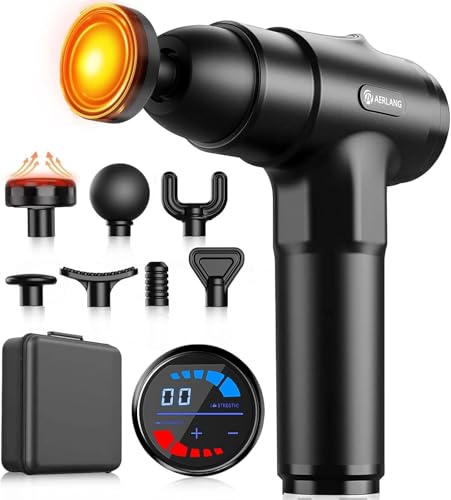
Massage Gun with Heat Massager Deep Tissue Muscle Massager Gifts for Men
- Heated Massage Head: Includes professional heated massage head with switch
- Multiple Massage Heads: Six interchangeable massage heads for different muscle groups
- LCD Display: Real-time pressure display with easy control
As an affiliate, we earn on qualifying purchases.
As an affiliate, we earn on qualifying purchases.

Resistance Bands for Working Out, Physical Therapy, Exercise, Pilates, Yoga
- Multiple Resistance Levels: Five color-coded resistance levels
- Versatile Exercise Use: Suitable for workout, therapy, Pilates, yoga
- High-Quality Material: Made of durable, latex-free TPE material
As an affiliate, we earn on qualifying purchases.
As an affiliate, we earn on qualifying purchases.