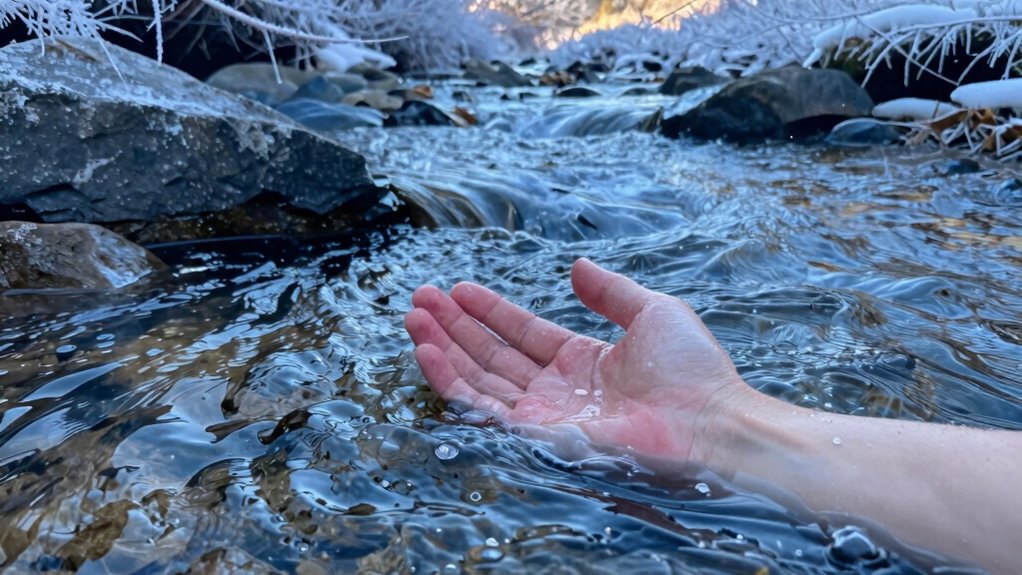

Getting used to cold water usually takes several weeks of consistent exposure. Your body gradually adapts by constricting blood vessels more efficiently and increasing internal heat production. Expect to notice improvements after just a few sessions, but full tolerance may take a month or more. The more regularly you expose yourself, the faster you’ll adapt. Stick with it, and you’ll find your discomfort decreases markedly over time—if you keep going, you’ll discover even more.
Play games included with Prime
Start a Prime free trial and play with Amazon Luna on your devices.
As an affiliate, we earn on qualifying purchases.
Key Takeaways
- Significant adaptation typically occurs after several weeks of consistent cold water exposure.
- Initial discomfort decreases within a few sessions, but full tolerance may take a month or more.
- Younger individuals and those with higher body fat tend to adapt faster.
- Regular practice and patience are necessary for meaningful physiological and psychological adjustment.
- Full adaptation involves improved circulation, reduced shock response, and increased resilience over time.
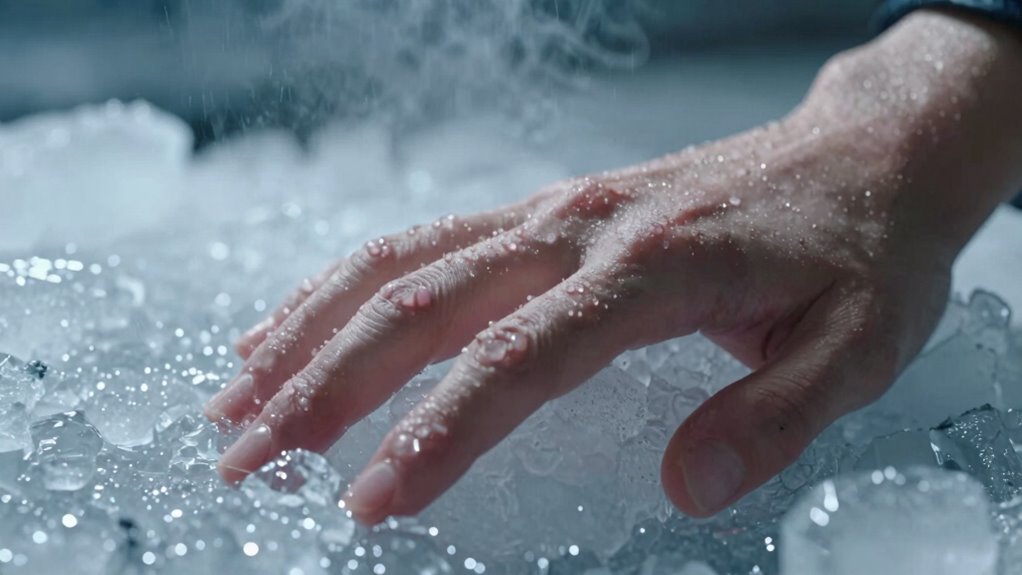
Adjusting to cold water can be challenging at first, but your body can adapt over time. When you plunge into chilly water, your immediate reaction is often discomfort, and your body responds with shivering and increased heart rate. However, with consistent exposure, your body begins a process called thermal adaptation, which gradually lowers your discomfort threshold. Fundamentally, your nervous system learns to tolerate the cold better, and over days or weeks, the initial shock diminishes. This process is what allows many cold water enthusiasts to stay submerged longer and feel less distressed during their dips.
Your body’s thermal adaptation involves complex physiological changes. As you expose yourself repeatedly to cold water, blood vessels in your skin constrict more efficiently, reducing heat loss. Your body’s metabolic rate might increase slightly, generating more internal heat to counteract the cold. Over time, these adjustments help you feel less discomfort at the same water temperature. The discomfort threshold shifts, meaning what once felt unbearable becomes manageable or even pleasant. This isn’t an overnight process; it typically takes several sessions spread across weeks to notice significant changes. The key is consistency—regular exposure trains your nervous and circulatory systems to handle cold better.
While some people might expect rapid adaptation, the reality is that everyone’s timeline varies. Factors like age, body fat percentage, and previous exposure influence how quickly you adjust. Younger individuals or those with higher body fat often experience quicker adaptation because they have better insulation against the cold. But regardless of your starting point, patience is essential. You might notice initial improvements after just a few sessions, but reaching a point where cold water no longer triggers intense discomfort could take a month or more of regular practice. Thermal adaptation is a gradual process that depends on consistent exposure. Additionally, proper hydration can support your body’s ability to adapt and recover during this process. Staying well-hydrated helps maintain circulation and aids in the body’s overall response to cold exposure.
Understanding your body’s response can also help you develop a safe approach to cold water exposure, minimizing risks and maximizing benefits. It’s important to listen to your body during this process. Don’t push yourself into discomfort beyond your limits. As your discomfort threshold shifts, you’ll find you can stay in cold water longer without feeling overwhelmed. This gradual increase in tolerance is the essence of thermal adaptation. Over time, what once caused panic or pain becomes just a mild sensation. So, with persistence, your body adapts, and cold water becomes less intimidating, opening the door to benefits like increased resilience and improved circulation. Remember, patience and consistency are your best allies in transforming your cold water experience. Recognizing the body’s ability to adapt can motivate you to stay committed and consistent in your practice.
As an affiliate, we earn on qualifying purchases.
Frequently Asked Questions
Does Age Affect Adaptability to Cold Water?
Age does affect your adaptability to cold water due to thermal sensitivity and age-related decline. As you get older, your body’s ability to regulate temperature decreases, making cold water feel more intense and uncomfortable. Younger individuals typically adapt faster because their circulation and thermal regulation are more efficient. However, with gradual exposure and proper precautions, people of all ages can improve their tolerance, though it might take longer the older you are.
Can Mental Attitude Speed up Acclimatization?
Like a hero in an epic, your mental resilience can speed up cold water acclimatization. By embracing a mindset shift, you train your brain to see cold as a challenge rather than a threat. This positive outlook helps you stay calm and focused, reducing the shock. With practice, your mental attitude becomes a powerful tool, enabling you to adapt faster and enjoy the benefits of cold exposure more readily.
Are There Health Risks in Quick Cold Water Exposure?
You might face health risks like thermal shock and an intense cardiovascular response if you expose yourself to cold water too quickly. Your body can react with rapid heart rate, blood pressure spikes, or even fainting. To stay safe, you should gradually acclimate, listen to your body, and avoid sudden immersions. This approach minimizes risks and helps your body adapt more comfortably to cold conditions.
How Does Cold Water Training Compare to Gradual Exposure?
Cold water training often involves gradual exposure, allowing your body to adapt slowly, reducing the risk of thermal shock and cold shock responses. This method helps you build tolerance safely, minimizing sudden stress on your cardiovascular system. In contrast, jumping straight into cold water can trigger intense thermal shock, leading to rapid breathing or panic. Gradual exposure offers a controlled way to acclimate, making the experience safer and more sustainable over time.
Does Prior Swimming Experience Influence Adaptation Time?
Your prior swimming experience can speed up your adaptation to cold water, but it’s not a guarantee. While seasoned swimmers might better manage the cold shock and immersion response initially, everyone still faces a learning curve. Cold shock triggers rapid breathing and increased heart rate, so your familiarity with water helps, but you still need time to build tolerance and develop controlled breathing to minimize discomfort and improve your cold water resilience.
As an affiliate, we earn on qualifying purchases.
Conclusion
Getting used to cold water varies, but many people start feeling more comfortable after just a few weeks of consistent exposure. Interestingly, studies show that it can take as little as 11 days for your body to adapt to cold water, improving circulation and reducing discomfort. So, if you’re committed, you might be surprised how quickly your body adjusts. Stick with it, and soon cold water could become a invigorating part of your routine rather than a shock.
As an affiliate, we earn on qualifying purchases.
As an affiliate, we earn on qualifying purchases.
Fall yard work Picks
leaf blowers
As an affiliate, we earn on qualifying purchases.