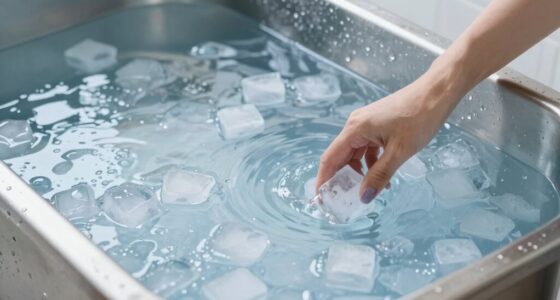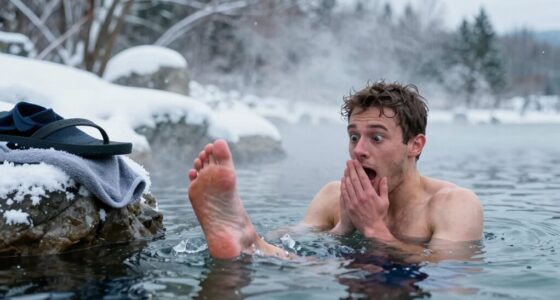

You can definitely cold plunge too cold, and it’s not about achieving the lowest temperature possible. Exposing yourself to water that’s extremely cold can trigger dangerous responses like shock, hypothermia, and increased heart rate. Instead of pushing for icy extremes, focus on safe, manageable temperatures that activate circulation and aid recovery. If you want to understand how to avoid risks and get the most benefits, keep exploring the facts behind cold plunge safety.

Get home appliances delivered free with Prime
- Fast, free delivery on millions of items
- Prime Video, Amazon Music and more included
- Member-only deals all year
Key Takeaways
- Cold plunges can be unsafe if water is too cold, risking shock or hypothermia.
- Optimal temperatures vary; starting with manageable cold and gradually decreasing is safest.
- More extreme cold does not necessarily mean better benefits and can increase health risks.
- Listening to your body signals and respecting personal limits is essential for safe cold plunging.
- Always monitor water temperature accurately and consult a healthcare professional before beginning.
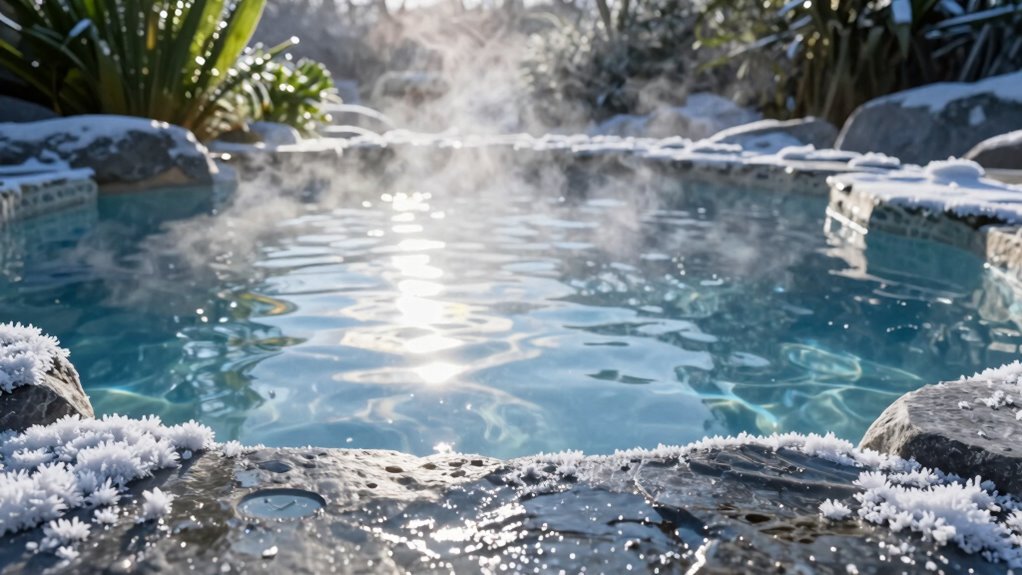
Many people believe that you need to plunge into icy water at extremely low temperatures to gain health benefits, but this is a common myth. The truth is, you don’t have to go as cold as you think to enjoy the advantages of cold plunges. Temperature regulation is key here; your body’s ability to adapt and respond to different water temperatures varies from person to person. Overly cold water can lead to discomfort, or worse, health risks if safety considerations aren’t taken seriously. It’s essential to understand your own limits and avoid the misconception that colder is always better. The idea that the colder the water, the greater the benefits is misleading and can be dangerous.
When you plunge into water that’s too cold, your body reacts by constricting blood vessels and increasing your heart rate. While this response can have some benefits, pushing it too far can cause shock, hypothermia, or other adverse effects. That’s why paying attention to safety considerations is crucial. You should always start with water temperatures that feel manageable and gradually work your way down if you want to experience colder temperatures. Never force yourself into water that causes immediate discomfort or pain. Instead, listen to your body’s signals and respect your limits. Remember, even a modestly cold plunge can activate your circulation and promote recovery without risking your health.
Additionally, understanding temperature regulation is vital for safe and effective cold plunging, helping you avoid unnecessary risks. It’s also important to consider the environment and equipment you’re using. Ensure the water temperature is monitored with a reliable thermometer, especially if you’re maintaining a specific temperature for regular practice. Keep in mind that sudden drops in temperature can be unsafe, particularly if you have underlying health conditions or cardiovascular issues. Consulting with a healthcare professional before starting cold plunges is always a wise step, especially if you’re unsure about your safety or how your body might respond.
As an affiliate, we earn on qualifying purchases.
Frequently Asked Questions
How Long Should I Stay in a Cold Plunge?
You should stay in a cold plunge for about 5 to 10 minutes, depending on your comfort and experience level. Focus on temperature regulation and listen to your body—if you start feeling numb or dizzy, exit immediately. Immersion duration varies, but don’t push beyond 15 minutes to avoid hypothermia. Start with shorter sessions, and gradually increase as your tolerance improves. Always prioritize safety and personal limits.
Are There Health Risks to Extremely Cold Water?
Imagine you’re stepping into a scene from a film, but beware—extremely cold water can pose health risks. You could risk hypothermia if you stay in too long or if the water’s temperature drops too low. It might also cause skin damage or frostbite. Always listen to your body, limit your time, and avoid plunging into water that’s dangerously cold to stay safe and healthy.
Can Cold Plunges Help With Mental Health?
Cold plunges can boost your mental health by enhancing mindfulness benefits, helping you stay present and focused. They also promote emotional resilience by challenging your mind to adapt to discomfort. Regular cold exposure can reduce stress and improve mood, giving you a sense of achievement. By incorporating cold plunges into your routine, you strengthen your mental fortitude and develop healthier emotional responses, making you more resilient to everyday stressors.
What Is the Ideal Cold Plunge Temperature?
The ideal cold plunge temperature is typically between 50°F and 59°F (10°C to 15°C). You should focus on temperature regulation and listen to your body, starting gradually. Water conductivity affects how quickly your body reacts to the cold, so make certain the water isn’t too conductive, which can cause discomfort or shock. Always prioritize safety, and don’t push beyond your comfort level to avoid adverse effects.
How Often Should I Cold Plunge for Benefits?
You should cold plunge 2 to 3 times a week to maximize benefits without risking cold water insulation issues. This frequency allows your body to recover and adapt, debunking the myth that daily plunges are necessary or beneficial. Consistency is key, but overdoing it can lead to negative effects. Stick to this schedule, listen to your body, and enjoy the immune boost and mental clarity cold water immersion offers.
As an affiliate, we earn on qualifying purchases.
Conclusion
Don’t let the fear of plunging into icy waters hold you back. Imagine yourself stepping into a crisp, invigorating pool that awakens every nerve, leaving behind the myth that it’s too cold. Embrace the chill as a revitalizing wave, not a danger. When you stop repeating the myth, you’ll discover the invigorating truth: cold plunges are about balance, not excess. Immerse yourself with confidence, and let the cold awaken your senses.
As an affiliate, we earn on qualifying purchases.
temperature regulated cold plunge
As an affiliate, we earn on qualifying purchases.
As an affiliate, we earn on qualifying purchases.
Halloween Picks
halloween
As an affiliate, we earn on qualifying purchases.