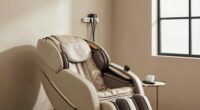
To create a quiet recovery room, focus on soundproofing with thick curtains, rugs, and acoustic panels to block external noise. Use soft, warm lighting and avoid bright overhead lights, while adding calming scents like lavender or chamomile with diffusers. Incorporate soothing sounds at low volume and choose noise-reducing furnishings. Keep the space clutter-free and encourage calming activities. For more tips on designing a peaceful, noise-free environment, keep exploring this guide.

Get home appliances delivered free — and shop member deals
- Fast, free delivery on millions of items
- Access to Prime Big Deal Days deals on October 6–7
- Prime Video, Amazon Music and more included
Key Takeaways
- Use sound-absorbing materials like thick curtains, rugs, and acoustic panels to minimize noise and echo.
- Play soft, calming sounds or nature noises at low volume for soothing background ambiance.
- Implement dim, warm, and adjustable lighting to create a cozy, restful environment.
- Incorporate aromatherapy with gentle scents like lavender or chamomile for added relaxation.
- Keep the space clutter-free and organized to promote mental calm and reduce visual noise.

If you’re aiming to create a recovery room that’s peaceful and quiet, understanding how to minimize noise is essential. The first step is to design a space that promotes tranquility, and that often involves carefully selecting the right elements to foster calmness. Incorporating music therapy can be a powerful tool—playing soft, soothing tunes can help drown out disruptive sounds and create a serene atmosphere. Opt for gentle melodies, ambient soundscapes, or nature sounds that promote relaxation without overwhelming the senses. Keep the volume low and use high-quality speakers or headphones to guarantee clarity and minimize any additional noise.
Playing soft melodies and nature sounds at low volume creates a calming, noise-free recovery environment.
Aromatherapy relaxation also plays a significant role in maintaining a peaceful environment. Scents like lavender, chamomile, or eucalyptus are known for their calming effects and can help reduce stress and anxiety. Use essential oils in diffusers or add a few drops to a cotton ball placed nearby to create a subtle, continuous aroma. Be cautious not to overdo it; strong scents can sometimes become disruptive or cause discomfort. The goal is to establish a gentle, inviting atmosphere that encourages rest and recovery.
In addition to sensory elements, consider the physical setup of your recovery room. Use sound-absorbing materials such as thick curtains, plush rugs, and upholstered furniture to dampen noise from outside or within the space. Installing soft, acoustic wall panels can further reduce echo and prevent sound from bouncing around, making the environment even more hushed. Keep the room’s layout simple and free of clutter, as clutter can contribute to visual noise, which can disrupt mental calmness. Soundproofing techniques are also effective in creating a truly quiet environment. Incorporating soundproofing materials can significantly enhance the room’s tranquility by blocking external noises more effectively.
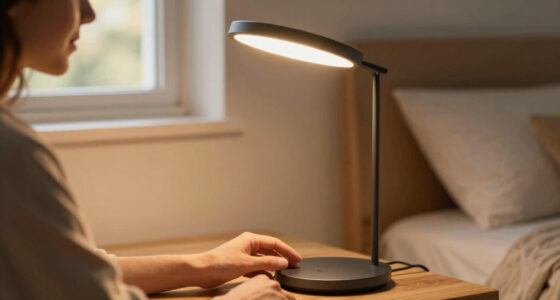
Lighting also influences the room’s peacefulness. Opt for dim, warm lighting or adjustable lamps that allow you to control brightness. Harsh overhead lights can interfere with relaxation, so soft, indirect lighting helps create a cozy, restful ambiance. Remember to keep electronic devices to a minimum or use soundproof cases if they are necessary; notifications and alerts can easily break the quiet mood you’re trying to establish.
Finally, emphasize a routine that maintains the tranquility of the space. Encourage quiet, mindful activities like gentle breathing exercises or meditation to reinforce a calm environment. By combining thoughtful sensory elements like music therapy and aromatherapy relaxation, along with mindful physical setup, you can craft a recovery room that’s truly peaceful—an oasis of silence tailored for restful recovery.
soundproof acoustic panels for room
As an affiliate, we earn on qualifying purchases.
As an affiliate, we earn on qualifying purchases.
Frequently Asked Questions
How Can I Soundproof My Recovery Room Effectively?
To soundproof your recovery room effectively, start by installing soundproof curtains to block out external noise. Use thick, heavy curtains that absorb sound. Complement this with noise-canceling headphones for added quiet during rest. Seal gaps around doors and windows with weather stripping or door sweeps. Consider adding acoustic panels or foam to walls for further sound absorption. These steps create a peaceful environment, ideal for restful recovery.
What Materials Are Best for a Quiet Recovery Space?
You should choose soft materials like thick decorative curtains to absorb sound and add visual comfort. Pair these with soft lighting to create a calming atmosphere. Use soundproof panels or foam behind walls for extra noise reduction. Incorporate plush rugs and upholstered furniture to further dampen noise. These materials work together to make your recovery space peaceful, helping you relax without loud disruptions.
How Do I Prevent Noise From Medical Equipment?
Imagine silencing a symphony of medical noise and equipment vibrations. To prevent noise, place equipment on soft mats or anti-vibration pads, absorbing vibrations and reducing sound transmission. Use soundproof curtains or acoustic panels around essential devices, dampening noise. Regularly maintain and calibrate equipment to minimize loud operation. By creating physical barriers and dampening vibrations, you’ll keep your recovery space peaceful and quiet, free from disruptive noises.
Are There Specific Furniture Tips for Noise Reduction?
You can reduce noise by carefully planning furniture placement, positioning beds and chairs away from noisy equipment. Incorporate soft furnishings like upholstered chairs, rugs, and curtains to absorb sound and create a quieter environment. Avoid hard surfaces that reflect noise, and choose furniture with plush or padded elements. These strategies help minimize sound transmission, making the recovery room more peaceful and comfortable for patients who prefer a quieter space.
How to Create a Calming Atmosphere in a Quiet Recovery Room?
To create a calming atmosphere, start by playing gentle background music that soothes without overwhelming. Incorporate aromatherapy options like lavender or chamomile to promote relaxation. Use soft lighting and comfortable furniture to enhance tranquility. Keep noise levels low, and guarantee the environment feels warm and welcoming. These elements work together to help patients feel at ease, making recovery more comfortable and peaceful.
essential oil diffuser lavender chamomile
As an affiliate, we earn on qualifying purchases.
As an affiliate, we earn on qualifying purchases.
Conclusion
Remember, a peaceful recovery space is like a gentle stream—calm, steady, and soothing. By following this quiet setup guide, you create a sanctuary that supports your healing without added noise or stress. Keep things simple, soft, and serene, and let your recovery flow smoothly like water over stones. When you prioritize quiet, you turn your space into a haven where rest comes naturally, reminding you that sometimes, less truly is more for your peace of mind.
As an affiliate, we earn on qualifying purchases.
noise reducing curtains for bedroom
As an affiliate, we earn on qualifying purchases.
As an affiliate, we earn on qualifying purchases.
Fall Picks
fall essentials
As an affiliate, we earn on qualifying purchases.