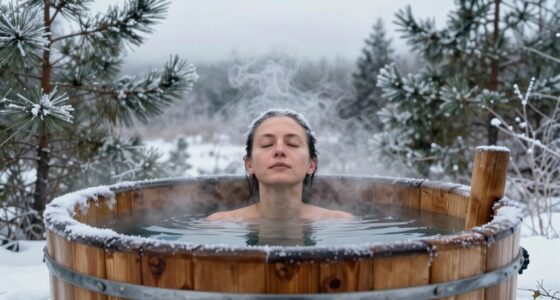


To make your cold plunge routines more effective and sustainable, avoid copying extreme protocols. Pushing yourself too hard can create mental barriers, cause overexertion, and undermine your progress. Instead, focus on gentle, consistent exposure that gradually builds your tolerance and resilience. Listening to your body helps prevent burnout and keeps you motivated. By adopting a balanced approach, you’ll see longer-lasting mental and physical benefits. Keep exploring to discover how these strategies can transform your routine.

Get home appliances delivered free with Prime
- Fast, free delivery on millions of items
- Prime Video, Amazon Music and more included
- Member-only deals all year
Key Takeaways
- Gentle, consistent exposure fosters sustainable mental and physical benefits, avoiding overwhelm and panic.
- Building tolerance gradually enhances adaptation and long-term resilience.
- Avoiding extreme protocols reduces mental barriers and increases routine adherence.
- Respecting personal limits prevents overexertion and burnout, supporting routine sustainability.
- Steady progress through manageable sessions leads to better recovery and lasting wellness.
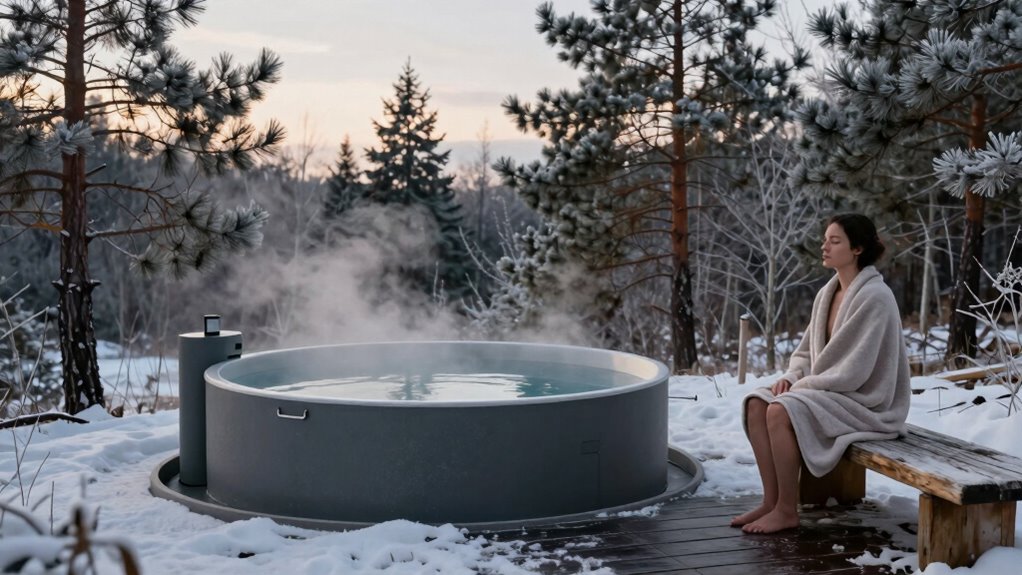
When you stop copying extreme protocols, you give your mind and body space to adjust without stress. Extreme routines can create a mental barrier, making cold plunges feel overwhelming or intimidating. That mental block can diminish the mental benefits you’re after, like increased focus, reduced anxiety, and improved mood. Gentle, consistent exposure tends to produce more noticeable and sustained mental benefits because your brain learns to associate cold plunges with calmness and resilience, rather than panic or discomfort. Recovery strategies become more effective when your routine is sustainable; instead of risking setbacks from overexertion, you build a habit that your body can handle day after day.
By dialing back the intensity, you also improve recovery. Artificially extreme exposure might cause unnecessary strain, counteracting the recovery benefits you seek. Instead of pushing yourself to the limit, aim for a routine that challenges you just enough to stimulate blood flow and reduce inflammation. Keep your cold plunge sessions short and manageable, especially at first, and gradually increase duration or coldness as your body adapts. This approach helps you avoid the negative mental effects of feeling overwhelmed and keeps your recovery strategies aligned with your capacity for sustained progress. Understanding the mental barriers surrounding cold exposure can also help you develop a more positive and approachable mindset towards your routine.
Additionally, understanding the importance of gradual adaptation can help you develop a more effective and sustainable routine. In essence, the key to maximizing the benefits of cold plunges is to avoid copying the latest extreme protocols. Your mental benefits and recovery strategies will improve when you adopt a balanced routine, one that respects your limits and promotes consistency. Remember, cold plunges are a tool for enhancement, not punishment. By listening to your body and gradually building up your tolerance, you’ll find that the mental clarity, resilience, and recovery advantages become more profound and more lasting over time. Instead of risking burnout or frustration, choose a steady, adaptable approach that keeps you motivated and engaged in your wellness journey.
As an affiliate, we earn on qualifying purchases.
Frequently Asked Questions
How Long Should I Stay in the Cold Plunge Initially?
You should start with 1 to 3 minutes in the cold plunge initially. This helps your body build cold tolerance gradually. During the acclimation process, avoid pushing too hard too fast, as it can be overwhelming. Listen to your body and increase your time slowly over several sessions. Consistency is key, and over time, you’ll notice your cold tolerance improves, making longer dips more comfortable and effective.
Can Cold Plunges Replace Other Recovery Methods?
Cold plunges can complement your recovery, but they shouldn’t replace other methods like stretching or rest. Ice bath benefits include reducing inflammation and muscle soreness, yet many Cold therapy myths suggest they’re a complete solution. Instead, use cold therapy as part of a balanced recovery plan. Listen to your body, gradually incorporate cold plunges, and avoid overdoing it, ensuring you get the full benefits without risking injury.
What Are the Risks of Extreme Cold Exposure?
Did you know that cold shock can cause rapid breathing and increased heart rate? When you expose yourself to extreme cold, you risk cold shock and frostbite, which can be dangerous. These risks are higher if you stay in ice-cold water too long or if you have underlying health issues. Always listen to your body, limit exposure, and avoid pushing beyond safe limits to prevent injury.
Is There an Ideal Time of Day for Cold Plunges?
You should time your cold plunges based on your goals: for morning optimization, take the plunge early to boost alertness and energy. In the evening, cold exposure can promote relaxation and improve sleep. Listen to your body and avoid extreme protocols. Consistency matters more than timing, so find a routine that fits your schedule and helps you feel refreshed or relaxed, depending on your desired outcome.
How Often Should I Incorporate Cold Plunges Into My Routine?
You should incorporate cold plunges into your routine 2-3 times a week to allow for gradual adaptation and avoid burnout. Focus on a mindset adjustment, embracing the discomfort as part of your growth. Starting slowly helps your body adjust, making the experience more sustainable and effective. Consistency is key—listen to your body and increase frequency only as you build tolerance, ensuring long-term benefits without unnecessary stress.
As an affiliate, we earn on qualifying purchases.
Conclusion
Instead of chasing extreme protocols, focus on creating a steady, sustainable cold plunge routine. Think of it like tending to a delicate garden—consistent care yields the best blooms. Small, manageable dips build resilience without overwhelming you. By embracing a balanced approach, you’ll find your body adapting more naturally, turning the cold from a formidable foe into a trusted ally. Remember, slow and steady wins the race, and your wellness journey flourishes with patience.
As an affiliate, we earn on qualifying purchases.
As an affiliate, we earn on qualifying purchases.
Halloween Picks
halloween
As an affiliate, we earn on qualifying purchases.