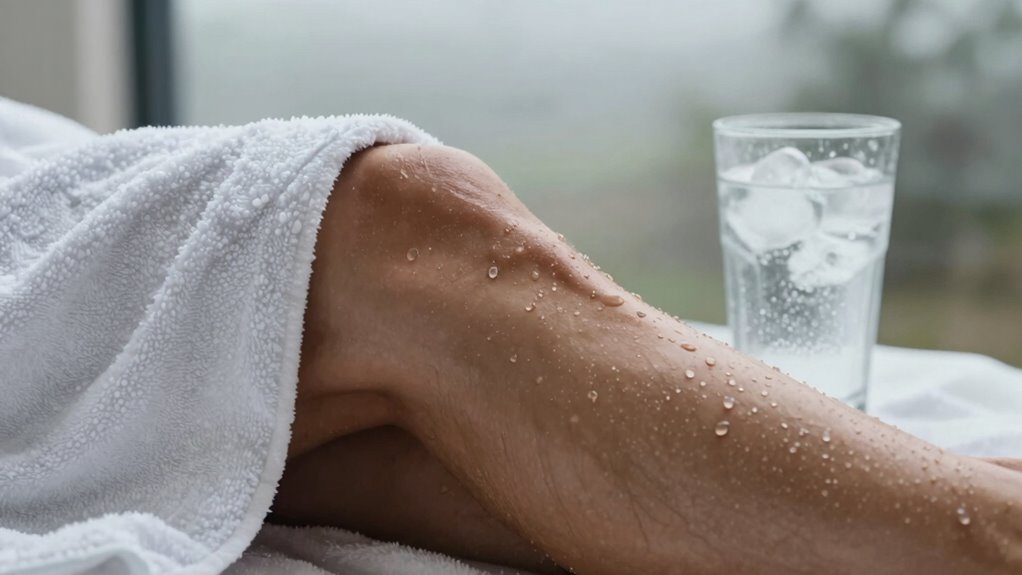
After your leg workout, think about applying cold exposure in a safe, controlled way to reduce inflammation, swelling, and soreness while supporting recovery. Use ice baths, cold showers, or cold packs on your thighs and calves for about 10-15 minutes, but avoid extremes that could harm your muscles. Make sure to hydrate and eat anti-inflammatory foods for the best results. Keep in mind proper timing and moderation, and you’ll discover more tips for optimizing your recovery.

Get home appliances delivered free with Prime
- Fast, free delivery on millions of items
- Prime Video, Amazon Music and more included
- Member-only deals all year
Key Takeaways
- Ensure cold exposure duration is around 10-15 minutes to promote recovery without impairing muscle regeneration.
- Keep water temperature cold but comfortable, avoiding extreme cold that can cause numbness or injury.
- Time cold therapy appropriately post-workout, ideally after initial muscle inflammation subsides.
- Combine cold exposure with hydration and proper nutrition for optimal muscle repair.
- Monitor your body’s response and stop if you experience excessive pain or numbness.
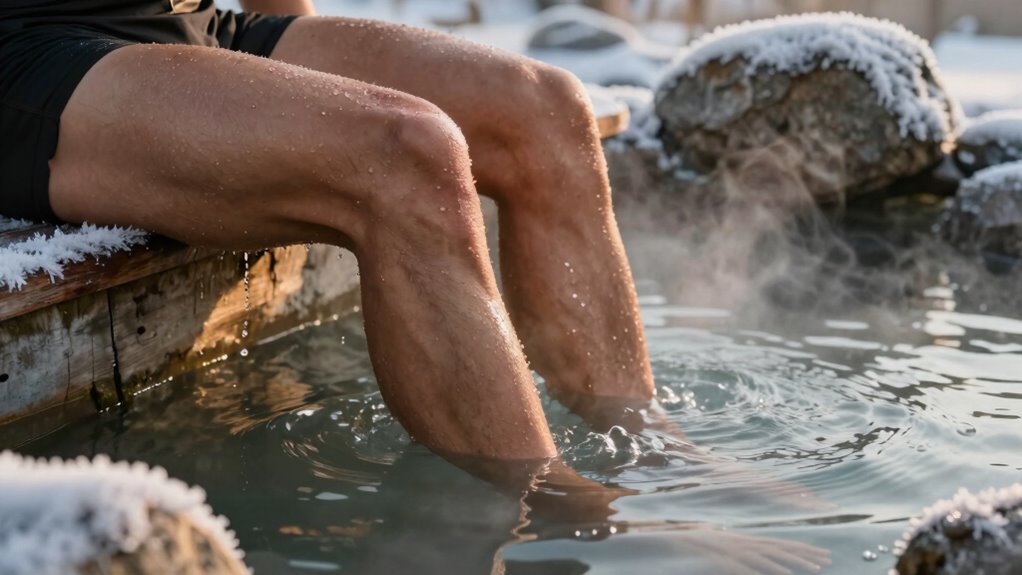
After an intense leg workout, exposing your muscles to cold can help reduce inflammation and speed up recovery. When your muscles are sore and swollen, cold exposure constricts blood vessels, which lowers tissue temperature and decreases swelling. This process not only alleviates discomfort but also supports muscle recovery by limiting the buildup of metabolic waste products like lactic acid. By reducing inflammation, cold exposure can get you back on your feet faster, ready for your next workout.
But it’s not just about feeling better immediately; cold exposure also influences your immune response. Intense exercise temporarily suppresses certain immune functions, leaving you more vulnerable to infections. Applying cold after leg day can help modulate this response, preventing excessive immune suppression. It encourages a balanced immune activity, which is crucial for repairing damaged tissues and preventing illness. This means you’re less likely to experience prolonged soreness or get sidelined by minor infections that could derail your training schedule.
Before jumping into cold exposure, consider the timing and method. A common approach is an ice bath or cold shower lasting about 10 to 15 minutes. The key is to keep the cold manageable—extreme cold can sometimes do more harm than good, especially if you’re not accustomed to it. Make sure the water temperature isn’t freezing but cold enough to induce vasoconstriction and reduce inflammation. If you prefer, applying ice packs directly to your thighs and calves can be effective, especially if you’re short on time or don’t want to submerge your whole body. Incorporating cold therapy into your recovery routine can further enhance its benefits. Using proper recovery techniques can optimize the healing process and prevent setbacks. Additionally, understanding how cold exposure impacts muscle tissues can help you tailor your recovery plan more effectively. Implementing proper recovery strategies, including cold exposure, can significantly influence your overall progress and performance.
It’s also important to pay attention to your body’s signals. While cold exposure can be beneficial, overdoing it might impair muscle regeneration or lead to discomfort. If you notice numbness, excessive pain, or other adverse effects, it’s best to stop and let your body recover naturally. Hydration and proper nutrition complement cold therapy by supporting muscle repair and immune function. Eating a balanced meal rich in protein and anti-inflammatory foods will further enhance your recovery process.
As an affiliate, we earn on qualifying purchases.
Frequently Asked Questions
Can Cold Exposure Cause Muscle Cramps After Leg Workouts?
Cold exposure can potentially cause muscle cramps after leg workouts. When you expose your muscles to cold, blood flow decreases, which might lead to cramps or stiffness. If you notice muscle cramps after cold exposure, it’s best to warm up your muscles gradually and stay hydrated. Listening to your body is key—if cramps persist, consider reducing cold exposure and giving your muscles time to recover properly.
How Long Should I Wait Before Cold Exposure Post-Leg Session?
You should wait at least 30 minutes after your leg workout before doing cold therapy. Studies show muscle relaxation and reduced soreness are most effective when cold exposure is timed properly. Immediate cold therapy can hinder muscle recovery, but waiting allows blood flow to normalize. Giving your muscles this time helps prevent cramps and promotes better recovery, making cold exposure more beneficial rather than disruptive.
Is Cold Exposure Safe for People With Circulation Issues?
If you have circulation concerns, cold exposure might not be the safest option. Cold therapy safety can be compromised if blood flow is already an issue, potentially worsening symptoms or causing discomfort. It’s best to consult your healthcare provider before trying cold exposure, especially after leg workouts. They can advise you on safe practices tailored to your circulation health, helping you avoid risks and enjoy the benefits safely.
Does Cold Exposure Impact Muscle Recovery Speed?
Cold exposure is like a double-edged sword for muscle recovery. It can reduce muscle inflammation quickly, which might help you feel less sore, but it also slows blood flow enhancement necessary for healing. While it may hasten initial relief, prolonged cold can delay overall recovery speed. So, if you choose cold exposure, do it wisely—short sessions may offer benefits without hindering your muscle recovery process.
Should I Avoid Cold Exposure if I Have Leg Injuries?
Yes, you should avoid cold exposure if you have leg injuries. Cold can increase muscle soreness and potentially worsen injury symptoms, delaying recovery. It might reduce inflammation temporarily but can also impair blood flow needed for healing. For injury prevention and faster recovery, prioritize rest, gentle stretching, and consult a healthcare professional before trying cold exposure again. Protect your injuries to guarantee proper healing and avoid setbacks.
cold packs for thigh and calf recovery
As an affiliate, we earn on qualifying purchases.
As an affiliate, we earn on qualifying purchases.
Conclusion
Remember, patience is a virtue, especially when it comes to recovery. Cold exposure after leg day can help reduce inflammation, but don’t rush into it if your muscles are too sore. Listen to your body and give yourself time to heal. Just like a good workout, recovery takes consistency and care. When you balance effort with rest, you’ll come back stronger—because sometimes, less is more and time is the best healer.
cold shower for post workout recovery
As an affiliate, we earn on qualifying purchases.
As an affiliate, we earn on qualifying purchases.
muscle recovery cold therapy kit
As an affiliate, we earn on qualifying purchases.
As an affiliate, we earn on qualifying purchases.
Halloween Picks
halloween
As an affiliate, we earn on qualifying purchases.