
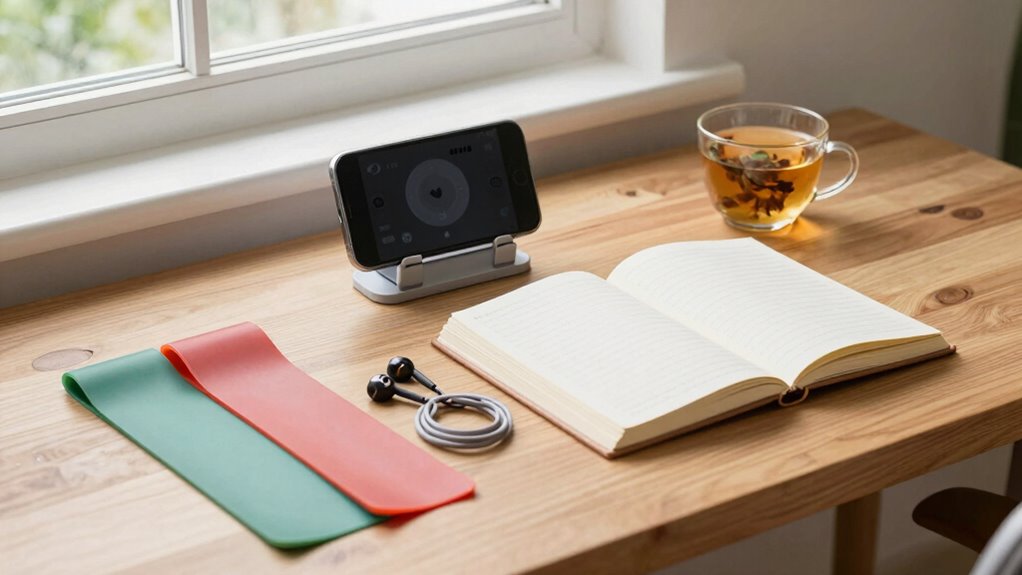

To prevent recovery tools from becoming stressors, focus on using them flexibly and thoughtfully. Pay attention to how these practices fit into your daily routine and be willing to pause or adjust when needed. Keep routines simple, aligned with what truly works for you, and avoid overloading yourself. Regularly reassess your needs and make changes accordingly. Staying adaptable and gentle with yourself can help maintain your well-being without added pressure—discover more ways to create resilient routines by exploring further.

Get home appliances delivered free with Prime
- Fast, free delivery on millions of items
- Prime Video, Amazon Music and more included
- Member-only deals all year
Key Takeaways
- Use recovery tools flexibly and tailor them to your current needs, avoiding rigid routines.
- Regularly evaluate and adjust practices to ensure they remain helpful and not overwhelming.
- Focus on a few meaningful tools rather than overloading with multiple methods at once.
- Incorporate activities that energize alongside calming practices for balanced well-being.
- Maintain a supportive environment that emphasizes sustainability, resilience, and personal empowerment.

Recovery tools are essential for managing stress and restoring your well-being after challenging moments. They help you reset, regain perspective, and build resilience against future stressors. However, it’s easy for these tools to become sources of additional stress if not used thoughtfully. To prevent that, you need to approach recovery with mindful maintenance and create balanced routines that support your mental health without overwhelming you.
Recovery tools support your well-being but require mindful use and balanced routines to avoid adding stress.
Start by recognizing that recovery tools are meant to serve you, not complicate your life. When you adopt mindful maintenance, you’re intentionally paying attention to how these tools fit into your daily routine. This means regularly checking in with yourself to see what’s working and what’s not, rather than sticking rigidly to methods that no longer serve your needs. For example, if meditation feels overwhelming on certain days, give yourself permission to pause or switch to a different activity. The goal is to keep your recovery practices flexible and tailored to your current state, rather than feeling pressured to stick to a strict schedule that may add stress.
Creating balanced routines is another crucial step. Instead of piling on multiple recovery tools at once, focus on a few that resonate with you and integrate them gradually into your day. Overloading yourself can turn recovery into another burden, especially if you’re trying to do everything perfectly. Keep in mind that consistency is important, but so is gentle adaptability. For instance, if journaling helps you process emotions but feels demanding some days, allow yourself to do shorter sessions or skip it entirely without guilt. Balance also involves making time for activities that energize you, like physical movement or hobbies, alongside calming practices. When you maintain this balance, recovery becomes a sustainable part of your life, reducing the risk of burnout or frustration. Recognizing the importance of mindful routines can help you develop habits that truly support your well-being.
It’s equally important to avoid viewing recovery tools as fixed solutions. Your needs will change over time, so regularly reassess your routines. Be honest with yourself about which practices truly help and which might be adding unneeded pressure. Remember, the importance of biodiversity in creating a healthy environment can also extend to your personal well-being, emphasizing the need for adaptable and resilient routines. Incorporating flexible routines can help you stay resilient and prevent feeling overwhelmed by rigid expectations. When you approach your recovery tools with mindful maintenance and balanced routines, you create a supportive environment that nurtures rather than stresses you out. This mindset helps you stay resilient, ensuring that your recovery practices remain effective and empowering rather than becoming another source of stress. By doing so, you’re taking control of your mental health in a way that’s sustainable and genuinely beneficial, allowing you to navigate life’s challenges with greater ease.
As an affiliate, we earn on qualifying purchases.
Frequently Asked Questions
How Do I Choose the Right Recovery Tools for My Needs?
To choose the right recovery tools, start by evaluating your specific needs and preferences. Use personalization strategies to find tools that fit your lifestyle and comfort level. Consider your budget carefully, focusing on options that offer effective results without overspending. Research different tools, read reviews, and maybe try a few to see what works best for you. This approach helps prevent stress and makes your recovery process smoother and more sustainable.
Can Recovery Tools Become a Source of Frustration?
Recovery tools can become as frustrating as tangled headphones if you neglect tool maintenance. When tools aren’t well-maintained, they may break or underperform, adding stress instead of relief. To prevent this, schedule regular checks and upkeep, keeping your tools in top shape. By doing so, you reduce frustration and promote stress prevention, ensuring your recovery process remains smooth and effective, rather than another source of stress.
How Often Should I Update or Replace My Recovery Tools?
You should update or replace your recovery tools based on tool maintenance and equipment durability. Regularly inspect them for wear and tear, and follow the manufacturer’s guidelines for maintenance. If they become damaged, lose effectiveness, or show signs of significant wear, it’s time to replace them. Keeping your tools in good condition guarantees safety, reliability, and peak performance, preventing frustration and stress during your recovery process.
What Signs Indicate My Recovery Tools Are Causing Stress?
You’ll notice stress triggers like frustration, anxiety, or feeling overwhelmed when your recovery tools cause stress. Tool overload can make you feel bogged down, decreasing effectiveness and increasing tension. If using your tools feels like a chore or adds to your mental load, it’s a sign they’re causing more stress than relief. Pay attention to these signs, and consider simplifying or adjusting your tools to prevent them from becoming an additional stressor.
Are There Any Best Practices for Integrating Recovery Tools Smoothly?
Think of integrating recovery tools like assembling a puzzle—you want pieces that fit seamlessly. To do this, prioritize user experience and guarantee tool compatibility. Start small, introducing one tool at a time, and observe how it fits into your routine. Regularly assess how each tool impacts your stress levels. Clear communication with tool providers can also help tailor solutions, making recovery smoother rather than adding to your stress.
As an affiliate, we earn on qualifying purchases.
Conclusion
Remember, recovery tools are meant to lift you up, not weigh you down. Think of them as gentle anchors, steadying your ship amidst turbulent waters. By setting boundaries, staying flexible, and acknowledging your limits, you keep stress at bay. When used wisely, these tools become your allies, turning the storm into a manageable breeze. Embrace them with patience and care, and watch your recovery journey flow smoothly, like a calm stream finding its way to the sea.
As an affiliate, we earn on qualifying purchases.
As an affiliate, we earn on qualifying purchases.
Halloween Picks
halloween
As an affiliate, we earn on qualifying purchases.