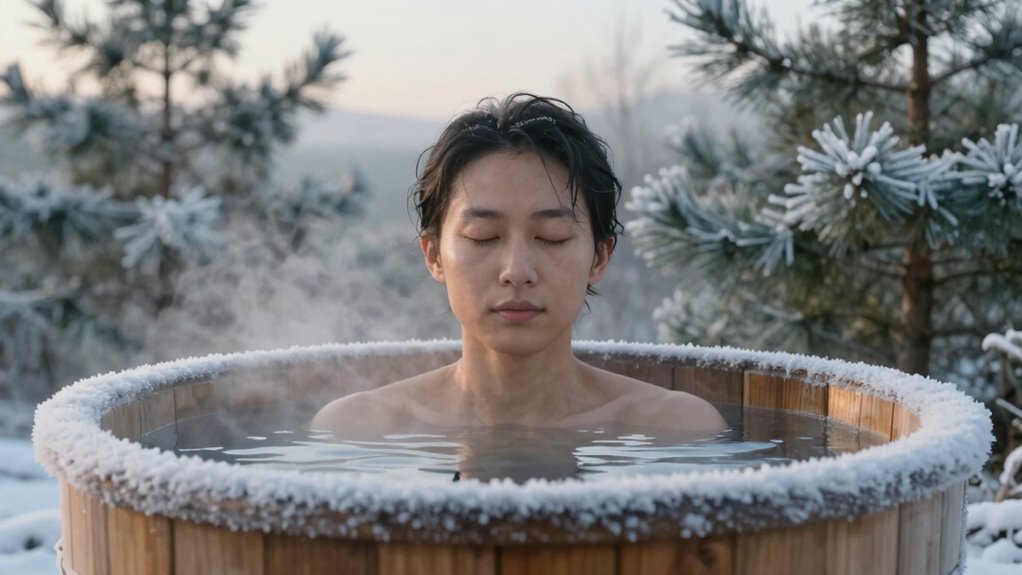

To turn cold exposure into a habit, start by viewing it as a routine and focus on building mental resilience through gradual practice. Begin with short durations and increase time slowly, creating a consistent schedule that fits your daily life. Recognize the physiological benefits and listen to your body to avoid overwhelm. By making it a regular part of your day, you’ll develop natural resilience and ease into the process—if you keep exploring, you’ll discover even more ways to make it sustainable.

Get home appliances delivered free with Prime
- Fast, free delivery on millions of items
- Prime Video, Amazon Music and more included
- Member-only deals all year
Key Takeaways
- View cold exposure as a routine, not a challenge, to foster a sustainable habit rather than relying on willpower.
- Start with short, manageable sessions and gradually increase duration to build confidence and consistency over time.
- Schedule cold exposure at the same time daily, creating a predictable routine that becomes automatic.
- Focus on the physiological and mental benefits to stay motivated beyond short-term discipline.
- Listen to your body, respecting limits, and celebrate small progress to reinforce long-term adherence.
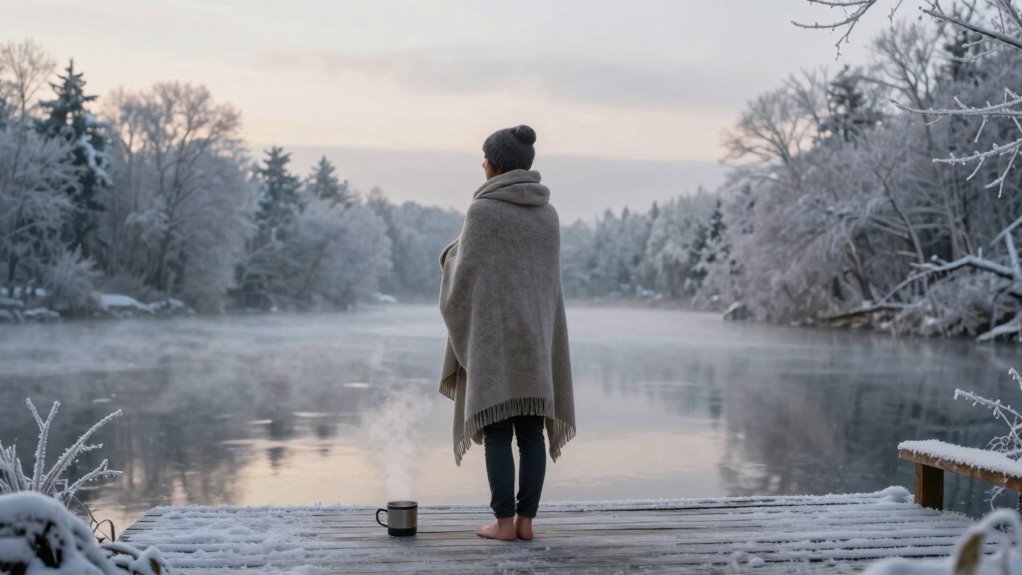
Starting a cold exposure habit can seem intimidating at first, but with the right approach, it becomes a manageable and rewarding routine. The key is shifting your mindset from viewing it as a test of willpower to understanding it as a sustainable practice that builds mental resilience. When you approach cold exposure as a regular habit, you allow your body and mind to adapt gradually, making the process less overwhelming and more effective. Consistency is crucial. Instead of forcing yourself into long, extreme cold sessions right away, start small—perhaps with a 30-second cold shower or a brief time in an ice bath. Over time, your body begins to develop physiological adaptation, making cold exposure feel more manageable and less stressful. This adaptation isn’t just physical; your mind also learns to stay calm and focused in uncomfortable situations, reinforcing your mental resilience. The more regularly you expose yourself to cold, the stronger your ability to handle stress becomes, both physically and mentally. Additionally, understanding the physiological benefits of cold exposure can motivate you to stay committed and make it a consistent part of your routine. Recognizing how your body responds to these adaptations can also help you stay motivated and committed over the long term. Developing an awareness of the body’s response to cold can deepen your understanding and support your progress.
To make cold exposure a habit rather than a test of will, plan it into your routine at a specific time each day. Whether it’s morning or evening, consistency helps your brain associate the activity with a sense of normalcy rather than a challenge. This way, you’re less likely to rely on motivation alone and more on routine. It’s also helpful to set clear, achievable goals for each session, such as duration or temperature, and gradually increase the challenge as you progress. By doing so, you create a sense of mastery that encourages your mind to stay committed without feeling overwhelmed. Remember, your body begins to adapt to cold exposure through physiological changes—improved circulation, increased brown fat, and better stress response. These changes make future sessions easier and more beneficial. Moreover, understanding the science behind cold exposure can deepen your appreciation and reinforce your dedication to the habit.
Most importantly, listen to your body and respect its limits. When you view cold exposure as a process of gradual adaptation rather than a battle to endure, it becomes less daunting and more empowering. Over time, you’ll notice how regularly practicing cold exposure sharpens your mental resilience and enhances your overall well-being. By making it a habit, you turn what initially feels uncomfortable into a natural part of your daily routine, helping you stay consistent and motivated without relying solely on willpower. In the end, the real reward isn’t just the cold itself, but how it transforms your capacity to face challenges with calm and confidence.
As an affiliate, we earn on qualifying purchases.
Frequently Asked Questions
Can Cold Exposure Improve Mental Health Long-Term?
Yes, cold exposure can improve your long-term mental health. It boosts mental resilience by challenging you to stay calm during discomfort, which translates to better emotional regulation over time. Regular cold exposure helps lower stress levels, enhances mood, and fosters a sense of achievement. Over time, these benefits build a stronger mind, making you more adaptable and resilient to daily stressors, ultimately supporting your overall mental well-being.
What Are the Risks of Excessive Cold Exposure?
Think of cold exposure like a daring adventure—if you rush in without caution, thermal shock can hit you hard, and the hypothermia risk rises. Too much exposure overwhelms your body’s defenses, leading to dangerous drops in core temperature. Overdoing it can cause frostbite or other health issues. So, always start slow, listen to your body, and avoid pushing beyond safe limits to keep your cold journey safe and beneficial.
How Does Cold Exposure Affect Sleep Quality?
Cold exposure can improve your sleep quality by enhancing thermal regulation, helping your body cool down faster at night. However, if you expose yourself to cold too close to bedtime, it might cause sleep disruption by making it harder to fall asleep or stay asleep. To maximize benefits, aim for moderate cold exposure earlier in the day, allowing your body time to adjust and maintain a comfortable core temperature for restful sleep.
Should Beginners Start With Ice Baths or Cold Showers?
Jump right in with cold showers before trying ice baths—they’re easier to start and still pack benefits like improved circulation and alertness. Cold shower techniques help you build tolerance gradually, making it less intimidating. Ice bath benefits are great, but they require more preparation and control. So, start small with cold showers, master the technique, and then consider ice baths when you’re comfortable and ready to take it up a notch.
How Often Should Cold Exposure Be Practiced for Consistency?
You should aim for cold exposure about three to four times a week to build consistency without overwhelming yourself. Incorporate it into your routine through frequency planning, making it a regular part of your day. By habit integration, choose fixed times, like mornings or post-work, so it becomes a natural habit. This steady approach helps you stay committed, turning cold exposure into a sustainable, beneficial part of your lifestyle.
As an affiliate, we earn on qualifying purchases.
Conclusion
Think of cold exposure not as a test of your willpower, but as a trusted ally on your journey. Like the steady drip of a faucet shapes stone, small, consistent acts carve resilience and discipline into your life. Embrace the chill as a daily ritual, transforming discomfort into strength. Remember, even the mightiest oak grows slowly, one cold breath at a time—your habit will forge a resilient spirit, quietly shaping your best self.
As an affiliate, we earn on qualifying purchases.
As an affiliate, we earn on qualifying purchases.
NFL season / tailgating Picks
team gear
As an affiliate, we earn on qualifying purchases.