
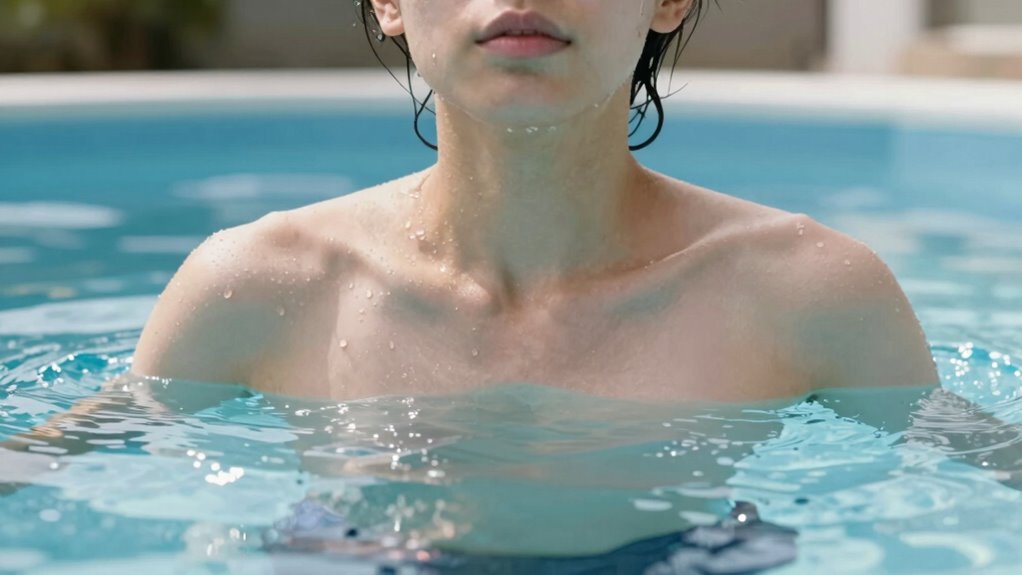

Relaxing your shoulders during a cold plunge is essential because it reduces muscle tension, making it easier to breathe deeply and stay calm. When your shoulders stay tense, it can increase stress and make the cold feel overwhelming. By letting go of that tension, you signal your nervous system to relax, which enhances resilience and stress relief. Keep going, and you’ll discover how this simple tip helps transform your cold exposure into a powerful calming practice.

Get home appliances delivered free with Prime
- Fast, free delivery on millions of items
- Prime Video, Amazon Music and more included
- Member-only deals all year
Key Takeaways
- Relaxing shoulders reduces muscle tension, allowing the body to better adapt and benefit from cold exposure.
- Looser shoulders facilitate deeper, easier breathing, promoting relaxation and activating the parasympathetic nervous system.
- Relaxation minimizes stress on the nervous system, helping build resilience and a calmer response to cold.
- It enhances mindfulness, shifting focus from discomfort to calmness, improving mental focus during cold plunges.
- Relaxed shoulders improve overall comfort, making cold therapy more effective and sustainable over time.

Taking a cold plunge can be incredibly invigorating, but many people overlook the importance of relaxing their shoulders during the process. When you dip into icy water, your body’s natural response is to tense up, especially in your shoulders and neck. This muscle tension acts as a defensive reaction, but it can hinder your overall experience and diminish the benefits of cold exposure. By consciously relaxing your shoulders, you allow your body to better adapt to the cold and access more profound stress relief. Instead of fighting the shock, you learn to surrender to it, which can make the cold plunge feel less overwhelming and more manageable.
Relaxing your shoulders isn’t just about comfort; it’s a strategic move to reduce overall muscle tension. When your shoulders are clenched, your entire upper body remains tense, which can increase feelings of stress rather than alleviate them. Cold water immersion is already a form of stress on your nervous system, but if you maintain tight muscles, you essentially amplify that stress. Letting your shoulders relax helps your body focus on calming itself rather than fighting against the cold. Over time, this practice trains your nervous system to respond more calmly to similar stressors, fostering a sense of resilience that extends beyond the water. Muscle tension can be a barrier to fully experiencing the benefits of cold exposure, especially when combined with stress response mechanisms. Additionally, understanding the importance of nervous system regulation can deepen your overall approach to cold therapy. Recognizing how your autonomic nervous system influences your stress response can further enhance your ability to stay relaxed during cold exposure.
Furthermore, relaxing your shoulders during a cold plunge enhances your ability to breathe deeply and evenly. When your shoulders are tense, your chest becomes restricted, making it harder to take slow, deep breaths. Deep breathing is a vital part of stress relief, as it stimulates your parasympathetic nervous system, which promotes relaxation. You might notice that by consciously dropping your shoulders and opening your chest, you breathe more easily and feel more at ease. This not only increases comfort but also amplifies the calming effects of the cold. Over time, this practice encourages a mental shift, helping you associate cold exposure with calm rather than panic.
Finally, the act of consciously relaxing your shoulders during a cold plunge can serve as a mindfulness technique. It draws your focus inward, anchoring you in the present moment instead of allowing your mind to race. This mental shift reduces perceived stress and makes the cold experience more meditative. When you embrace relaxation, you’re not fighting against the cold, but working with it—using your breath and muscle control as tools for stress relief. This approach can transform your cold plunge from a daunting challenge into a powerful practice of resilience and calmness, reinforcing the idea that relaxing your shoulders isn’t just good advice—it’s vital for maximizing the mental and physical benefits of cold exposure.
cold plunge shoulder relaxation aid
As an affiliate, we earn on qualifying purchases.
As an affiliate, we earn on qualifying purchases.
Frequently Asked Questions
How Does Shoulder Tension Relate to Overall Cold Plunge Benefits?
When you relax your shoulders during a cold plunge, you promote muscle relaxation, which helps your entire body adapt better to the cold. This reduces tension and eases stress, making the experience more comfortable and beneficial. Relaxing your shoulders also encourages deeper breathing, boosting stress relief and circulation. Overall, maintaining shoulder relaxation enhances the cold plunge’s benefits, supporting recovery, mental clarity, and resilience against stress.
Can Relaxing Shoulders Prevent Cold Shock Response?
Relaxing your shoulders can help prevent the cold shock response because muscle relaxation promotes stress reduction and eases your body’s reaction to cold exposure. When you relax your shoulder muscles, you reduce tension that might amplify the shock or panic feeling during a cold plunge. This muscle relaxation helps your body adapt more calmly to the cold, lowering the risk of sudden breathing difficulties or heart rate spikes, making your experience safer and more manageable.
Should I Consciously Relax My Shoulders Before Entering Cold Water?
Yes, you should consciously relax your shoulders before entering cold water. Focus on shoulder posture and tension awareness to ease stress and prevent panic. As you relax, breathe steadily and keep your muscles loose, allowing your body to adapt smoothly. By actively releasing tension in your shoulders, you help reduce the cold shock response and promote a calmer, more controlled experience during your cold plunge.
What Are Signs of Excessive Shoulder Tension During a Cold Plunge?
If you notice muscle stiffness or joint discomfort, you’re likely experiencing excessive shoulder tension during your cold plunge. Signs include your shoulders feeling tight, painful, or frozen in place, making it hard to breathe or move freely. You might also feel a burning sensation or persistent discomfort after the plunge. These signals tell you to relax your shoulders more consciously, helping your body stay calm and better adapt to the cold.
Does Shoulder Relaxation Improve Mental Clarity Post-Cold Plunge?
Relaxing your shoulders can definitely improve mental clarity after a cold plunge. When you use breathing techniques and focus on muscle relaxation, you activate your parasympathetic nervous system, helping you feel calmer and more centered. This reduces mental fog and enhances focus. By consciously relaxing your shoulders, you release tension, making it easier to breathe deeply and clear your mind, ultimately boosting your post-plunge mental clarity.
As an affiliate, we earn on qualifying purchases.
Conclusion
So, next time you dip into the cold plunge, remember to relax your shoulders. Picture your tension melting away like ice turning to water, flowing effortlessly with the chill. When you loosen up, you help your body embrace the cold instead of fighting it, making the experience more invigorating and less stressful. It’s not just about enduring the cold — it’s about riding its wave smoothly, like a surfer catching the perfect swell.
deep breathing exercise equipment
As an affiliate, we earn on qualifying purchases.
As an affiliate, we earn on qualifying purchases.
cold water immersion accessories
As an affiliate, we earn on qualifying purchases.
As an affiliate, we earn on qualifying purchases.
Fall Picks
fall essentials
As an affiliate, we earn on qualifying purchases.