Why “Relax Your Shoulders” Is Actually Good Cold Plunge Advice
I discovered that relaxing your shoulders during a cold plunge not only eases breathing but also transforms the experience into a calming, resilience-building practice.
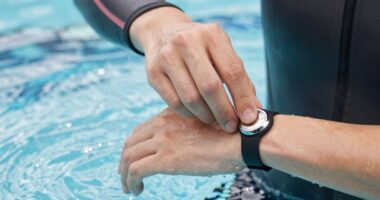
Why Counting Breaths Often Works Better Than Counting Seconds
Offering a natural rhythm, counting breaths often works better than seconds by grounding you in the present moment and enhancing your mindfulness skills.
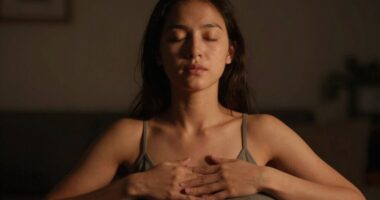
The Pre-Session Breathing Habit That Makes Cold Feel Less Chaotic
Practical pre-session breathing can transform cold exposure into a calmer experience—discover how mastering this habit can change your perception of discomfort.
Discover how deliberate breathing techniques can help you stay calm and comfortable during cold exposure, transforming your response and enhancing resilience.
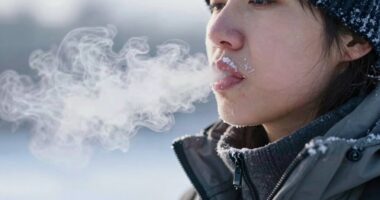
4 Breathing Mistakes That Make Cold Exposure Harder
Proper breathing habits can significantly improve cold exposure resilience; discover the four common mistakes that could be sabotaging your body’s warmth.