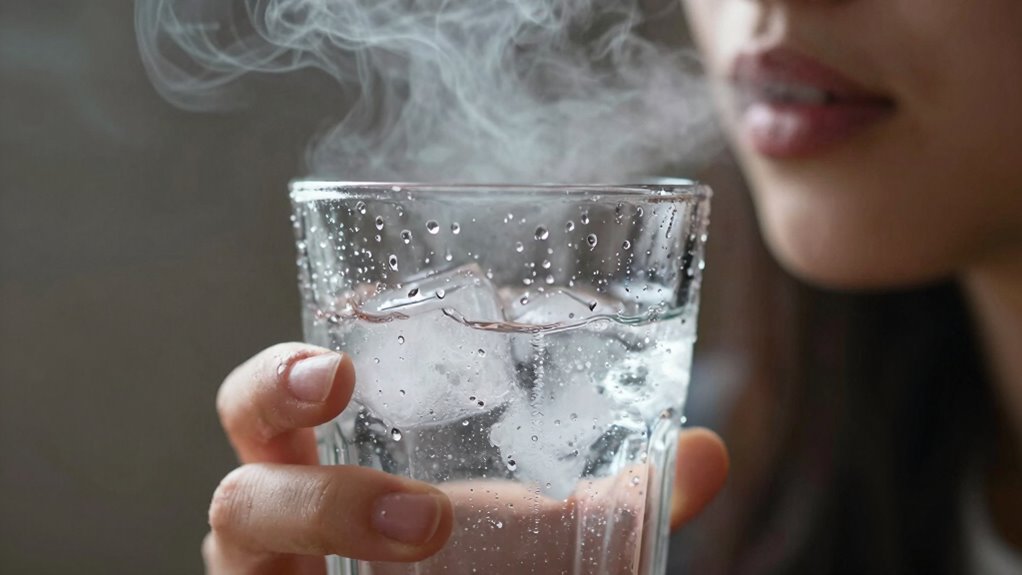

The biggest mistake you make is holding your breath or breathing irregularly when you hit cold water. This causes your body to panic, triggering a stress response that makes the shock feel worse and increases discomfort. Instead, focus on steady, deep breaths to maintain calmness and help regulate your body temperature. Mastering proper breathing techniques can lessen the initial shock and make cold immersion more comfortable. Keep going to discover more ways to improve your cold water experience.

Get home appliances delivered free with Prime
- Fast, free delivery on millions of items
- Prime Video, Amazon Music and more included
- Member-only deals all year
Key Takeaways
- Holding your breath or breathing irregularly increases cold shock and discomfort.
- Shallow, erratic breaths heighten stress and make cold water feel more intense.
- Rapid, uncontrolled breathing causes faster cooling and heightened panic.
- Failing to maintain steady, deep breaths hampers your body’s cold adaptation.
- Gasping or hyperventilating during immersion worsens sensations of cold and stress.
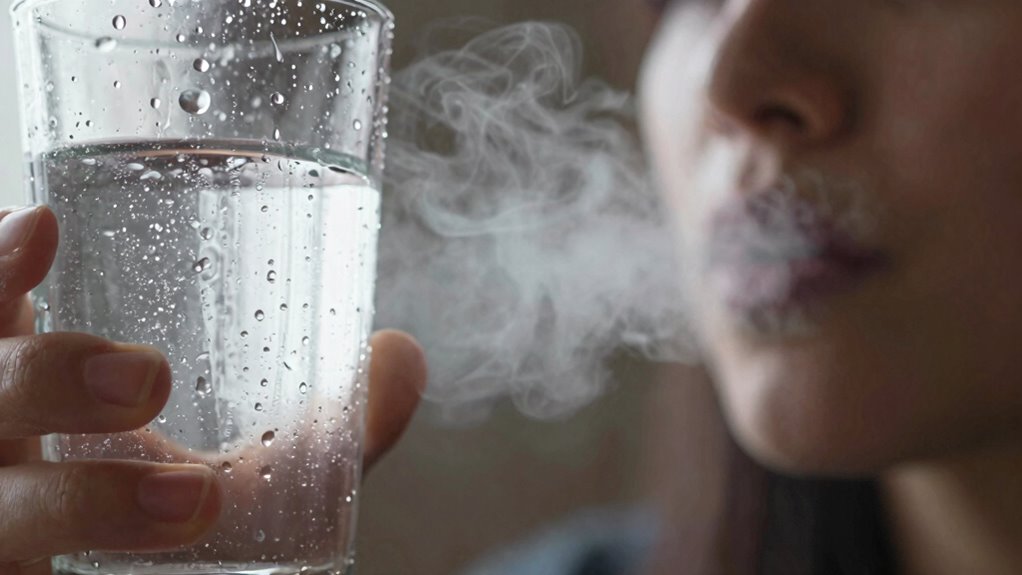
When you plunge into cold water, a common mistake is to breathe irregularly or hold your breath, which can make the experience feel even harsher. Instead of panicking and trying to hold your breath, focus on maintaining steady, controlled breathing. This is crucial because your breath control directly impacts how well you adapt to the cold. When you breathe irregularly, your body responds with increased stress, raising your heart rate and making you feel colder and more uncomfortable. On the other hand, controlled breathing helps your body manage the shock, easing the initial panic and reducing the intensity of the cold sensation.
Steady, controlled breathing eases cold shock and helps your body adapt more comfortably.
Cold adaptation is a gradual process, and your breathing pattern plays a vital role in that. When you start cold exposure with shallow or erratic breaths, your body is less efficient at regulating temperature and managing the stress response. Over time, with consistent practice of mindful breathing, your nervous system learns to respond more calmly, which helps you tolerate cold water better. This is especially important if you’re engaging in activities like cold swimming or ice bathing, where your ability to stay calm and breathe steadily can determine your safety and comfort. Developing mindful breathing techniques outside of water can significantly enhance your resilience and improve your overall cold exposure experience.
To improve your cold adaptation and avoid the harshness of sudden immersion, focus on deep, even inhales and exhales. Inhale slowly through your nose, filling your lungs completely, then exhale smoothly and fully. This kind of breath control not only helps you stay relaxed but also supports your body’s natural response to cold stress. When your breathing is deliberate and consistent, you’re less likely to hyperventilate or gasp, which can lead to dizziness or panic. Instead, you maintain a sense of calm, allowing your body to better handle the cold stimulus. Incorporating breathing exercises into your routine can further enhance your ability to remain composed during cold exposure.
Practicing breath control outside of water helps reinforce these habits. Breathing exercises, such as diaphragmatic breathing or box breathing, strengthen your ability to stay composed during cold exposure. Additionally, understanding the importance of body awareness can help you better detect early signs of cold stress and respond appropriately. Over time, this improves your cold adaptation, making the initial shock less intense and the overall experience more manageable. Remember, the key isn’t to fight the cold but to work with it by controlling your breath. When you do so, you’ll find that cold water feels less overwhelming and that you can enjoy the benefits of cold immersion with greater ease and safety. Proper breathing techniques are essential for building resilience and ensuring a safer cold exposure experience.
As an affiliate, we earn on qualifying purchases.
Frequently Asked Questions
Can Breathing Techniques Improve Cold Water Tolerance?
Yes, breathing techniques can improve your cold water tolerance. By focusing on controlled breathing patterns, you help regulate oxygen levels and reduce panic responses. This enhances your ability to stay calm and conserve energy in cold conditions. Proper oxygen regulation through deliberate breathing allows you to manage your body’s stress response, making cold water immersion more manageable and less overwhelming. Practice these techniques regularly to build resilience and improve your cold tolerance over time.
Does Nasal Breathing Help Reduce Cold Water Discomfort?
Yes, nasal breathing helps reduce cold water discomfort. When you breathe through your nose, it promotes better breathing patterns, which can prevent nasal congestion and keep your airways open. This controlled breathing technique helps stabilize your body’s response to cold exposure, reducing shock and discomfort. By focusing on nasal breathing, you improve oxygen intake and lower the likelihood of feeling overwhelmed, making cold water exposure more manageable and less painful.
Are There Specific Breathing Exercises for Cold Water Shock?
Yes, there are specific breathing exercises for cold water shock. Focus on breath control and oxygen management by practicing slow, deep breaths before entering cold water. Techniques like diaphragmatic breathing or controlled inhalations and exhalations help you stay calm and manage shock response. These exercises strengthen your ability to regulate breathing, reduce panic, and improve your overall comfort when immersed in cold water, enhancing safety and resilience.
How Does Breathing Affect Cold Water Immersion Safety?
Your breathing patterns directly impact cold water immersion safety by influencing oxygen regulation and your body’s response. Shallow or erratic breathing can cause panic and rapid oxygen depletion, increasing risk of cold shock or hyperventilation. Instead, focus on slow, controlled breaths to maintain calm and steady oxygen levels. Proper breathing helps you stay relaxed, conserve energy, and respond effectively, substantially reducing dangers associated with cold water exposure.
Can Breathing Mistakes Cause Long-Term Cold Water Sensitivity?
Breathing mistakes might not directly cause long-term cold water sensitivity, but they can impact your respiratory health over time. Poor breath control can strain your lungs and weaken your body’s resilience to cold, making subsequent immersion more uncomfortable. Maintaining good respiratory health and mindful breathing helps your body adapt better, reducing discomfort. So, while mistakes may not cause lasting sensitivity, they can hinder your overall comfort and safety during cold water exposure.
diaphragmatic breathing training kit
As an affiliate, we earn on qualifying purchases.
As an affiliate, we earn on qualifying purchases.
Conclusion
Next time you plunge into cold water, remember this simple breathing trick. It could be the key to easing that icy shock, or perhaps, making it worse without even realizing. Are you truly in control of your breath, or are you unknowingly holding yourself back? The secret lies in your next inhale—will you access the relief or let the cold win again? The choice is yours, and the outcome might just surprise you.
As an affiliate, we earn on qualifying purchases.
breath control for cold exposure
As an affiliate, we earn on qualifying purchases.
As an affiliate, we earn on qualifying purchases.
Cold & flu season Picks
humidifiers
As an affiliate, we earn on qualifying purchases.