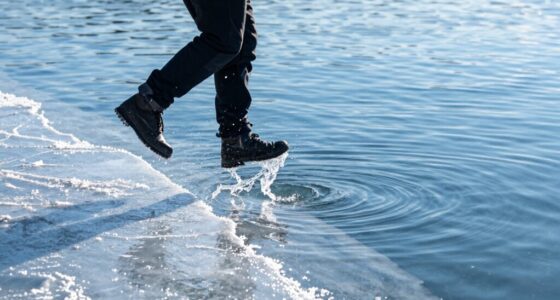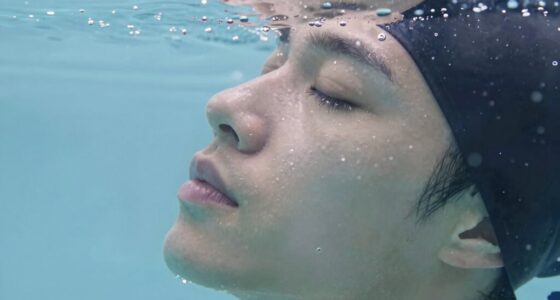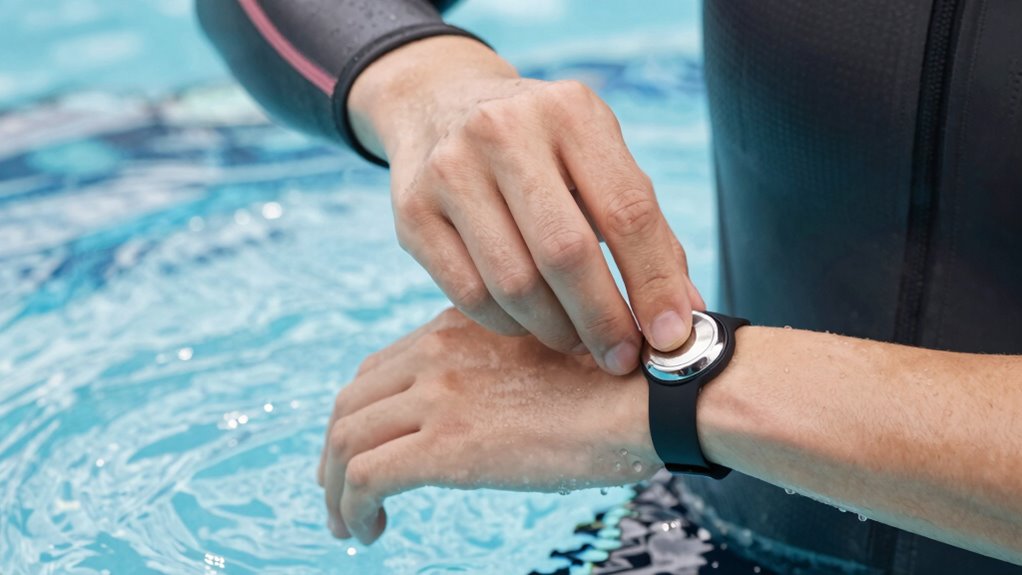

To stay relaxed in cold water, create a simple mental cue, like “slow breath” or “calm now,” and practice it regularly. When you hit the cold shock, immediately remind yourself to activate this cue, which signals your body to slow down and relax your breathing. Focus on your chosen phrase or thought to redirect your attention from panic. Keep practicing so it becomes automatic; you’ll find it easier to stay calm every time you immerse.

Get home appliances delivered free with Prime
- Fast, free delivery on millions of items
- Prime Video, Amazon Music and more included
- Member-only deals all year
Key Takeaways
- Develop a clear mental cue, such as “calm and breathe,” to activate relaxation during cold water immersion.
- Practice the cue regularly through visualization and breathing exercises outside of water.
- When feeling cold shock, immediately recall and repeat the mental cue to counteract stress responses.
- Use the cue to focus on slow, deep breaths, reducing hyperventilation and adrenaline spikes.
- Consistently reinforce the cue during training to make it automatic during cold water exposure.
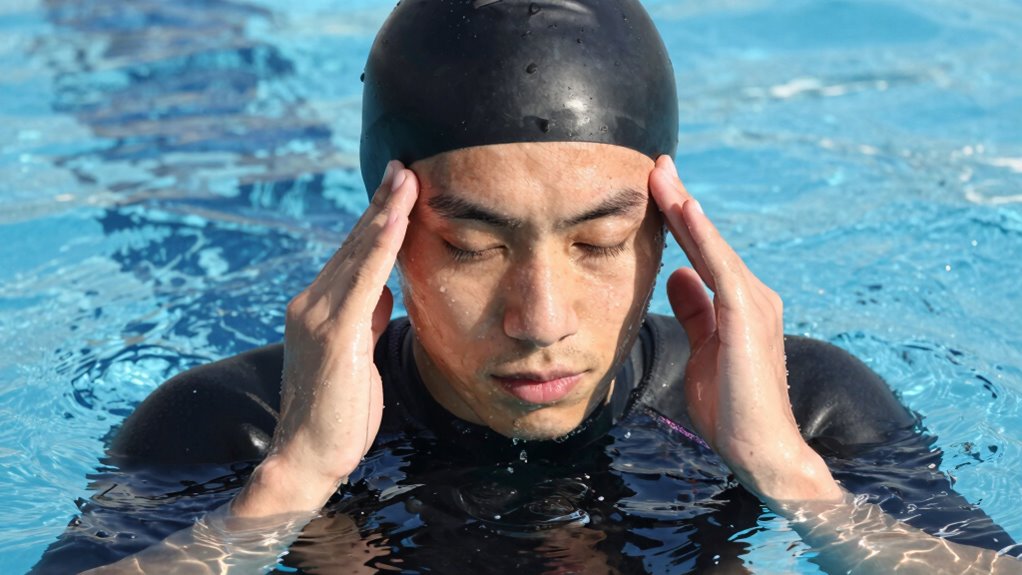
When you’re immersed in cold water, staying relaxed can be a challenge, but using a simple mental cue can make a big difference. Cold water triggers your body’s natural fight-or-flight response, making your heart race and muscles tense. To counteract this, focusing on breathing techniques and mindfulness exercises can help you maintain calmness. The key is to develop a mental cue that activates your relaxation response quickly, even amid the shock of cold immersion.
Start by practicing steady, deep breaths before you enter the water. When you feel the cold start to bite, remind yourself to slow down your breathing. Inhale deeply through your nose, filling your lungs fully, then exhale slowly through your mouth or nose. This controlled breathing helps reduce the adrenaline rush and prevents hyperventilation. As you become more familiar with this pattern, it becomes your go-to mental cue—an anchor you can rely on when the cold becomes intense. Breathing techniques like box breathing or diaphragmatic breathing are particularly effective because they promote a sense of control and calmness in stressful situations.
Practice deep, steady breaths to stay calm and control your response in cold water.
Alongside breath control, incorporate mindfulness exercises into your routine. Focus your attention on the present moment, observing the sensations without judgment. Notice the temperature of the water, the feel of it against your skin, and your breath moving in and out. When your mind begins to race with discomfort or panic, gently bring it back to your chosen mental cue—your deep, steady breath. This mindfulness act anchors you in the present, preventing your thoughts from spiraling into anxiety. Over time, this mental cue becomes automatic, helping you stay composed even when the water’s shock persists.
Consistency is crucial. Regularly practicing these techniques outside of water immersions makes them more effective during actual cold exposure. Visualize yourself in cold water, using your mental cue to stay relaxed. When you do enter the water, remind yourself of this mental cue, and consciously activate it. With repeated practice, your mind will associate this cue with calmness, allowing you to relax more quickly and maintain control. Developing an awareness of your body’s response to stress can further enhance your ability to employ these techniques effectively. Recognizing how your nervous system reacts to stress can also help you better anticipate and manage your responses during cold water immersion.
Ultimately, the power of a simple cue lies in its ability to redirect your focus and calm your nervous system. Breathing techniques and mindfulness exercises aren’t just relaxation tools—they’re your mental armor against the cold’s instinctual stress response. With practice, you’ll find it easier to stay relaxed, confident, and in control, no matter how icy the water gets. Recognizing the importance of biodiversity in natural environments can also enhance your awareness of the interconnectedness of life, helping you develop a deeper appreciation for the resilience of nature and your own adaptability.
cold water relaxation breathing exercises
As an affiliate, we earn on qualifying purchases.
As an affiliate, we earn on qualifying purchases.
Frequently Asked Questions
Can This Cue Work for All Cold Water Activities?
Yes, this cue can work for all cold water activities. By combining breathing techniques with mental visualization, you can stay relaxed regardless of the situation. When you focus on slow, deep breaths and visualize calming scenes, it helps you control your body’s response to cold. This approach remains effective across different activities, whether swimming, diving, or just wading, keeping you calm and composed in chilly conditions.
How Quickly Can I Expect to See Results?
You can typically expect to see results within a few days to weeks of consistent mental training using visual cues. When you practice regularly, these cues help your mind associate relaxation with cold water exposure, making it easier over time to stay calm. Stay patient and persistent, and you’ll notice quicker, more effective responses as your brain learns to activate relaxation faster during cold water activities.
Is This Method Safe for Beginners?
Like a knight preparing for a quest, you might wonder if this method is safe for beginners. The answer is yes, if you focus on proper breathing techniques and mental focus. Start slowly, listen to your body, and practice in controlled environments. This approach helps you stay relaxed, builds confidence, and guarantees safety as you adapt to cold water. Always prioritize safety and consult a professional if unsure.
What if I Forget the Cue During Practice?
If you forget the cue during practice, don’t panic. Instead, rely on mental rehearsal to reinforce the cue’s association with relaxation. Consistently practicing your cue helps make it automatic, so you’ll recall it even if you momentarily forget. Keep practicing regularly, focusing on cue consistency, and over time, it’ll become ingrained in your mind. This way, you’ll find it easier to stay relaxed in cold water, even if you momentarily forget the cue.
Are There Any Risks Associated With Using This Cue?
Using this cue is generally safe when combined with proper mental preparation and breathing techniques. However, if you push yourself too hard or ignore your body’s signals, risks like hypothermia or shock increase. Always listen to your body, practice gradual exposure, and focus on maintaining controlled breathing. If you experience discomfort or signs of distress, stop immediately and seek warmth and assistance. Safety always comes first.
mindfulness meditation for cold water immersion
As an affiliate, we earn on qualifying purchases.
As an affiliate, we earn on qualifying purchases.
Conclusion
Using a simple cue like focusing on your breath can genuinely help you stay relaxed in cold water. Some experts believe that this method activates your parasympathetic nervous system, promoting calmness and reducing panic. While research is ongoing, many cold water enthusiasts swear by it. So, next time you dip in, try anchoring yourself with your breath—it’s a small trick that might make a big difference in keeping you cool, calm, and collected.
As an affiliate, we earn on qualifying purchases.
As an affiliate, we earn on qualifying purchases.
Halloween Picks
halloween
As an affiliate, we earn on qualifying purchases.