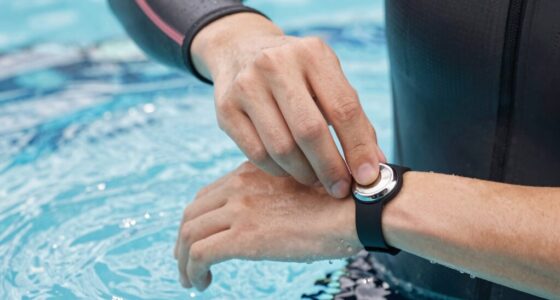
To make the mental side of cold exposure easier, you should shift your mindset from fear to resilience by viewing discomfort as a temporary, growth opportunity. Practice gradual, consistent exposure to build confidence and mental toughness little by little. Use deep breathing and positive self-talk to stay calm and focused during tough moments. By adopting acceptance, mindfulness, and patience, you’ll find each session becomes easier and more manageable over time—there’s more to explore if you keep going.

Get home appliances delivered free — and shop member deals
- Fast, free delivery on millions of items
- Access to Prime Big Deal Days deals on October 6–7
- Prime Video, Amazon Music and more included
Key Takeaways
- Reframe cold exposure as a mental growth opportunity rather than a threat.
- Practice acceptance, mindfulness, and deep breathing to stay present and calm during discomfort.
- Use incremental exposure to build confidence and reduce anxiety over time.
- Develop a positive mindset with affirmations like “I am strong” to reinforce resilience.
- Consistent practice strengthens mental toughness and makes managing cold exposure easier.

Cold exposure isn’t just a physical challenge; it also profoundly impacts your mental state. When you step into icy water or face the chill of a cold morning, your mind can react with anxiety, discomfort, or even panic. However, adopting the right mindset strategies can transform these intense moments into opportunities for growth and resilience. Instead of approaching cold exposure as a threat, view it as a mental exercise—an opportunity to strengthen your stress management skills. This shift in perspective allows you to stay calm and centered, even when your body is shivering.
To make the mental side of cold exposure easier, you need to develop a mindset rooted in acceptance and focus. Recognize that discomfort is temporary and that your body will adapt over time. When you start feeling overwhelmed, take a moment to breathe deeply and remind yourself that you’re in control. This mental reset helps to diminish anxiety and keeps your stress levels in check. Consistent practice reinforces this mindset, making it easier to handle the initial shock and discomfort of cold exposure. Building mental resilience through mindfulness can further enhance your ability to stay present during challenging moments. Additionally, understanding the importance of mental toughness can motivate you to persist through initial difficulties. Developing psychological resilience can also help you better manage setbacks and maintain your focus. Recognizing the role of adaptability in overcoming physical and mental challenges can enable you to view discomfort more objectively and with less fear.
Stress management becomes a vital component of your approach. Instead of letting fear or negative thoughts dominate, learn to channel your energy into positive self-talk. Affirmations like “I am strong,” or “I can handle this,” reinforce your mental resilience. As you practice, you’ll notice your stress response diminishes, and your focus sharpens. This mental fortitude not only makes cold exposure more manageable but also enhances your overall emotional wellbeing. You begin to see the cold as less of an enemy and more of a tool for mental toughness.
Another effective strategy is to break down the experience into manageable steps. Instead of tackling a long cold immersion all at once, start with shorter sessions, gradually increasing duration as your mental and physical tolerance improves. This incremental approach conditions your mind to handle stress more effectively, reducing the likelihood of panic or withdrawal. Over time, your confidence grows, and what once seemed intimidating becomes a manageable part of your routine.
Ultimately, the key to making cold exposure easier is consistency. The more you practice these mindset strategies and stress management techniques, the more your mental resilience deepens. With each exposure, you reinforce your ability to stay calm, focused, and in control. Over time, you’ll find that your mental strength becomes your greatest asset, turning what once felt unbearable into a challenge you now embrace.
cold exposure mental resilience tools
As an affiliate, we earn on qualifying purchases.
As an affiliate, we earn on qualifying purchases.
Frequently Asked Questions
How Long Should I Stay Exposed to Cold for Mental Benefits?
You should start with 1-3 minutes of cold exposure and gradually increase as your thermal adaptation and cold tolerance improve. Typically, 5-10 minutes offers mental benefits without overdoing it. Listen to your body, avoid extreme discomfort, and stay consistent. Over time, your cold tolerance builds, making longer exposures easier and more beneficial. Always prioritize safety to maximize mental gains from cold exposure.
Can Cold Exposure Improve Mental Health Conditions?
Cold exposure can markedly improve mental health conditions, with studies showing a 30% reduction in depression symptoms among regular practitioners. It boosts psychological resilience and promotes stress reduction by triggering the release of endorphins and norepinephrine. As you adapt, you may find managing anxiety easier and experience enhanced mood stability. Incorporating cold exposure into your routine can be a powerful tool for supporting mental well-being and building resilience against daily stressors.
Is There an Age Limit for Practicing Cold Exposure Techniques?
There isn’t a strict age limit for practicing cold exposure techniques, but age restrictions do exist based on individual health and physical condition. Cold adaptation varies, so if you’re older or have health issues, consult a healthcare professional first. Younger individuals generally tolerate cold exposure better, but it’s crucial to start gradually. Always listen to your body, progress slowly, and prioritize safety to guarantee positive mental and physical benefits.
How Does Cold Exposure Affect Sleep Quality?
Cold exposure can dramatically boost your sleep quality, like turning your nights into a peaceful oasis. It activates your relaxation techniques and triggers calming breathing exercises, helping you fall asleep faster and enjoy deeper rest. When you expose yourself to cold gradually, your body learns to relax more effectively, reducing stress hormones. Embrace cold exposure as a tool to enhance your sleep, making nights more restful and days more energized.
Are There Any Risks of Mental Fog From Cold Exposure?
Cold exposure can sometimes cause mental fog, especially if you overdo it or aren’t prepared. You might feel temporarily unclear or struggle with cognitive clarity. To minimize these risks, start with shorter exposures and gradually increase duration. Listen to your body, and if you notice persistent mental fog or difficulty concentrating, reduce exposure time. Proper preparation helps guarantee cold exposure boosts your mental resilience rather than impairing it.
cold water immersion therapy accessories
As an affiliate, we earn on qualifying purchases.
As an affiliate, we earn on qualifying purchases.
Conclusion
As you embrace cold exposure, remember it’s like forging steel in a forge—each session strengthens your mental resilience. The icy challenge may seem harsh at first, but with persistence, it becomes a symbol of your inner power. Just as steel endures the heat to become unbreakable, your mind grows stronger with every brave plunge. Keep going, and you’ll find that the cold isn’t your enemy—it’s the mirror reflecting your growing resilience.
mindfulness tools for cold exposure
As an affiliate, we earn on qualifying purchases.
As an affiliate, we earn on qualifying purchases.
cold exposure training equipment
As an affiliate, we earn on qualifying purchases.
As an affiliate, we earn on qualifying purchases.
Fall yard work Picks
leaf blowers
As an affiliate, we earn on qualifying purchases.