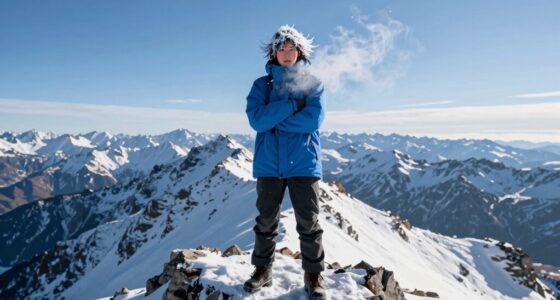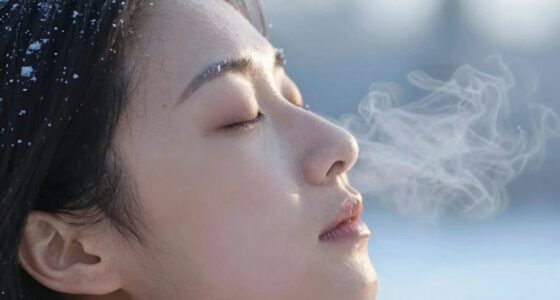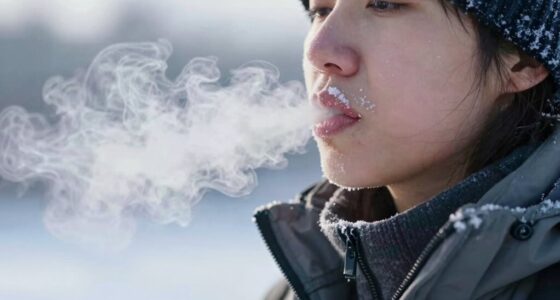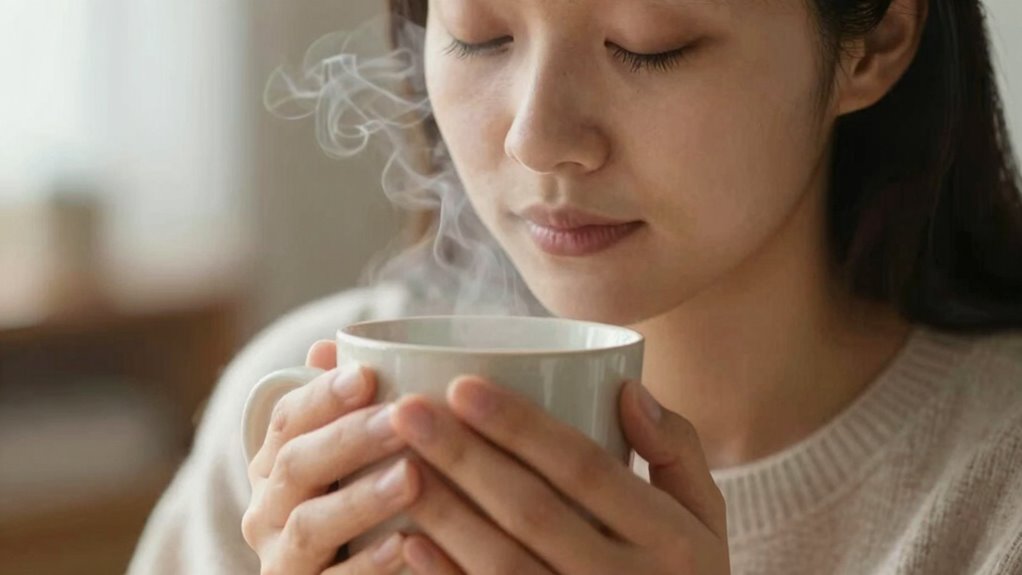

To make rewarming more comfortable, focus on slow, deep breaths. Breathe in through your nose, filling your lungs completely, then exhale slowly through your mouth or nose. Aim for about six breaths per minute to activate your relaxation response and calm your nervous system. Relax your shoulders and jaw, visualizing warmth spreading through your body. Practicing these techniques regularly can improve your comfort and recovery—there’s more you can do to enhance your calming process.

Get home appliances delivered free with Prime
- Fast, free delivery on millions of items
- Prime Video, Amazon Music and more included
- Member-only deals all year
Key Takeaways
- Practice slow, deep nasal breathing to activate relaxation and reduce rewarming discomfort.
- Use visualization techniques to imagine warmth spreading and promote a calm mental state.
- Relax shoulders and jaw to release muscle tension during rewarming.
- Focus on breathing at about six breaths per minute to slow heart rate and alleviate anxiety.
- Combine controlled breathing with awareness of surroundings to enhance overall relaxation and comfort.
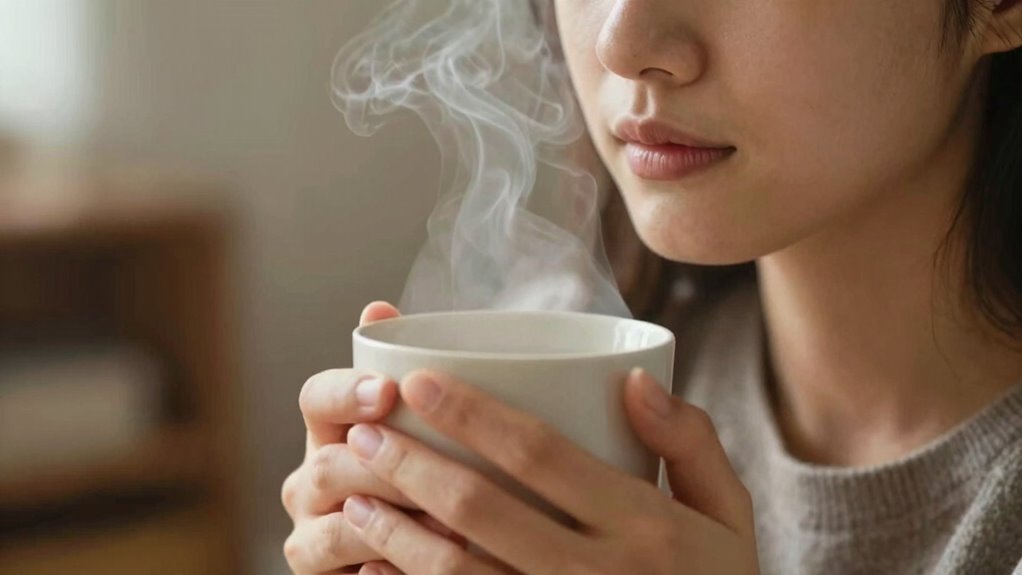
Have you ever wondered how controlled breathing can ease the discomfort of rewarming after cold exposure? When your body hits that low point from prolonged cold, the process of warming up can sometimes feel overwhelming—shivering, aches, and a restless rush of discomfort. That’s where relaxation techniques, especially proper breathing, come into play. Using intentional, controlled breathing helps your nervous system shift away from stress and into a calmer state, making rewarming less distressing.
Controlled breathing eases rewarming discomfort by calming your nervous system and reducing shivering and muscle tension.
First, focus on slow, deep breaths. When you’re exposed to cold, your body reacts by tightening muscles and increasing adrenaline, which can heighten your discomfort. To counter this, breathe in deeply through your nose, filling your lungs completely. Hold that breath for a moment, then exhale slowly through your mouth or nose, pushing out as much air as you can comfortably manage. Repeat this cycle, aiming for a rate of about six breaths per minute. This controlled breathing activates your parasympathetic nervous system—the part responsible for relaxation—helping to reduce shivering and ease muscle tension.
You can enhance these relaxation techniques by paying close attention to your body’s responses. As you breathe, try to relax your shoulders and jaw, releasing any tension. Visualize warmth spreading from your core outward as you breathe, imagining your body gradually returning to a comfortable temperature. This mental imagery, combined with deliberate breathing, can reinforce feelings of safety and calmness during rewarming. Incorporating awareness of biodiversity, such as observing natural surroundings or engaging with the environment, can also promote overall relaxation and well-being. Additionally, understanding the role of nervous system responses in cold exposure can help you better manage your body’s reactions and support your recovery process. Recognizing the connection between your nervous system and cold responses can empower you to employ relaxation strategies more effectively.
Cold exposure often triggers a fight-or-flight reaction, which speeds up your heartbeat and makes you feel more anxious. Using controlled breathing during rewarming counters this by slowing your heart rate and calming your mind. As you settle into this rhythm, you might notice your shivering diminishing and your muscles softening. Over time, practicing these relaxation techniques before and during cold exposure can prepare your body to respond more smoothly, making the rewarming process less stressful physically and emotionally.
Additionally, understanding how cold stress influences your nervous system can help you develop better coping strategies for future exposures.
guided breathing relaxation device
As an affiliate, we earn on qualifying purchases.
As an affiliate, we earn on qualifying purchases.
Frequently Asked Questions
Can Breathing Techniques Help With Cold Exposure in Extreme Environments?
Yes, breathing techniques can help with cold exposure in extreme environments. By practicing respiratory control, you enhance cold adaptation, allowing your body to better manage the chill. Deep, controlled breathing helps regulate your core temperature and reduce shivering. Focusing on your breath also calms your mind, preventing panic. Incorporating these techniques into your routine can improve your resilience and comfort during cold exposure, making extreme conditions more manageable.
Are Specific Breathing Patterns More Effective for Rewarming?
A penny for your thoughts, but in cold exposure, specific breathing patterns can really make a difference. Deep, slow diaphragmatic breathing helps improve circulation, promoting faster rewarming. Techniques like box breathing or 4-7-8 breathing can regulate your body’s response, reducing shivering and discomfort. Focusing on controlled breathing patterns during cold exposure helps you stay calm and supports your body’s natural rewarming process effectively.
How Often Should I Practice Breathing Exercises for Rewarming Benefits?
You should practice breathing exercises daily or at least several times a week to see rewarming benefits. Incorporate breathing meditation and mindful inhalation into your routine, focusing on slow, deep breaths. Consistency helps your body better regulate temperature and reduces stress during rewarming. Start with 5-10 minutes each session, gradually increasing as you become more comfortable. Regular practice makes these techniques more effective and easier to integrate into your daily life.
Can Breathing Methods Reduce the Discomfort of Rapid Rewarming?
Imagine someone experiencing rapid rewarming after hypothermia, feeling intense discomfort. Relaxation techniques and mindfulness practices, like deep breathing, can markedly reduce this discomfort. By focusing on slow, controlled breaths, you calm your nervous system, easing pain and anxiety. These breathing methods help your body adapt more comfortably to temperature changes, making the rewarming process less distressing and more manageable.
Are There Any Risks Associated With Using Breathing for Rewarming Purposes?
Using breathing techniques for rewarming generally carries minimal risks if you follow safety precautions and risk mitigation strategies. However, improper breathing methods, like hyperventilation, could cause dizziness or fainting. To stay safe, avoid over-breathing, stay in a comfortable position, and monitor your symptoms. Always consult a healthcare professional before attempting breathing-based rewarming, especially if health complications exist, to guarantee safety and effective temperature regulation.
As an affiliate, we earn on qualifying purchases.
Conclusion
By focusing on your breath, you’re guiding your body back from the cold like a steady captain steering a ship through choppy waters. Deep, calming breaths can ease discomfort and make rewarming feel smoother and more manageable. Remember, just as a lighthouse offers guidance in darkness, your breath can light the way to comfort during recovery. Keep practicing these breathing techniques, and you’ll find warmth and calmness sailing back into your body with each mindful inhale and exhale.
As an affiliate, we earn on qualifying purchases.
As an affiliate, we earn on qualifying purchases.
NFL season / tailgating Picks
team gear
As an affiliate, we earn on qualifying purchases.