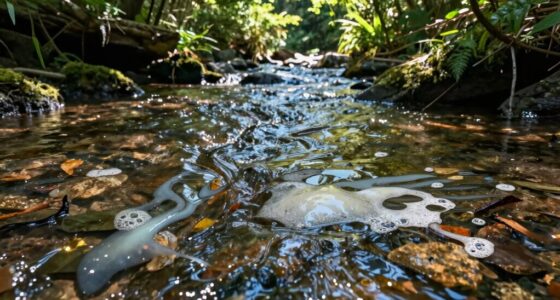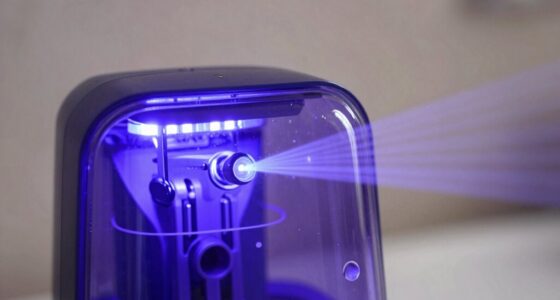
You should regularly think about your water quality, ideally testing it at least once a year, especially if you have a well or an older home. Changes in taste, smell, or appearance are signs you need to check more often. Stay informed through local water reports and be ready to take action if contamination risks increase. Keeping an eye on your water helps protect your health and your loved ones. To find out more, keep exploring these important tips.
Listen free for 30 days with Audible
Thousands of audiobooks and originals — cancel anytime.
As an affiliate, we earn on qualifying purchases.
Key Takeaways
- Test your water at least once a year, more frequently if you have a well or older home.
- Monitor for changes in taste, smell, or appearance that may indicate contamination.
- Stay updated with local water reports and advisories to identify potential risks.
- Protect vulnerable household members with additional filtration or bottled water during contamination events.
- Maintain ongoing awareness of your water source and treatment methods for long-term safety.
Have you ever wondered what’s really in your tap water? It’s a question many of us overlook daily, trusting that the water flowing from our faucets is safe. But the truth is, water quality can vary based on your location, plumbing, and even the season. While bottled water often seems like the safer choice, it’s not always free from contaminants, and relying solely on it may not be the best approach. Instead, understanding when and how to evaluate your water’s safety is essential for your health and peace of mind.
You should think about water quality regularly, especially if you notice changes in taste, smell, or appearance. These signs might indicate the presence of impurities or pollutants. Testing your water periodically is a smart move; even if your tap water passes initial safety checks, contaminants can still sneak in over time. Water filtration systems can help improve water quality by removing common pollutants like lead, chlorine, and bacteria. Installing an appropriate water filter is a proactive step to guarantee your water remains safe and tastes fresh. Remember, not all filtration systems are equal, so choose one suited to your specific needs after testing your water.
Thinking about water quality doesn’t mean you need to obsess or check it daily. Instead, establish a routine—perhaps once a year—to test your water, especially if you rely on well water or live in an older home with aging pipes. If you’re in an area with known water issues, more frequent testing becomes necessary. Staying informed about local water reports and advisories can also help you decide when to take action. Sometimes, municipal water supplies may face temporary contamination, requiring you to use bottled water or additional filtration until issues are resolved. Monitoring water quality is an important part of maintaining a safe household water supply, particularly because contamination risks can vary over time and location. Regular water testing can also help identify emerging problems before they become serious health hazards. Additionally, understanding the sources of pollution in your area can help you take preventative steps to protect your water supply.
It’s also wise to take into account your household’s specific needs. Families with young children, elderly members, or immunocompromised individuals should be extra vigilant. For them, even low levels of certain contaminants can pose health risks. Using bottled water for drinking and cooking during times of uncertainty, combined with effective water filtration, provides an extra layer of protection. Ultimately, water quality should be a continuous concern—not a one-time check—because the safety of your drinking water impacts your overall well-being more than you might realize. Recognizing the importance of biodiversity and conservation in maintaining clean water sources can further support sustainable living practices. Staying informed about the source and treatment of your water can help you better understand potential pollution sources and how to mitigate them.
As an affiliate, we earn on qualifying purchases.
Frequently Asked Questions
Can Bottled Water Improve Overall Health Compared to Tap Water?
Bottled water benefits can include cleaner taste and fewer contaminants, but it doesn’t automatically make it healthier than tap water. Tap water concerns, like chlorine or lead, vary by location. If your tap water is safe and well-regulated, it’s just as good for your health. However, if your tap water has issues, opting for bottled water might provide peace of mind. Always check local water quality reports to make an informed decision.
How Does Water Quality Affect Plumbing and Appliance Lifespan?
Poor water quality accelerates pipe corrosion and mineral buildup, shortening your plumbing and appliance lifespan. When water contains high mineral levels, it causes scale deposits inside pipes and appliances, reducing efficiency. Corrosive elements, like chlorides or acids, wear down pipe materials over time. Regular maintenance and water treatment can slow these processes, helping your plumbing last longer and preventing costly repairs. Stay proactive to protect your home’s water system.
Are There Specific Signs Indicating My Water Needs Testing?
You should get your water tested if you notice signs of water contamination, like strange odors, discoloration, or sediment. Consider testing methods like laboratory analysis or home testing kits to identify any issues. If your water tastes odd or if you experience skin irritation after use, these are signs it’s time for testing. Regular testing helps guarantee your water is safe, especially if you rely on well water or notice changes over time.
What Are the Long-Term Health Risks of Contaminated Water?
Imagine your body as a fortress, but contaminated water is like tiny invaders slipping through cracks. Long-term contaminant exposure can lead to serious health risks, including neurological issues, cancers, and organ damage. Chronic health risks from contaminated water aren’t always immediate but build up over time. Regular testing and filtering protect you from these silent threats, helping maintain your health and keep your fortress secure from invisible dangers.
How Often Should I Replace Water Filters in My Home?
You should replace your water filters according to the recommended replacement schedule, typically every 2 to 6 months, depending on the filter type and usage. Regular filter maintenance guarantees peak performance and keeps your water clean. Check your manufacturer’s instructions for specific guidance. Keep track of your replacement dates to prevent a decline in water quality, and consider more frequent changes if you notice a change in taste or flow.
whole house water filtration system
As an affiliate, we earn on qualifying purchases.
As an affiliate, we earn on qualifying purchases.
Conclusion
So, don’t wait until your glass looks like the Black Lagoon to think about water quality. Regularly check your water sources and stay informed—after all, even Sherlock Holmes would agree that early clues save the day. Keep your water clean and safe, and remember, a little vigilance today keeps the villainy of contaminants at bay. Stay sharp, stay hydrated, and don’t let your water turn into a soggy mystery!
As an affiliate, we earn on qualifying purchases.
bottled water for contamination emergencies
As an affiliate, we earn on qualifying purchases.
As an affiliate, we earn on qualifying purchases.
Fall yard work Picks
leaf blowers
As an affiliate, we earn on qualifying purchases.