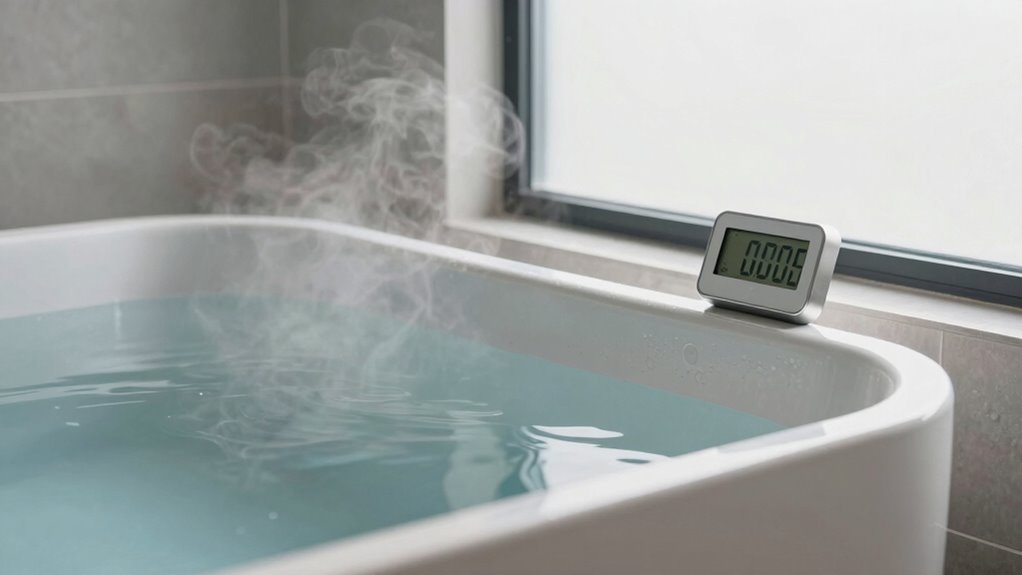
To catch problems early in your home cold plunge setup, regularly inspect key components like filters, pumps, and heating elements for signs of wear, leaks, or unusual noises. Use a reliable thermometer to monitor water temperature fluctuations which could signal circulation or thermostat issues. Keep an eye on control panels for warning lights and check plumbing for leaks. Consistent maintenance helps prevent costly breakdowns, and if you continue exploring, you’ll discover more tips to keep your system running smoothly.
Listen free for 30 days with Audible
Thousands of audiobooks and originals — cancel anytime.
As an affiliate, we earn on qualifying purchases.
Key Takeaways
- Regularly inspect filtration components for clogs, wear, or debris buildup to prevent system issues.
- Monitor water temperature daily or weekly for sudden fluctuations indicating potential problems.
- Listen for unusual noises or sluggish flow from pumps and heaters to identify early mechanical failures.
- Check control panel alerts and visually inspect plumbing for leaks or cracks regularly.
- Schedule routine cleaning, flushing, and component inspections to maintain system performance and detect issues early.
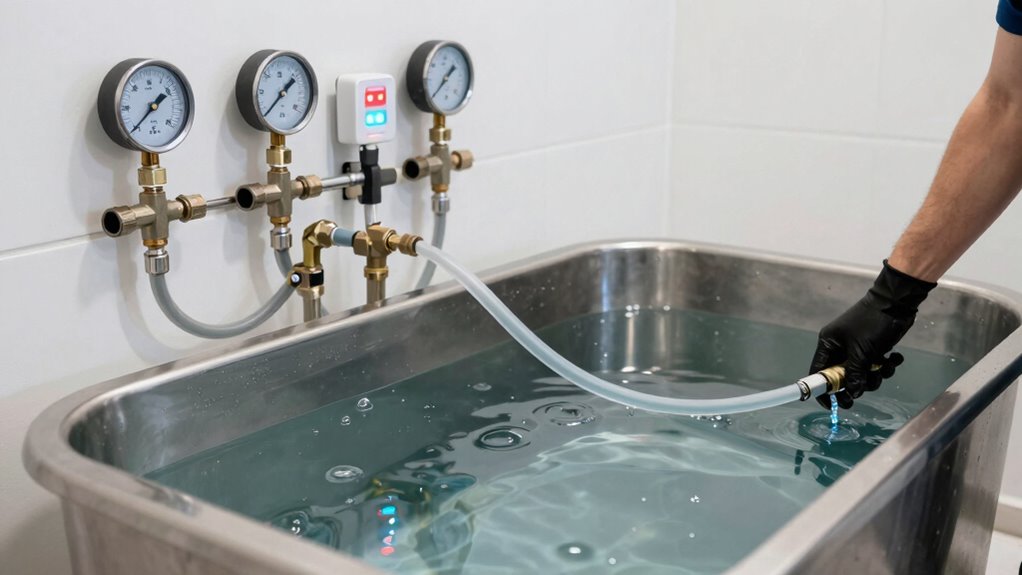
Setting up a cold plunge can be straightforward, but catching problems early guarantees you avoid costly repairs and downtime. One of the most critical aspects to monitor is your water filtration system. If your water isn’t properly filtered, debris, algae, and bacteria can accumulate quickly, leading to cloudy water and potential health risks. Regularly inspect your filtration components for clogs or wear, and change filters as recommended by the manufacturer. Keeping your filtration system in top shape ensures clean water and prevents more serious issues down the line.
Regularly inspect and maintain your water filtration system to ensure clean water and prevent costly issues.
Temperature consistency is another vital factor to watch closely. Fluctuations in water temperature might seem minor at first, but they can indicate underlying problems like malfunctioning thermostats or circulation issues. A well-maintained temperature control system helps you enjoy a consistent cold plunge experience and prevents equipment strain. Use a reliable thermometer to check water temperature periodically—daily or weekly, depending on usage. If you notice sudden changes, investigate the cause immediately. Sometimes, a simple reset or recalibration can restore stability, but persistent issues might require professional attention.
Beyond the obvious components, pay attention to your circulation pump and heater, if you have one. A malfunctioning pump can cause uneven water movement, leading to temperature inconsistencies and stagnation zones where bacteria can grow. Listen for unusual noises or observe if water movement seems sluggish. Similarly, if your heater isn’t maintaining the set temperature, it could be a sign of electrical or mechanical failure. Catching these problems early means you can fix minor issues before they escalate into major repairs. Regularly checking the system controls can also help you identify potential malfunctions before they impact performance.
Regularly check your system’s control panel for error messages or warning lights. These alerts often provide clues about what’s going wrong, whether it’s a faulty sensor, low water level, or electrical problem. Don’t ignore these signs—address them promptly to prevent system shut-downs or damage. Additionally, visually inspect all plumbing connections for leaks or cracks, which can disrupt water flow and temperature regulation. Being aware of filtration system maintenance and its importance can help you identify potential issues before they become critical. Proper system troubleshooting can also save you time and money by resolving minor issues early on. Moreover, understanding the role of water quality in your system’s overall health can guide you in making effective maintenance decisions.
Finally, schedule routine maintenance even if everything appears to be functioning correctly. Cleaning filters, inspecting wiring, and flushing the system periodically help keep everything running smoothly. When you stay vigilant about these components, you’re more likely to catch issues early, saving time and money, and ensuring your cold plunge remains a safe, enjoyable part of your wellness routine.
home cold plunge filter replacement
As an affiliate, we earn on qualifying purchases.
As an affiliate, we earn on qualifying purchases.
Frequently Asked Questions
What Are the Signs of a Failing Cold Plunge Pump?
If your cold plunge pump is failing, you’ll notice signs like strange noises, reduced water flow, or the pump running constantly. Keep an eye on water discoloration, which can indicate buildup or debris that strain the pump. Regular pump maintenance helps prevent these issues, so check your pump regularly and address any unusual sounds or water quality changes promptly to avoid bigger problems down the line.
How Often Should I Inspect the Filtration System?
Did you know that neglecting filtration maintenance can lead to water quality issues in just a few weeks? You should inspect your filtration system at least once a month. Regular inspection routines help you catch clogs, wear, or leaks early, preventing costly repairs. Keep an eye on filter cleanliness, pump operation, and overall system performance, ensuring your cold plunge stays safe and enjoyable.
Can Water Quality Issues Cause Equipment Damage?
Yes, water quality issues can cause equipment damage. Water contamination from dirt, debris, or bacteria can clog filters and corrode components, while a chemical imbalance might lead to corrosion or buildup inside pumps and heaters. Regularly testing and maintaining proper water chemistry helps prevent these problems. By catching contamination or imbalances early, you protect your cold plunge setup and extend its lifespan.
What’s the Typical Lifespan of a Cold Plunge Heater?
A cold plunge heater typically lasts about 3 to 5 years, depending on usage and water temperature management. Regular heater maintenance helps extend its lifespan by preventing mineral buildup and detecting issues early. Keep an eye on water temperature fluctuations, as inconsistent readings can signal heater problems. Proper maintenance guarantees your heater runs efficiently, avoiding costly repairs and keeping your cold plunge experience safe and enjoyable.
How Do I Detect Electrical Problems Early?
You could save yourself from an electrical disaster that might wipe out your entire setup! To detect electrical problems early, prioritize electrical safety by inspecting your cold plunge’s wiring and connections regularly. Use circuit troubleshooting tools like a multimeter to check for faulty voltage or shorts. Unusual noises, tripped breakers, or a sudden loss of heating indicate issues. Catch these signs early, and you’ll prevent costly repairs and keep your cold plunge running safely.
water temperature thermometer for plunge pool
As an affiliate, we earn on qualifying purchases.
As an affiliate, we earn on qualifying purchases.
Conclusion
By staying vigilant and regularly inspecting your cold plunge setup, you can catch issues before they become major problems—think of it as tending to a garden, where early weeding prevents larger chaos later. Just like a watchful gardener preserves the health of their plants, your proactive approach ensures your cold plunge remains safe and effective. Embrace this habit, and you’ll enjoy the invigorating benefits without the hassle of unexpected breakdowns, keeping your wellness routine smooth and steady.
pool pump and heater maintenance kit
As an affiliate, we earn on qualifying purchases.
As an affiliate, we earn on qualifying purchases.
cold plunge system leak detection tools
As an affiliate, we earn on qualifying purchases.
As an affiliate, we earn on qualifying purchases.
Flea & tick season Picks
flea and tick prevention
As an affiliate, we earn on qualifying purchases.