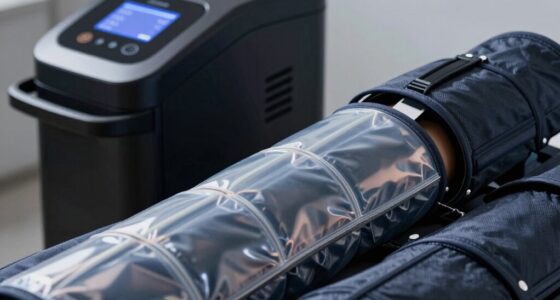

Cold exposure can influence inflammation, but research shows mixed results. Some studies suggest it reduces inflammation markers and speeds up recovery by constricting blood vessels and easing swelling. Others find little or no effect or even increased inflammation in some cases. The impact depends on factors like exposure duration, methods, and individual health. Keep exploring to discover how cold therapy might support your inflammation management.
Key Takeaways
- Cold exposure can temporarily lower inflammation markers and reduce swelling, supporting tissue repair processes.
- Short-term cold exposure may activate inflammatory pathways initially, but long-term effects could include anti-inflammatory benefits.
- Research findings are mixed; some studies show reduced inflammation after cold exposure, while others find no significant effects.
- Cold therapy can enhance immune responses and promote detoxification through improved lymphatic flow.
- Proper, moderate cold exposure is generally safe and may contribute to inflammation management, but excessive use poses risks.

Chattanooga ColPac Reusable Gel Ice Pack Cold Therapy for Knee, Arm, Elbow, Shoulder, Back for Aches, Swelling, Bruises, Sprains, Inflammation (11"x14") – Blue
- Patented Soft Design: Remains soft and pliable during use
- Versatile Cold Therapy: Suitable for multiple body parts
- Professional-Grade Relief: Designed for home and clinical use
As an affiliate, we earn on qualifying purchases.
As an affiliate, we earn on qualifying purchases.
What Is Inflammation and Why Should You Care?
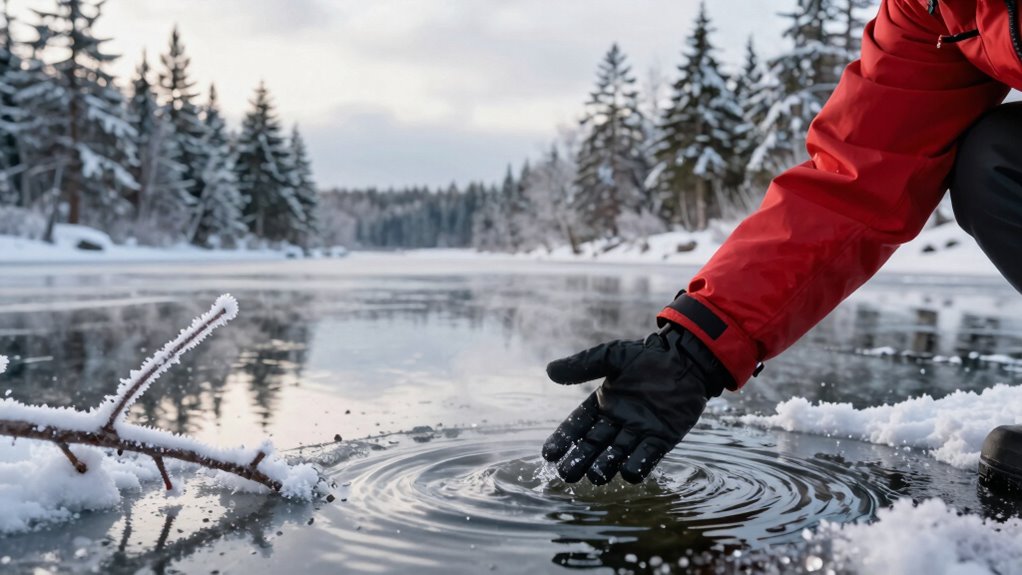
Inflammation is your body’s natural response to injury or infection, acting as a defense mechanism to protect and heal. When your tissues are damaged, immune modulation activates, triggering inflammation pathways that send signals to immune cells. These pathways coordinate your body’s response, leading to swelling, redness, and pain as your immune system fights off threats and repairs tissue. While acute inflammation is essential for healing, chronic inflammation can become harmful, contributing to health issues like heart disease or autoimmune conditions. Understanding this process helps you grasp why managing inflammation matters. Cold exposure may influence these pathways, potentially reducing excessive inflammation. Recognizing how your body reacts helps you make informed decisions about lifestyle choices that support overall health and immune function, including indoor air quality and other environmental factors that can impact inflammation levels.

Bubplay Ice Bath Cold Plunge Tub with Cover for Indoor Outdoor for Recovery, Cold Water Therapy, Athletes & Adults -105 Gallons, Black, XL
- Full-Body Cold Plunge: Roomy for most adults up to 6'7"
- Enhanced Insulation: 6-layer insulation with durable outer fabric
- Easy to Clean: Smooth inner liner for quick wiping
As an affiliate, we earn on qualifying purchases.
As an affiliate, we earn on qualifying purchases.
How Does Cold Exposure Affect Blood Flow and Immunity?

Cold exposure can boost your blood flow, helping deliver oxygen and nutrients more efficiently. This process also triggers your immune response, activating defense mechanisms in your body. Understanding how these effects work together can reveal ways to strengthen your overall immunity. Additionally, cold exposure may influence metabolic processes, contributing to overall health benefits. Regular cold exposure can also improve vascular function, supporting better circulation over time. Moreover, studies indicate that cold exposure may enhance immune system resilience, making your body better prepared to combat infections. The impact on inflammation reduction is also a promising area of research, suggesting further health advantages. Incorporating controlled cold exposure techniques may optimize these responses, leveraging smart home solutions for safe and consistent practice.
Blood Flow Enhancement
When you expose your body to cold temperatures, your blood vessels initially constrict to conserve heat, reducing blood flow to the skin and extremities. However, once you warm up or adapt, vasodilation benefits kick in, causing your blood vessels to widen. This process enhances blood circulation, allowing more oxygen and nutrients to reach tissues and promoting waste removal. Improved blood flow can support tissue repair, reduce soreness, and boost overall cardiovascular health. Cold exposure can trigger this vasodilation response after the initial constriction, helping to balance blood flow. As a result, your body can better regulate temperature and recover more efficiently. This cyclical constriction and dilation process plays a key role in optimizing blood flow and maintaining tissue health during cold exposure. Additionally, blood flow enhancement may stimulate immune responses, supporting quicker recovery and resilience against illness, especially through immune system activation. The increase in blood circulation from cold exposure may also promote detoxification by helping eliminate metabolic waste products from tissues. Furthermore, this process can enhance the vascular function, leading to improved overall cardiovascular health over time. Moreover, regular cold exposure may help strengthen blood vessel elasticity, contributing to long-term vascular health.
Immune Response Activation
As your blood vessels expand during the warming phase after cold exposure, blood flow increases, which can stimulate the immune system. This boost promotes immune modulation by enhancing circulation of immune cells and promoting a stronger cytokine response. Cold exposure triggers an inflammatory signaling process that activates immune defenses, helping your body identify and respond to threats more effectively. The table below summarizes how cold exposure influences immune activation:
| Effect | Explanation |
|---|---|
| Blood Flow Boost | Increased circulation delivers immune cells faster |
| Cytokine Response | Cold stimulates cytokines, aiding immune communication |
| Immune Cell Activation | Enhances activity of natural killer cells and macrophages |
| Immune Modulation | Balances pro- and anti-inflammatory responses |
| Overall Immunity | Strengthens your body’s ability to fight infections |
Additionally, cold exposure can enhance immune resilience by promoting adaptive immune responses that prepare your body for future challenges. This process of immune adaptation may help improve long-term immune health. Cold exposure also encourages the production of specific immune mediators that contribute to immune regulation. Moreover, repeated cold exposure can lead to immune system strengthening, which may help your body respond more effectively to various stressors and pathogens.

Cold Water Therapy Back Pad for Cryotherapy Unit, Post Surgery and Injury Recovery- Universal Pad Only for Circulating Cryotherapy Ice Machine for Large Areas Such as The Back, Abdomen, and Chest
- Back Pad: This 13" x 24" pad…
- Works With Many Systems: See our infographic for info…
- Healing Therapy: Cold therapy units provide cooling…
As an affiliate, we earn on qualifying purchases.
As an affiliate, we earn on qualifying purchases.
Does Cold Exposure Really Help Reduce Inflammation?

Many people turn to cold exposure with the hope that it can reduce inflammation, but the science behind this practice remains complex. Cold shock triggers a response in your body that may promote tissue repair by constricting blood vessels and reducing swelling. This process can temporarily lower inflammation markers and ease pain. Additionally, some research suggests that cold exposure might improve air quality by reducing airborne pollutants and allergens in the environment. Emerging studies also indicate that cold exposure could influence immune system response, potentially helping the body manage inflammation more effectively. Furthermore, cold exposure may activate brown fat tissue, which has been associated with metabolic benefits and anti-inflammatory effects. New evidence hints that cold exposure might also support detoxification processes by enhancing lymphatic flow and waste removal. However, whether cold exposure has long-term anti-inflammatory effects is still debated. Some experts suggest that brief cold exposure might help reduce inflammation by limiting tissue damage and promoting faster healing. Nonetheless, it’s important to note that excessive cold can damage tissues or hinder recovery. Overall, cold shock may offer short-term relief, but its role in sustained inflammation reduction requires further research. You should consider individual responses and consult health professionals before relying solely on cold exposure.
As an affiliate, we earn on qualifying purchases.
What Do Scientific Studies Say About Cold Exposure and Inflammation?
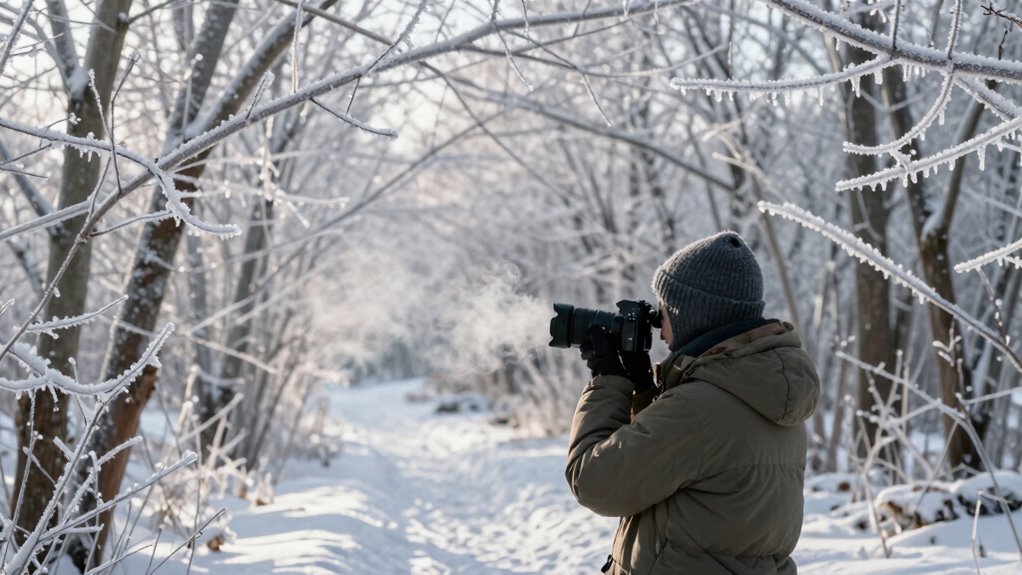
Scientific studies on cold exposure and inflammation present mixed results, reflecting the complexity of the body’s response. Research suggests that cold shock can influence inflammation pathways, but outcomes vary. Some studies show reduced markers of inflammation after cold exposure, while others find no significant effect or even increased inflammation. Factors like duration, temperature, and individual differences play a role. You might notice that:
Cold exposure impacts inflammation differently depending on various factors and individual responses.
- Cold shock activates certain inflammation pathways temporarily.
- Short-term effects can differ from long-term responses.
- Variations depend on exposure methods and individual health status.
Can Cold Exposure Help You Recover Faster and Reduce Inflammation?
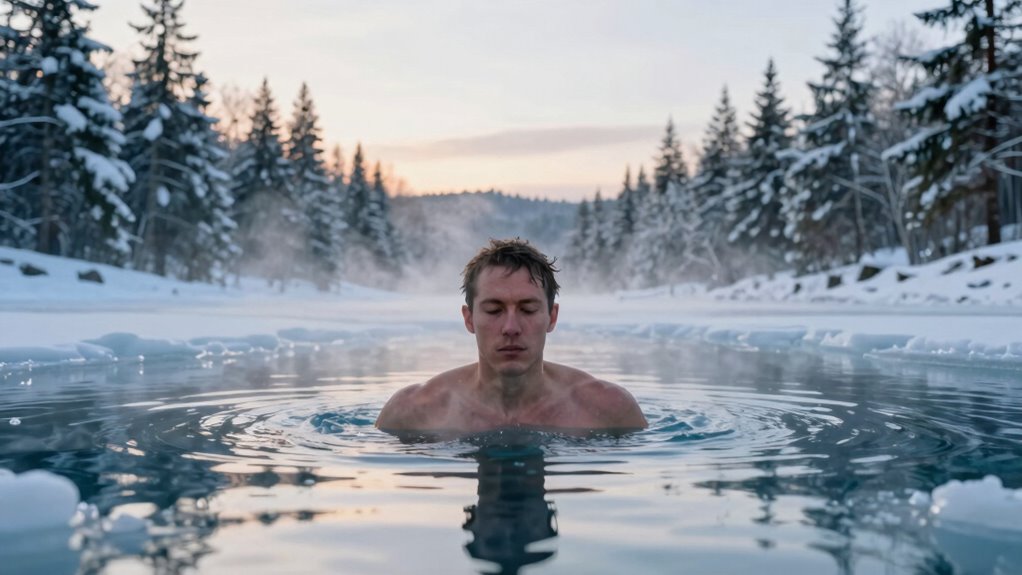
Research indicates that cold exposure may accelerate recovery and help reduce inflammation, but results can vary based on how it’s applied. When you experience a cold shock, your body activates its thermal regulation processes to maintain core temperature. This response can decrease inflammation by constricting blood vessels and reducing swelling. Cold exposure, such as ice baths or cryotherapy, can numb nerve endings and limit tissue damage, speeding up healing. By temporarily lowering tissue temperature, you may also reduce muscle soreness and inflammation after intense activity. Additionally, precision and automation in applying cold therapy can optimize its benefits for recovery. Properly timed cold exposure can support faster recovery, but overdoing it may impair healing or cause discomfort. Understanding the proper techniques for cold application is essential to maximize benefits and minimize risks. Moreover, adhering to established guidelines for cold exposure duration can prevent adverse effects and enhance recovery outcomes. Incorporating controlled cold exposure with suitable ventilation considerations can further improve comfort and safety during recovery routines. Being aware of individual variability can help tailor cold therapy protocols for optimal results.
What Are the Risks and Limitations of Cold Therapy?

While cold therapy can offer benefits, it also carries certain risks and limitations you should be aware of. One major concern is the dangers of hypothermia, which can occur if you expose yourself to cold for too long or at excessively low temperatures. Additionally, skin damage risks increase if you apply cold directly to the skin without proper protection, leading to frostbite or burns. Other limitations include the possibility of discomfort or shock, especially for those with cardiovascular issues. To minimize these risks, avoid prolonged exposure, use appropriate barriers like cloth wraps, and listen to your body’s signals. Being aware of cold exposure safety is essential for responsible practice. Always consult a healthcare professional if you have underlying health conditions before starting cold therapy.
How Can You Safely Try Cold Exposure at Home?
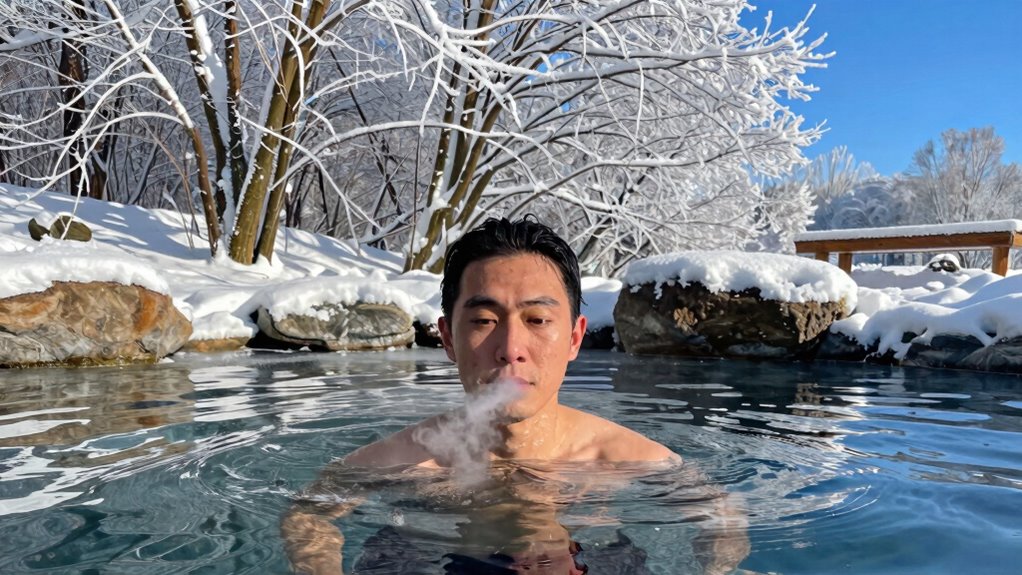
You can safely try cold exposure at home by starting slowly and paying close attention to your body’s reactions. Begin with short cold showers, gradually decreasing the temperature or increasing the duration as you feel comfortable. Keep the water cool but not unbearable. Once you’re accustomed, consider trying ice baths—fill a bathtub with cold water and add ice to reach your desired temperature. Limit your ice baths to 10-15 minutes to prevent hypothermia. Always listen to your body; if you experience dizziness, numbness, or extreme discomfort, stop immediately. It’s best to avoid extreme cold exposure if you have underlying health conditions. Consistency and moderation are key to safely incorporating cold exposure into your routine.
What Do Athletes and Wellness Enthusiasts Need to Know?
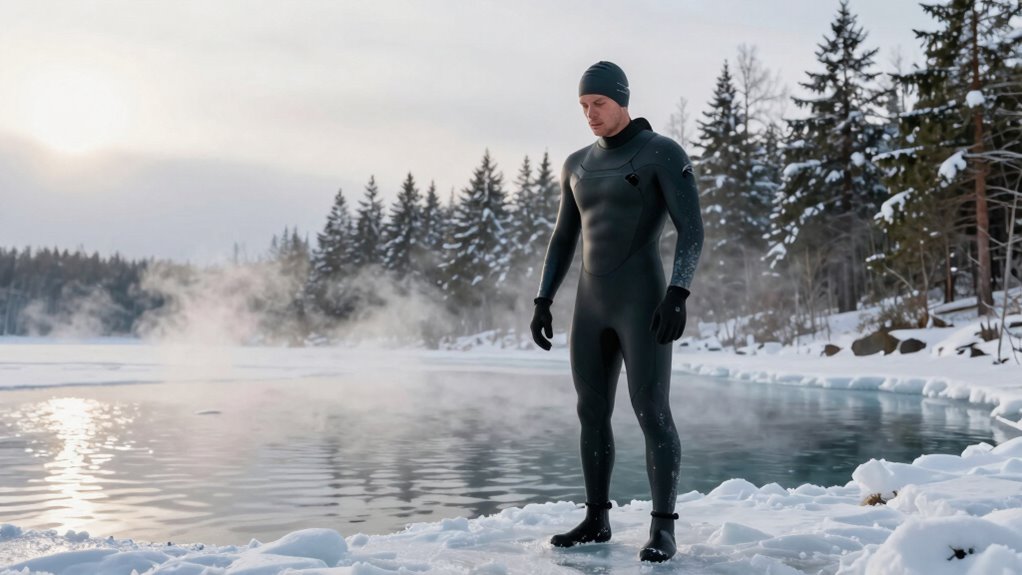
Athletes and wellness enthusiasts should understand that cold exposure can enhance recovery, reduce inflammation, and boost mental resilience when used correctly. Incorporating cold immersion into your routine may help lower inflammation markers, speeding up muscle repair and decreasing soreness. However, it’s essential to listen to your body and avoid overdoing it, as excessive cold exposure can have adverse effects.
Cold exposure can boost recovery and mental resilience when balanced carefully.
Key points to consider include:
- Limit cold immersion sessions to prevent overstressing your body
- Monitor inflammation markers to gauge effectiveness
- Incorporate gradual exposure for safer adaptation
Understanding how cold exposure impacts inflammation helps optimize benefits while minimizing risks. When used properly, cold immersion can be a valuable tool for improving athletic performance and overall wellness.
Frequently Asked Questions
How Long Should Cold Exposure Sessions Last for Optimal Anti-Inflammatory Benefits?
For ideal anti-inflammatory benefits, you should aim for cold exposure sessions lasting around 10-15 minutes, focusing on duration enhancement. Keep your sessions consistent, ideally 3-4 times per week, to maximize results. Listen to your body and avoid overdoing it, as longer sessions may cause stress rather than relief. Balancing session duration and frequency helps you effectively reduce inflammation without risking adverse effects.
Are There Specific Temperatures That Are More Effective for Reducing Inflammation?
Think of ideal cooling as finding the perfect temperature threshold, like tuning a musical instrument. Research suggests that temperatures between 10°C to 15°C (50°F to 59°F) are most effective for reducing inflammation. Staying within this range activates your body’s anti-inflammatory response without risking frostbite or discomfort. So, aim for these temperatures during cold exposure sessions to maximize benefits safely and effectively.
Can Cold Exposure Be Combined With Other Anti-Inflammatory Therapies?
Yes, you can combine cold exposure with other anti-inflammatory therapies, and doing so may enhance your overall results. Combining therapies, like cold exposure with stretching, massage, or anti-inflammatory medications, acts as complementary treatments that target inflammation from different angles. Always consult with a healthcare professional before starting new combinations to guarantee safety and maximize benefits, especially if you have underlying health conditions or are on medication.
Does Cold Exposure Benefit Chronic Inflammatory Conditions Like Arthritis?
You might find cold therapy offers some relief for chronic inflammatory conditions like arthritis, but the effects aren’t fully understood yet. Cold exposure can modulate your immune response, potentially reducing inflammation and easing pain. However, the benefits vary, and overdoing it could worsen symptoms. Stay cautious, consult your healthcare provider, and consider cold therapy as a complementary approach rather than a cure—its full potential remains a tantalizing mystery.
Are There Differences in Inflammation Reduction Between Cold Exposure and Other Methods?
Cold exposure and other methods vary in their comparative effectiveness for reducing inflammation, and your individual responses matter. You might find cold exposure quicker and more targeted, especially for localized inflammation, while techniques like diet or medication could offer broader benefits. It’s crucial to experiment safely and consult healthcare professionals to determine what works best for your body, as results can differ based on personal health and inflammatory conditions.
Conclusion
While cold exposure can be a powerful tool in your wellness toolkit, it’s not a magic bullet. Think of it as a gentle breeze that cools the flames of inflammation, helping your body recover and stay resilient. Just remember to approach it carefully, listening to your body’s signals. When done safely, cold therapy can be a revitalizing gust that clears the fog of inflammation and boosts your overall health.