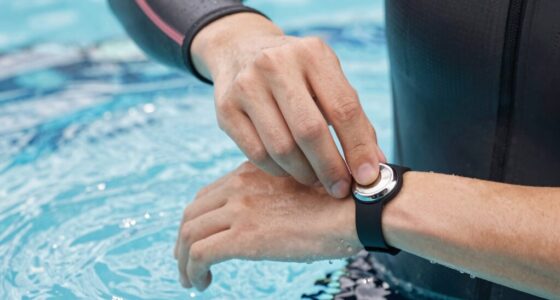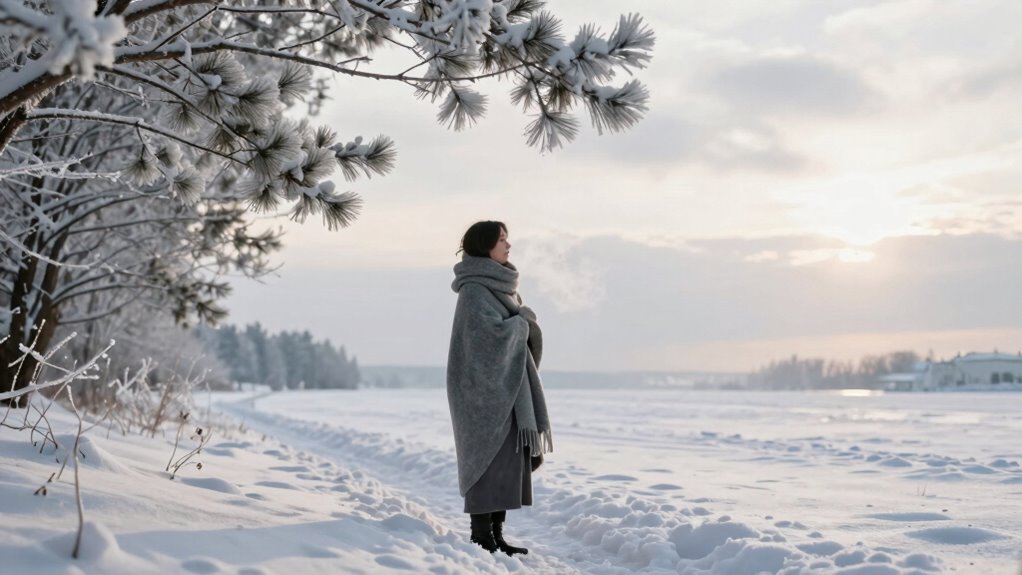
Instead of seeing cold exposure as a threat, try viewing it as an opportunity to build mental resilience and calmness. Shift your mindset from dread to empowerment, focusing on controlling your breath and staying present. Remember, the initial shock triggers a fight-or-flight response, but with practice, you can activate your parasympathetic nervous system and feel calmer. Keep exploring these strategies to transform cold exposure into a manageable, even empowering experience.

Get home appliances delivered free with Prime
- Fast, free delivery on millions of items
- Prime Video, Amazon Music and more included
- Member-only deals all year
Key Takeaways
- Viewing cold as a mental challenge shifts focus from discomfort to empowerment, making it easier to endure.
- Practicing deep, controlled breathing activates the calming parasympathetic nervous system during cold exposure.
- Understanding the science behind cold helps reframe it as a manageable test of inner strength.
- Redirecting attention inward to bodily sensations reduces anxiety and promotes relaxation.
- Developing mental resilience through consistent practice makes cold exposure feel less intimidating over time.

Many people shy away from cold exposure because they focus on how uncomfortable and intimidating it feels. The initial shock of cold water or air can trigger a fight-or-flight response, making it seem impossible to relax or even breathe properly. But if you shift your mindset and approach it differently, the experience can become much more manageable. Instead of viewing cold exposure as something to dread, see it as an opportunity to build mental resilience. When you’re in the cold, your mind often races with thoughts of discomfort or panic. Instead of letting those thoughts take over, focus on your breathing techniques. Deep, controlled breaths tell your nervous system that you’re safe, helping you stay calm and centered.
Shift your mindset to see cold as an opportunity for mental resilience and calmness.
Breathing techniques are a powerful tool in this process. By consciously slowing your inhale and exhale, you activate your parasympathetic nervous system, which counteracts the stress response triggered by the cold. This not only reduces the sensation of cold but also trains your mind to remain present and composed. As you practice, you’ll notice that your initial urge to shiver or panic diminishes, replaced by a sense of control. This mental resilience grows each time you face the cold with a calm mind and steady breath. Additionally, understanding the science of cold exposure can help reinforce your confidence and motivate consistent practice. Recognizing the importance of mind-body connection can further enhance your ability to manage discomfort. Developing a positive mindset towards cold exposure can significantly improve your experience and outcomes. Cultivating this psychological flexibility allows you to adapt more easily to various stressors, including cold conditions.
Instead of focusing on how cold it is or how uncomfortable you feel, redirect your attention inward. Concentrate on your breathing and the sensations in your body. Recognize that the cold is temporary and that your mind has the power to influence how you experience it. Over time, these mental shifts make cold exposure less intimidating and more a test of your inner strength. It’s about building confidence, not just tolerance. You’ll start to see that the cold isn’t an enemy but a challenge that you can meet with calmness and focus.
In essence, the secret to making cold exposure easier is changing your perspective. Think of it as a chance to practice mental resilience and master your breathing. This approach transforms what once seemed overwhelming into a manageable, even empowering, experience. As you continue to practice, you’ll find that your ability to stay calm and breathe deeply in cold conditions extends beyond the water or air. It becomes a tool you carry into everyday life, helping you handle stress and uncertainty with greater ease. Developing mental resilience is key to embracing challenging situations like cold exposure, ultimately making the practice more effective and rewarding. And that’s what truly makes cold exposure a valuable practice—learning to stay grounded no matter how harsh the environment.
cold exposure breathing techniques
As an affiliate, we earn on qualifying purchases.
As an affiliate, we earn on qualifying purchases.
Frequently Asked Questions
How Does Mental Attitude Influence Cold Tolerance?
Your mental attitude greatly influences cold tolerance. With mental resilience and a positive mindset, you can reframe cold exposure as a challenge rather than a threat. This shift helps reduce anxiety and promotes focus, making it easier to endure the cold. When you stay confident and calm, your body responds better, increasing your resilience. Embracing a positive outlook empowers you to handle cold exposure more effectively and build greater mental toughness.
Can Focusing on Breathing Improve Cold Adaptation?
Yes, focusing on mindful breathing can considerably improve your cold adaptation. Breath control helps regulate your body’s response to cold by calming your nervous system, reducing panic, and increasing resilience. When you concentrate on slow, controlled breaths, you activate your parasympathetic nervous system, which promotes relaxation and better blood flow. This mental shift makes cold exposure feel less intimidating and boosts your ability to tolerate lower temperatures over time.
Are There Specific Mindset Techniques for Enduring Cold?
Yes, there are specific mindset techniques like mental resilience and cognitive reframing that help you endure cold better. You can train your mind to see cold exposure as a challenge rather than a threat, boosting your confidence. Focus on your breathing and stay present, which builds mental resilience. Reframing your thoughts shifts your perspective from discomfort to opportunity, making cold exposure feel more manageable and even empowering.
Does Visualization Help in Managing Cold Discomfort?
Studies show visualization can boost your resilience, with 75% of athletes using mental imagery to improve performance. When managing cold discomfort, visualization techniques help by mentally simulating warmth and calmness, shifting focus away from the cold. You can picture yourself in a warm place or imagine your body generating heat, which reduces perception of cold and enhances your ability to endure exposure. Visualization becomes a powerful tool for mental strength during cold challenges.
How Important Is Relaxation When Exposed to Cold?
Relaxation is essential when exposed to cold because it helps your body adapt and reduces discomfort. Practice mindfulness meditation to stay calm, focusing on your breath and positive affirmations to foster a relaxed mindset. When you stay relaxed, your muscles don’t tense up, and your body can better manage the cold. Incorporating these techniques makes cold exposure more manageable and can even enhance your overall resilience.
As an affiliate, we earn on qualifying purchases.
Conclusion
Next time you face the chill, picture yourself wrapped in a cozy, sunlit blanket, the cold just a gentle breeze brushing past. Instead of bracing against it, invite the cold in as a quiet friend, not an enemy. When you stop fighting the icy air and start embracing it like an old, familiar companion, each shiver becomes a step closer to strength and calm. Let the cold become part of your journey, not your obstacle.
As an affiliate, we earn on qualifying purchases.
As an affiliate, we earn on qualifying purchases.
Cold & flu season Picks
humidifiers
As an affiliate, we earn on qualifying purchases.