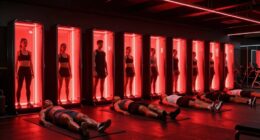

In the morning, your body’s metabolic rate is lower, generating less heat and making cold feel harsher. Plus, your core body temperature is at its lowest, and your nervous system is more alert, increasing sensitivity to cold. At night, hormones and your circadian rhythm boost body temperature and reduce nervous system reactivity, making cold exposure feel less severe. Understanding these changes helps you better grasp why your cold perception varies throughout the day—keep exploring to learn more.
Key Takeaways
- Lower metabolic rate in the morning produces less body heat, making cold exposure feel harsher.
- Core body temperature is at its lowest during early morning, increasing cold sensitivity.
- Nervous system reactivity is heightened in the morning, amplifying cold discomfort perception.
- Hormonal fluctuations, like higher cortisol in the morning, enhance awareness of cold sensations.
- At night, reduced metabolic activity and nervous system responsiveness lessen cold sensitivity.
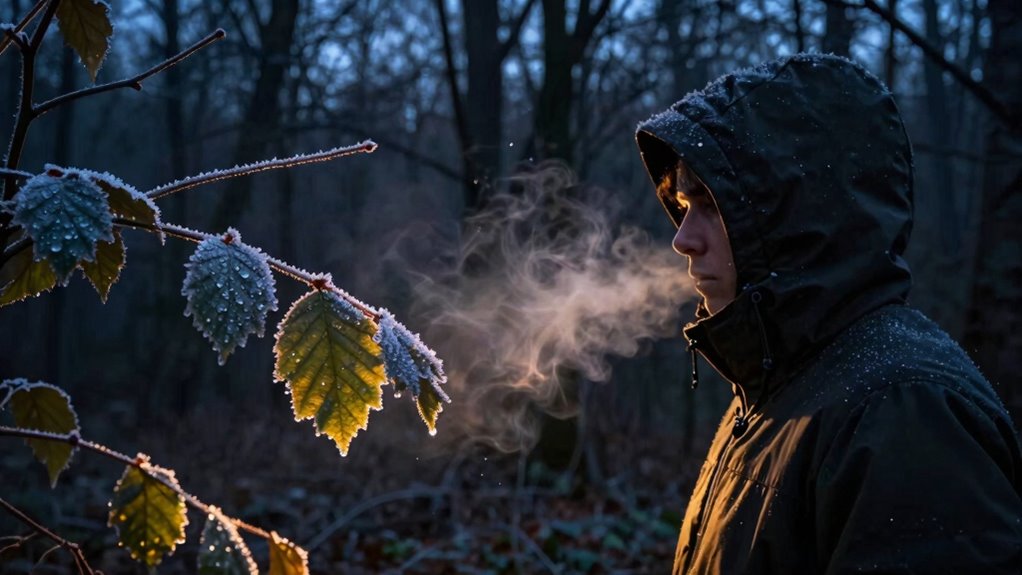
Many people notice that cold exposure feels harsher in the morning than at night, but the reasons behind this difference go beyond just temperature. Your body’s response to cold is influenced by your metabolic rate and your circadian rhythm, which regulate how you feel and react throughout the day. When you wake up, your body is still in a state of adjustment, and your metabolic rate is typically lower. This means your body isn’t burning energy as efficiently as it does later in the day, making cold sensations seem more intense. As the day progresses, your metabolism ramps up, generating more heat and helping you adapt to colder environments more comfortably. Additionally, your body’s temperature regulation mechanisms are less active in the early morning, further amplifying the cold sensation. A better understanding of these biological cycles can help tailor cold exposure routines for optimal benefits. Recognizing these patterns can also aid in planning cold exposure sessions to align with your body’s natural readiness for discomfort. Incorporating knowledge of your circadian rhythm can help optimize recovery and resilience over time. Your circadian rhythm plays a vital role in this process. This internal clock governs many physiological functions, including body temperature, hormone levels, and alertness, all of which fluctuate over a 24-hour cycle. In the early morning hours, your core body temperature is at its lowest, which amplifies the sensation of cold exposure. You might notice that stepping outside feels particularly sharp or uncomfortable during these hours because your body hasn’t yet begun its natural warming process. Conversely, at night, your body temperature tends to rise slightly, making cold exposure feel less severe and easier to tolerate. Furthermore, your circadian rhythm influences the activity of your nervous system, which controls how you perceive pain and discomfort. During the night, the nervous system is often less reactive to external stimuli, including cold. This reduced sensitivity can make cold exposure feel milder than it does in the morning, when your nervous system is more alert and responsive. Additionally, hormonal fluctuations tied to your circadian rhythm, such as increased cortisol levels in the morning, can heighten your awareness of discomfort, including cold sensations. These fluctuations are part of the hormonal cycle that also impacts other bodily functions throughout the day. Moreover, understanding how sleep patterns influence your circadian rhythm can further explain variations in cold perception. In essence, the difference in how cold exposure feels in the morning versus at night is deeply rooted in your body’s natural biological cycles. Your lower metabolic rate and cooler core temperature at dawn heighten cold sensitivity, while the gradual increase in these factors as the day advances makes cold feel less harsh later on. Recognizing these natural fluctuations can help you better understand how your body responds to cold at different times and can inform when to expose yourself for maximum comfort or training. Ultimately, it’s your body’s internal clock and metabolic activity working together that shape your perception of cold throughout the day.

Ergodyne N-Ferno 6475 Insulated Freezer Suit, Cold Storage Work Coveralls
TEMPERATURE RATING – Recommended use for temperatures ranging from -10°F to -50°F (-23°C to -46°C)
As an affiliate, we earn on qualifying purchases.
As an affiliate, we earn on qualifying purchases.
Frequently Asked Questions
Does Body Temperature Regulation Change Throughout the Day?
Your body’s temperature regulation does change throughout the day, thanks to circadian rhythms. In the morning, your thermoregulation mechanisms are less active, making you feel colder and more sensitive to cold exposure. At night, your body temperature naturally drops, and thermoregulation becomes more efficient, helping you tolerate cold better. These natural fluctuations influence how cold exposure feels, making mornings feel colder and nights more comfortable.
How Does Sleep Quality Affect Cold Sensitivity?
Imagine your sleep cycles as a gentle tide, ebbing and flowing through dream states, shaping your sensitivity to cold. When sleep quality dips, you might find yourself more susceptible to cold, as disrupted sleep hampers your body’s ability to regulate temperature. Deep, restorative sleep strengthens your resilience, making cold exposure feel less intense. Conversely, poor sleep leaves you more vulnerable, amplifying cold sensitivity during those vulnerable moments.
Can Hydration Levels Influence Cold Exposure Sensations?
Hydration levels can considerably influence how you perceive cold exposure. When you’re well-hydrated, your fluid balance supports better circulation, helping your body regulate temperature more efficiently. Conversely, dehydration can impair blood flow, making you feel colder and more sensitive to temperature changes. Staying properly hydrated ensures your body maintains ideal fluid balance, which can reduce cold sensitivity and help you better tolerate cold environments.
Are There Specific Hormones That Impact Cold Perception?
Hormonal fluctuations are like a symphony that can tune your cold perception. When your adrenaline spikes, you’re more tolerant, dulling sensitivity. Conversely, hormones like thyroid and cortisol influence sensory adaptation, making you feel colder or warmer. These shifts impact how intensely you perceive cold, especially during different times of the day. So, yes, hormones play an essential role in how you experience cold exposure, tuning your body’s response like a finely crafted instrument.
Does Physical Activity Prior to Cold Exposure Alter Feelings?
Engaging in physical activity before cold exposure can markedly alter how you feel, as muscle activation warms your body and boosts circulation. It also helps with mental preparedness, making you more accustomed to the cold. This combination can lessen the shock and discomfort, making the cold feel less intense. So, if you want to improve your cold exposure experience, consider doing some light exercise beforehand to better handle the chill.
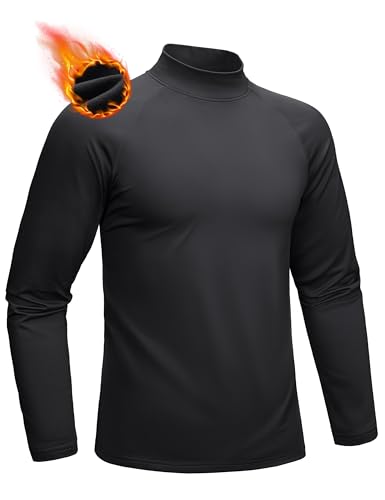
MAGCOMSEN Mens Base Layers Long Sleeve Thermal Shirts Fleece Lined Stretchy Athletic Shirts for Winter Outdoor Black L
【Material】 92% Polyester, 8% Spandex, thermal, stretchy and soft.
As an affiliate, we earn on qualifying purchases.
As an affiliate, we earn on qualifying purchases.
Conclusion
So, next time you brave the cold at dawn or dusk, remember—your body isn’t just reacting to temperature, but to an intricate symphony of your circadian rhythm and alertness. Like a pendulum swinging between day and night, your perception shifts, making cold feel sharper or softer. Embrace this dance, and you’ll better understand your own resilience. After all, isn’t life itself a constant ebb and flow—much like the way cold feels at different times?

Polar Active Ice 3.0 Cold Therapy Ice Machine System with Programmable Timer, Shoulder Compression Pad, Lightweight 9 Quart Cooler Freeze Kit, Quiet Pump, Strong Cryotherapy Pain Relief Treatment
CUSTOM PROGRAMMABLE TIMER: Our patent-pending programmable timer allows you to customize a personalized cooling on and off cycle…
As an affiliate, we earn on qualifying purchases.
As an affiliate, we earn on qualifying purchases.

TELALEO 4 Pack Women's Thermal Shirts Fleece Lined Athletic Tops Long Sleeve Compression Workout Baselayer for Cold Weather-L
【Micro Fleece Lined】85% Polyester,15% Polyurethane(Spandex). the size is relatively small, If you don't like tight fitting, you can…
As an affiliate, we earn on qualifying purchases.
As an affiliate, we earn on qualifying purchases.