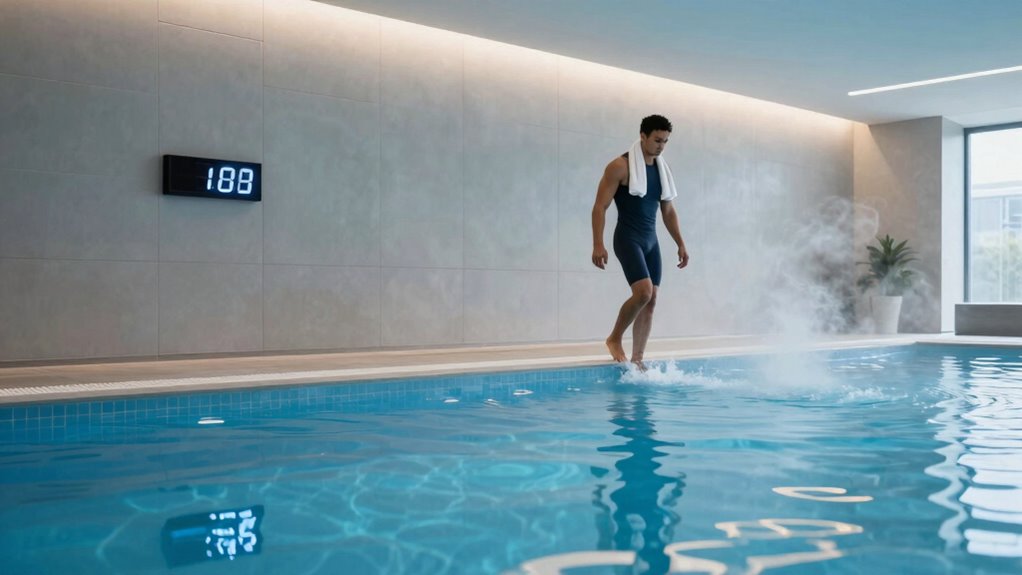

To make cold plunges work with a busy schedule, focus on key moments like first thing in the morning, post-workout, or midday for an instant mental and physical reset. Keep it brief—just a few minutes—to stimulate mental clarity, reduce soreness, and boost your mood. Consistency is essential for lasting benefits. Want to discover the best strategies to fit cold plunges into your day? Keep exploring to access more tips.
Listen free for 30 days with Audible
Thousands of audiobooks and originals — cancel anytime.
As an affiliate, we earn on qualifying purchases.
Key Takeaways
- Prioritize a quick plunge in the morning to boost alertness and set a focused tone for the day.
- Use brief post-workouts cold plunges to aid recovery without disrupting your schedule.
- Incorporate short midday sessions for an instant mental reset during busy hours.
- Consistency, even with brief dips, enhances long-term benefits and adaptation.
- Schedule plunges during natural breaks or moments of mental fatigue for maximum impact.
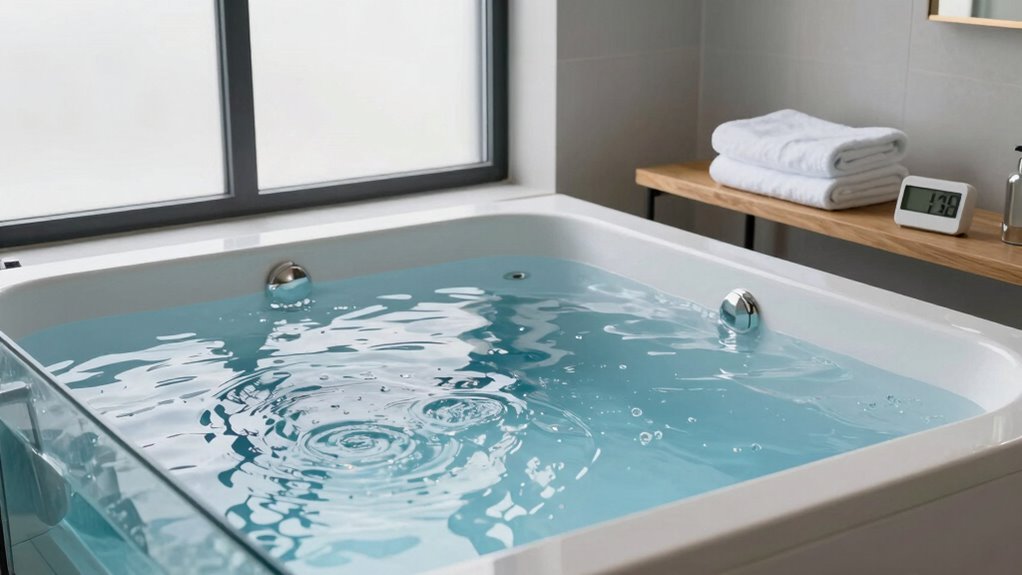
When you’re busy and short on time, fitting in a cold plunge might seem challenging, but with the right timing, it can become a quick and effective part of your routine. The key is to understand how to maximize its benefits amid your busy schedule. Cold plunges are known to support temperature regulation, helping your body adapt to temperature fluctuations, which can enhance overall resilience. They also boost mental clarity, sharpening your focus and reducing mental fatigue. So, knowing when to take that plunge can make all the difference, especially if you’re trying to incorporate it into a jam-packed day. Incorporating cold plunges at strategic times can help you develop temperature regulation and mental resilience more effectively. Timing your cold plunge for maximum benefit doesn’t mean you need to spend hours in the cold. Instead, consider doing it at moments when your body and mind need a reset. Many people find that plunging first thing in the morning jump-starts their day. It wakes up your nervous system, improves circulation, and sharpens mental clarity right from the start. When you do it early, you set a tone of alertness and focus that carries through your busy day. Plus, it can help regulate your core temperature early on, making you feel more grounded and prepared for whatever comes next. Additionally, research shows that cold exposure can positively influence your mood and stress levels, making it a valuable tool for mental health. Incorporating recovery techniques like cold plunges can also support your overall fitness and well-being by reducing inflammation and promoting faster muscle repair. Regular cold exposure can also enhance your immune response, helping you stay healthier during busy periods. This practice can also serve as a simple yet effective way to boost your mental resilience, especially during stressful times. Alternatively, some prefer to take a cold plunge after a workout. Post-exercise, your body is already primed for recovery, and the cold can help reduce inflammation and muscle soreness. It’s also an excellent way to reset your mental state, clearing out the mental fog that often follows intense activity. In this context, the plunge serves as a cool-down for both your muscles and your mind, allowing you to mentally reset and regain focus for the rest of your day. If mornings or post-workouts aren’t feasible, consider taking a quick cold plunge during a midday break. This can provide an instant boost of mental clarity, helping you push through the afternoon slump. The cold stimulates your nervous system, making you more alert and improving your mood. Just a few minutes can be enough to trigger a significant increase in mental acuity, especially when you’re feeling sluggish or distracted. Ultimately, the best time for your cold plunge depends on your schedule and goals. Whether it’s morning, after exercise, or during a midday break, the key is consistency. When you stick with it, your body adapts, and you’ll notice better temperature regulation and mental clarity over time. In the end, fitting a cold plunge into your busy life isn’t about finding hours—it’s about choosing the right moment to harness its powerful benefits quickly and effectively.
As an affiliate, we earn on qualifying purchases.
Frequently Asked Questions
How Long Should a Cold Plunge Last for Optimal Benefits?
You should aim for a cold plunge lasting about 3 to 5 minutes at temperatures between 50-59°F. Keep your immersion techniques simple: submerge fully and focus on steady breathing. This duration maximizes benefits like muscle recovery and mental clarity without overexposure. Remember, listen to your body—if you feel too uncomfortable, exit sooner. Consistency matters more than length, so find a routine that fits your schedule and comfort level.
Is Morning or Evening Better for Cold Plunges?
Morning or evening? You can confidently choose either, as both have benefits. Morning plunges energize and clear your mind, while evening dips help relax and unwind. Don’t fall for hydrotherapy myths that cold exposure is unsafe—it’s safe if done correctly. Prioritize cold exposure safety, listen to your body, and stick to your schedule. Whether morning or night, consistency is key to reaping cold plunge rewards and revitalizing your routine.
Can Cold Plunges Replace Other Recovery Methods?
Cold plunges can complement your recovery routine but shouldn’t replace other methods like stretching or rest. Many believe in hydrotherapy myths that cold exposure alone cures all soreness, but safety is key. Always prioritize cold exposure safety by limiting duration and ensuring proper temperature. Use cold plunges as part of a balanced recovery plan, combining them with sleep, nutrition, and active recovery for ideal results.
How Often Should I Cold Plunge Weekly?
You should aim for cold plunges about two to three times a week. This frequency helps you experience the benefits of cold shock, like improved circulation and mental clarity, without overdoing it. Consistency is key to building resilience and reaping mental health benefits. Keep your sessions short—around 3-5 minutes—to avoid overstimulation and make sure you stay energized and focused throughout your busy day.
Are There Any Risks for Beginners During Cold Plunges?
Starting cold plunges can be risky if you ignore temperature safety and beginner guidelines. You might experience shock, rapid heartbeat, or dizziness if the water’s too cold or you stay in too long. Always ease in gradually, keep the water at a safe temperature (around 50-60°F), and listen to your body. Following these precautions helps you enjoy the benefits without risking health issues.
As an affiliate, we earn on qualifying purchases.
Conclusion
Finding the right time for your cold plunge is like tuning a fine instrument—you’ll get the harmony once you listen to your body’s rhythm. Whether it’s morning to energize or evening to unwind, consistency matters more than perfection. By carving out a few minutes, you turn a simple dip into a powerful tool that fits your busy schedule. Embrace the chill, and watch how it transforms your day, like a gust of fresh air clearing the fog.
As an affiliate, we earn on qualifying purchases.
As an affiliate, we earn on qualifying purchases.
Flea & tick season Picks
flea and tick prevention
As an affiliate, we earn on qualifying purchases.