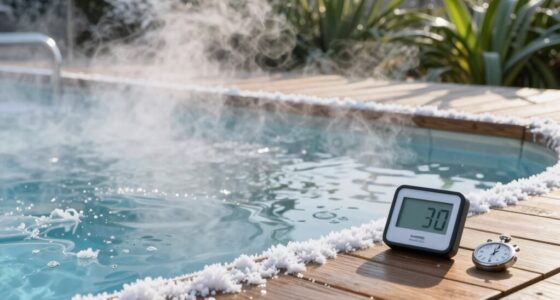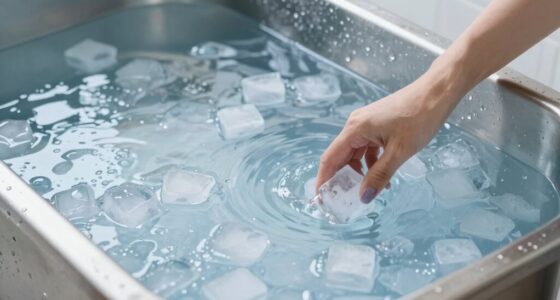

To start cold exposure calmly when you’re nervous, begin gradually by lowering the water temperature slowly over time. Focus on controlled, deep breaths to signal safety to your nervous system and reduce anxiety. Use calming techniques like steady breathing and positive mindset to stay relaxed. Start with short exposures and increase slowly as your body adapts. Pay attention to how your body reacts and adjust accordingly. Keep practicing, and you’ll discover more ways to make the experience even safer and more comfortable.
Key Takeaways
- Begin with warm water and gradually decrease the temperature over multiple sessions.
- Practice deep, controlled breathing to signal safety and promote relaxation.
- Incorporate brief cold water immersions at the end of showers, gradually extending duration.
- Focus on maintaining a calm mindset and avoid rushing into colder water suddenly.
- Monitor your body’s responses and adjust exposure techniques to stay relaxed and in control.
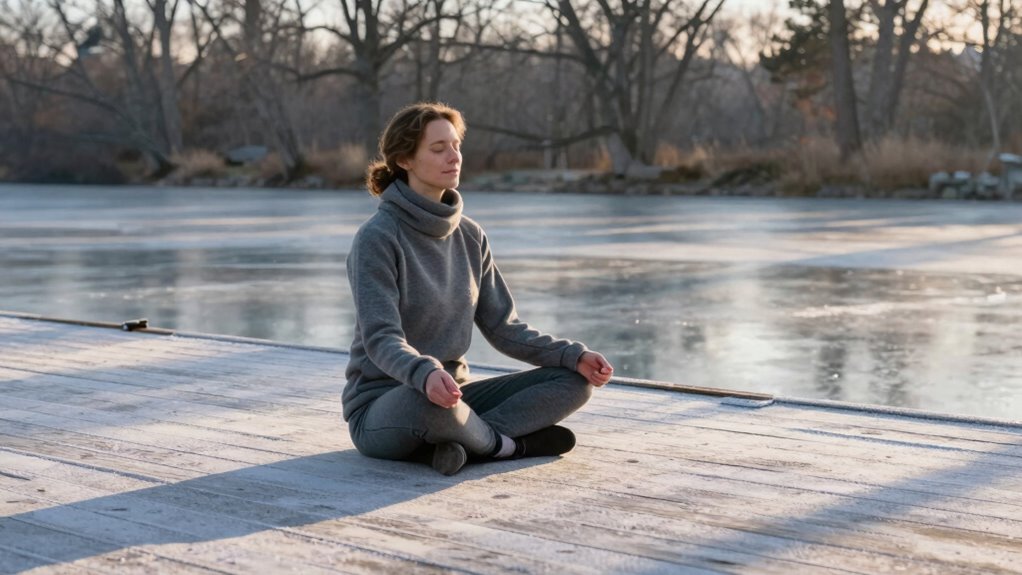
Cold exposure can be a powerful way to boost your resilience and improve overall well-being, but it’s important to approach it calmly and safely. If you’re feeling nervous about diving straight into cold water or ice baths, take small, intentional steps to ease your mind and body into the process. One effective way to do this is by focusing on your breathing techniques. Deep, controlled breaths help signal to your nervous system that you’re in a safe space, reducing anxiety and preventing hyperventilation. When you feel the urge to panic, pause and take slow, deliberate breaths—inhale deeply through your nose, hold briefly, then exhale slowly through your mouth. This practice centers your focus and can markedly lower stress levels before, during, and after cold exposure.
Another key to starting cold exposure gently is embracing gradual immersion. Instead of plunging into icy water right away, begin with warm water and slowly reduce the temperature over several sessions. This step-by-step approach allows your body to adapt gradually, minimizing shock and discomfort. You might start with just a few seconds of cold water at the end of your shower, gradually increasing the time each day. Over time, your body learns to tolerate colder temperatures without overwhelming your nervous system. This staged process fosters confidence and helps you build mental resilience, making cold exposure feel less intimidating.
As you practice gradual immersion, pay attention to your body’s responses. Notice how your breath shifts and how your muscles react as the water gets colder. Use your breathing techniques to stay relaxed, focusing on slow, rhythmic breaths to maintain a sense of control. When you’re nervous, it’s tempting to hold your breath or breathe quickly, which only amplifies discomfort. Instead, keep your breathing steady and deliberate. This not only keeps your body calm but also enhances your ability to tolerate the cold over time. Incorporating awareness of physical responses can further improve your cold exposure experience. Recognizing your body’s reactions helps you adjust your approach and build confidence in handling colder environments. Additionally, understanding the physiological basis of cold shock response can help you better prepare for and manage your body’s reactions during exposure. Becoming familiar with the body’s reaction to cold can empower you to stay composed and resilient during each session.

2 Pack Immersion Heater Kit, Immersion Water Heater 120V-300W, 240V-500W
- High-Quality Stainless Steel: Corrosion-resistant and durable construction
- Easy to Use: Simple plug-and-heat operation
- Portable and Compact: Lightweight design with hanging handle
As an affiliate, we earn on qualifying purchases.
As an affiliate, we earn on qualifying purchases.
Frequently Asked Questions
How Long Should I Stay in Cold Exposure for the First Time?
For your first cold exposure, start with just 1-3 minutes. Focus on breathing techniques to stay calm and control your response. Mental preparation helps you stay relaxed and confident. Gradually increase your time as you become more comfortable, listening to your body. Remember, staying calm and steady is key, so don’t rush the process. Keep your breathing deep, and you’ll find it easier to handle the cold.
Can Cold Exposure Help Reduce Anxiety or Stress?
Think of cold exposure as a storm you can weather calmly. Yes, it can help reduce anxiety and stress by boosting your mood and calming your mind. To navigate this storm, use mindfulness techniques and breathing exercises, which act like a sturdy boat helping you stay afloat. Regularly practicing these methods during cold exposure can make you more resilient, turning nervous energy into a sense of calm.
Is It Safe to Start Cold Exposure Alone at Home?
Yes, it’s generally safe to start cold exposure alone at home if you follow safety precautions, like limiting exposure time and avoiding extreme cold initially. Be aware of cold exposure myths that suggest more is always better—moderation is key. Always listen to your body, stay nearby for support, and consult a healthcare professional if you have health concerns. Proper safety measures help guarantee a safe and calming experience.
What Signs Indicate I Should Stop Cold Exposure Immediately?
When you notice intense shivering, dizziness, chest pain, or difficulty breathing, it’s time to call uncle. These signs show your body’s telling you to stop. Use breathing techniques and mental preparation to stay calm, but don’t ignore these warning signals. If you feel numbness or disorientation, end your cold exposure immediately. Trust your instincts—safety always comes first, no matter how tempting it is to push through.
How Frequently Should I Practice Cold Exposure for Best Results?
You should practice cold exposure 2-3 times a week to see steady benefits. Before each session, use breathing techniques to stay calm and boost your mental preparedness. Start with shorter durations and gradually increase as you become more comfortable. Consistency is key, so listen to your body and avoid overdoing it. This approach helps you build resilience safely while maintaining a calm, controlled mindset.
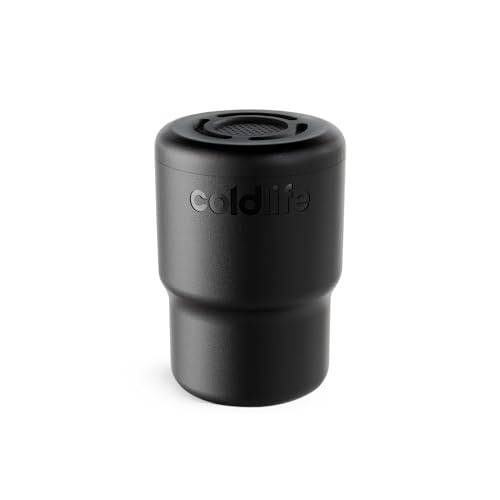
Cold Life Shower Head Replacement Filter Cartridge, 90-Day Life
- Advanced Filtration: Reduces chlorine, heavy metals, impurities
- Supports Hair & Skin: Reduces dryness, softens hair, refreshes skin
- KDF-55 & Calcium Sulfate: Reduces chlorine and contaminants
As an affiliate, we earn on qualifying purchases.
As an affiliate, we earn on qualifying purchases.
Conclusion
So, you’re ready to take that first plunge, but remember—calmness is your secret weapon. As you step into the cold, trust the breathing techniques and mental cues you’ve practiced. The sensation may surprise you, but stay present. Because the real magic happens when you realize that the chill isn’t just outside—it’s inside, waiting to be conquered. Are you prepared to discover how far your calm can truly take you? The icy horizon awaits.

Bubplay Ice Bath Cold Plunge Tub with Cover for Indoor Outdoor for Recovery, Cold Water Therapy, Athletes & Adults -105 Gallons, Black, XL
- Full-Body Cold Plunge: Roomy for most adults up to 6'7"
- Enhanced Insulation: 6-layer insulation with durable outer fabric
- Easy to Clean: Smooth inner liner for quick wiping
As an affiliate, we earn on qualifying purchases.
As an affiliate, we earn on qualifying purchases.

Ice Machine for Knee After Surgery w/Compression, Hip Replacement Cold Therapy Machine, Cryocuff Wrap Pack for Shoulder Recovery, ACL Cold Circulation System
- 2-in-1 Icing & Compression: Reduces swelling 45% faster with dual therapy
- Smart Timer for Therapy: Customizable intervals for personalized recovery
- Portable & Long-Lasting Cooling: 15-hour cooling with leak-proof reservoir
As an affiliate, we earn on qualifying purchases.
As an affiliate, we earn on qualifying purchases.