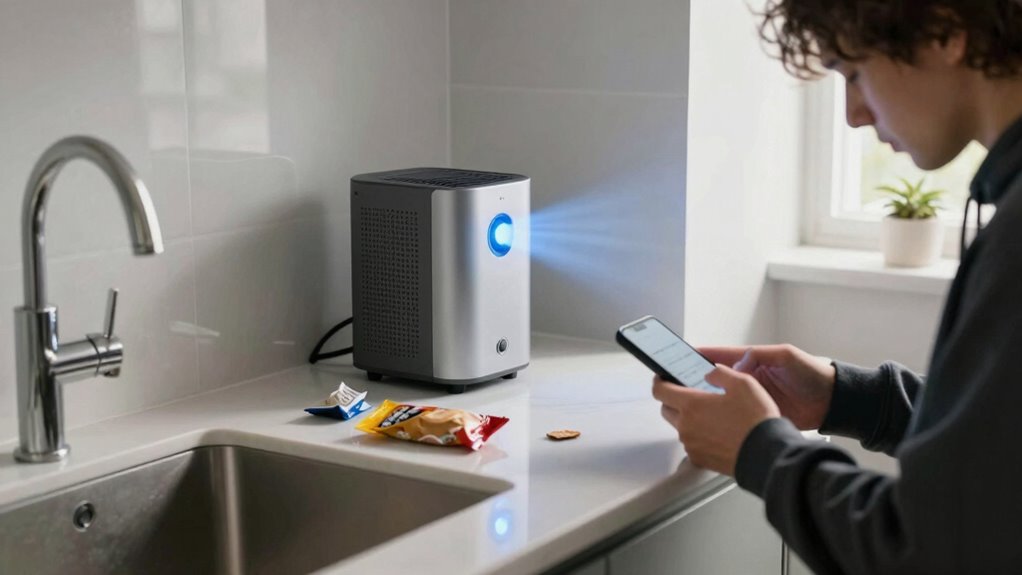

Ozone systems can help temporarily improve air and water quality by neutralizing odors, bacteria, and mold. However, they don’t fix the habits that cause pollution buildup, like clutter, poor ventilation, or smoking indoors. Relying solely on ozone will not address the root causes of poor air quality. To really make a lasting difference, you need to combine ozone treatment with good routines. Keep going to learn how to maximize its benefits effectively.
Key Takeaways
- Ozone systems temporarily improve air and water quality but do not address underlying pollution sources.
- Consistent cleaning and ventilation are essential for long-term indoor air quality.
- Relying solely on ozone without good routines limits effectiveness and may allow pollutant buildup.
- Proper habits, like reducing indoor pollution and maintaining cleanliness, enhance ozone system benefits.
- Ozone systems are tools that work best when combined with proactive environmental and lifestyle practices.
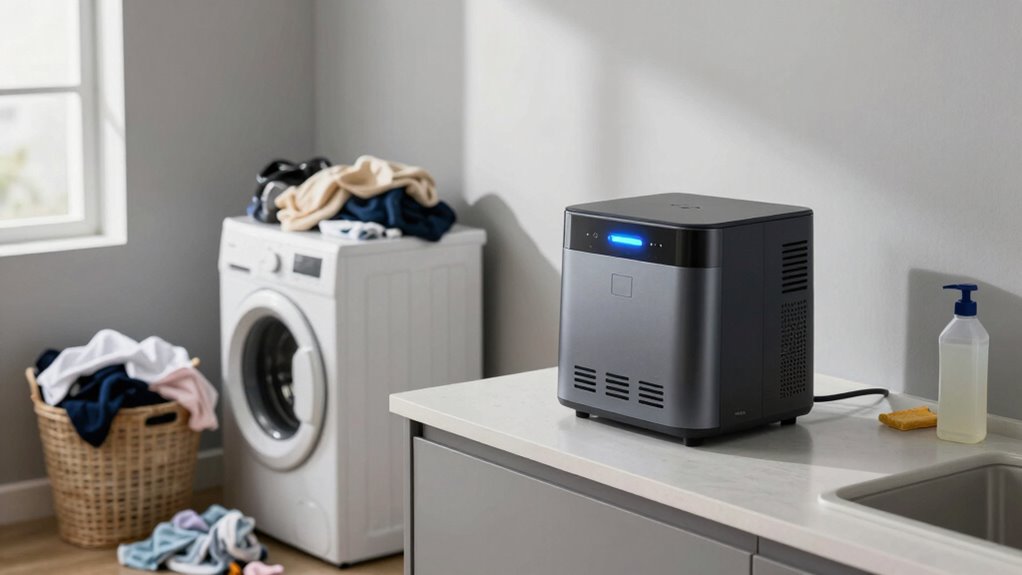
Ozone systems can be powerful tools for purifying air and water, but they’re only effective if used correctly. If you rely solely on an ozone system to improve your environment, you might be setting yourself up for disappointment. These systems can markedly enhance air quality when used properly, but they don’t address the root causes of poor conditions. Your routine habits play a vital role in maintaining a healthy space. Without making conscious changes to your daily behaviors, even the best ozone system will struggle to deliver lasting results.
When it comes to air quality, ozone systems can neutralize odors, bacteria, and mold. They do this by generating ozone molecules that react with pollutants, breaking them down into less harmful substances. However, if your routine habits include smoking indoors, neglecting regular cleaning, or allowing clutter to accumulate, these actions continuously introduce new pollutants into your environment. An ozone generator can temporarily reduce smells or airborne germs, but it won’t compensate for ongoing indoor pollution caused by your habits. To truly improve air quality, you need to combine ozone use with consistent cleaning, proper ventilation, and lifestyle adjustments. Indoor pollution sources significantly influence the overall effectiveness of ozone treatment.
Many people mistakenly believe that turning on an ozone system is enough to keep their space clean and healthy. While it’s a useful tool, it shouldn’t replace good routine habits. For instance, neglecting routine cleaning sessions allows dust, pet dander, and other allergens to build up, which ozone alone won’t eliminate. Similarly, poor ventilation habits—like keeping windows closed during bad air days—can trap pollutants indoors, making ozone treatments less effective. Your habits around cleanliness, ventilation, and even personal routines directly influence how well an ozone system can work. Without addressing these, the system becomes a band-aid rather than a solution. Regularly maintaining your environment and indoor air quality practices is crucial for maximizing ozone benefits.
Ultimately, ozone systems are most effective when integrated into a thorough approach that includes good routine habits. Regular cleaning, proper air exchange, and mindful choices about indoor activities are essential. Think of the ozone system as a helper rather than a cure-all. It can improve air quality temporarily, but lasting results depend on you establishing routines that minimize pollution sources. If you ignore your habits, the system’s benefits will be limited, and you may find yourself constantly fighting an uphill battle. To create a healthier environment, use ozone systems wisely—paired with proactive routines that promote cleaner air and water every day. Incorporating ventilation strategies can significantly boost the effectiveness of your efforts. Additionally, understanding biodiversity and its role in maintaining a balanced indoor environment can further enhance your efforts to sustain healthier living spaces.
air purifier with ozone generator
As an affiliate, we earn on qualifying purchases.
As an affiliate, we earn on qualifying purchases.
Frequently Asked Questions
Can Ozone Systems Eliminate All Indoor Odors Permanently?
Ozone systems can’t eliminate all indoor odors permanently. They work by creating chemical reactions that break down odor molecules, but this process is temporary. If you don’t address the source of the smell, new odor molecules will continue to form. So, while ozone can considerably reduce odors, it’s essential to maintain good routines and eliminate the root causes for lasting freshness.
How Often Should Ozone Systems Be Used for Optimal Results?
Did you know that improper ozone concentration and overuse can cause health issues? You should use ozone systems about once a week for ideal results, ensuring the ozone concentration stays within safe levels. Adjust the usage frequency based on the severity of odors and ventilation. Regular, controlled use helps maintain fresh indoor air without risking overexposure, making your environment safer and more pleasant.
Are Ozone Systems Safe for Pets and Children?
Ozone systems can be safe for pets and children when you follow proper safety precautions. During ozone treatment, guarantee no one is in the room, and ventilate thoroughly afterward. They improve air quality by removing pollutants, but overuse can pose risks. Always read manufacturer instructions, use in well-ventilated spaces, and wait before re-entering. Prioritizing safety precautions helps protect your loved ones while benefiting from cleaner air.
Do Ozone Systems Require Professional Installation?
Ozone systems generally require professional installation, especially to guarantee safety and proper function. While DIY installation might seem tempting to save on costs, it can lead to improper setup and potential hazards. Consider cost considerations carefully; professional installation often costs more upfront but guarantees correct installation and safety. If you choose to install it yourself, thoroughly follow manufacturer instructions and prioritize safety measures to avoid risks to your household.
Can Ozone Systems Damage Electronic Devices or Furniture?
Yes, ozone systems can pose risks to electronics safety and furniture concerns if not used properly. You might not notice initially, but high ozone levels can degrade rubber, plastic, and even damage sensitive electronic components over time. Keep your devices and furniture safe by following manufacturer instructions, ensuring proper ventilation, and avoiding direct exposure. Proper precautions prevent potential damage and help you enjoy the benefits without worry.
As an affiliate, we earn on qualifying purchases.
Conclusion
While ozone systems can boost your cleaning routine, they won’t fix habits like neglecting regular maintenance or rushing through chores. Imagine relying solely on technology, thinking it’ll solve all problems, only to find stubborn grime and missed spots. To truly improve your space, you need consistent effort and good routines. Ozone systems are just a tool—your best results come from combining them with mindful, regular cleaning habits. Don’t depend on tech alone; stay committed to the process.
As an affiliate, we earn on qualifying purchases.
As an affiliate, we earn on qualifying purchases.