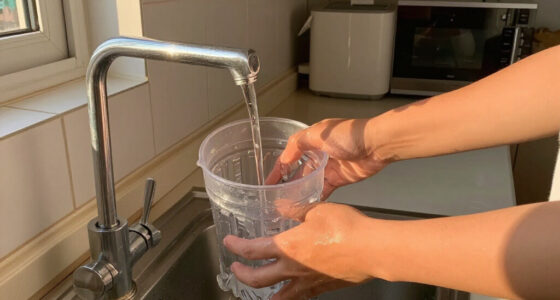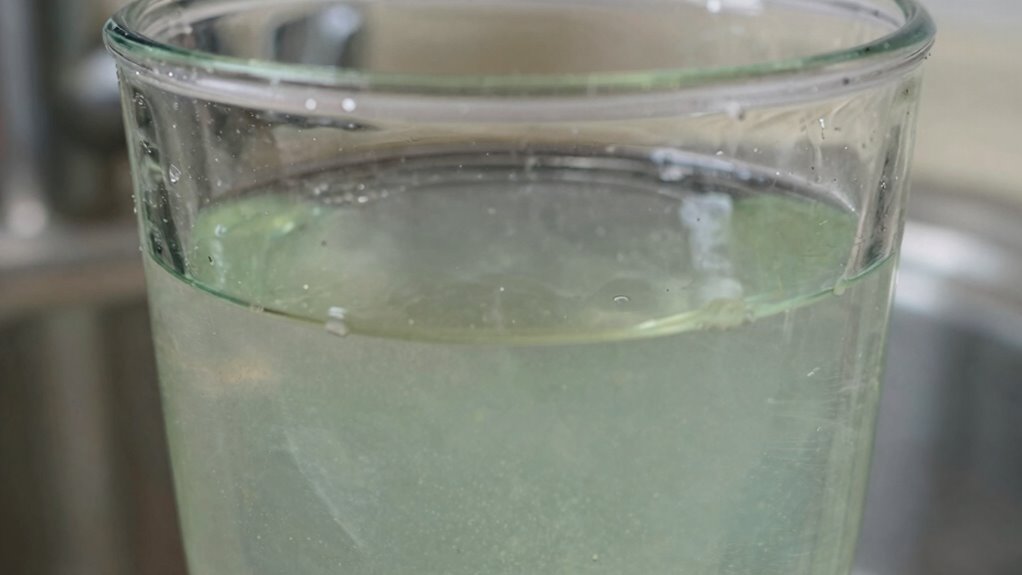

If your water smells like rotten eggs, it’s likely caused by bacteria producing hydrogen sulfide, which may just need cleaning or filtration. A fishy or muddy odor often indicates iron or manganese, usually from natural sources or bacterial activity. Bleach or chemical smells suggest high chlorination or chemical contamination, requiring specialized filtration. Recognizing these odors helps you identify potential problems early. Keep exploring to understand what your water smells could mean and how to fix it effectively.

Get home appliances delivered free — and shop member deals
- Fast, free delivery on millions of items
- Access to Prime Big Deal Days deals on October 6–7
- Prime Video, Amazon Music and more included
Key Takeaways
- Rotten egg or sulfur smell indicates bacteria producing hydrogen sulfide, often needing cleaning or filtration.
- Fishy or muddy odors suggest metals like iron or manganese, usually harmless but may require testing and treatment.
- Bleach or chemical smells point to over-chlorination or chemical contamination, needing targeted filtration.
- Unusual odors serve as early warnings for water quality issues, prompting testing and household maintenance.
- Regular testing and proper filtration ensure water safety and help identify natural or environmental contamination sources.
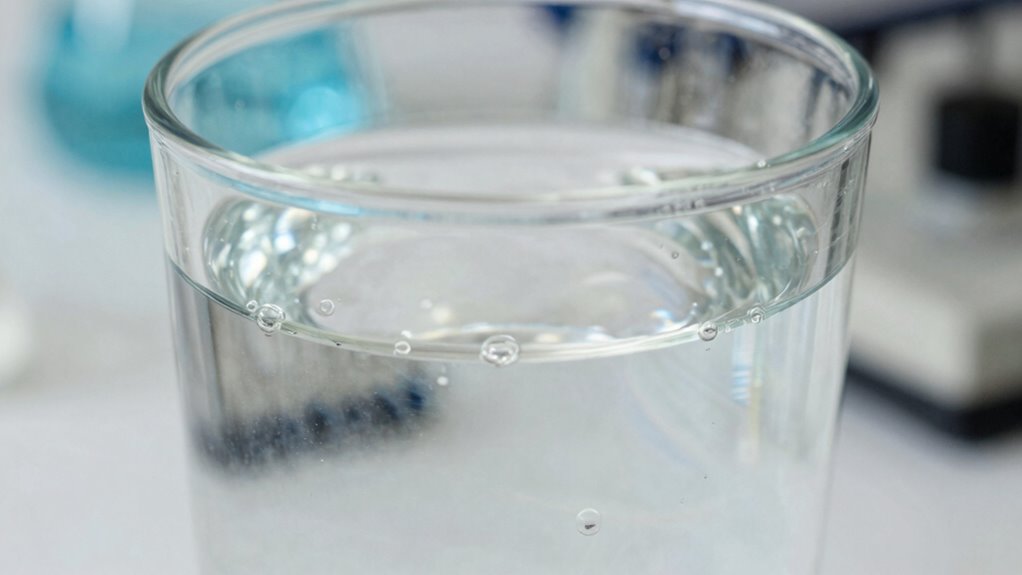
Have you ever wondered if your water smells clean and safe? It’s a common concern, especially when you notice a strange odor coming from your tap. The smell test is a simple way to gauge water purity and determine whether your household maintenance routines need a closer look. A foul or unusual smell isn’t just unpleasant—it can indicate underlying issues with your water supply that might affect your health or indicate contamination. Recognizing what different odors mean can help you take swift action to ensure your water remains safe to drink and use.
If your water smells like rotten eggs or sulfur, it’s often caused by bacteria that produce hydrogen sulfide gas. This isn’t usually a sign of dangerous contamination, but it does suggest that your well or plumbing system might need a cleaning or treatment. Sometimes, this smell can develop from natural decay of organic material or from corroding pipes. Regular household maintenance, such as flushing your system or installing a filtration system, can usually eliminate or reduce this odor. However, if the smell persists or worsens, it’s worth testing your water for bacteria and other contaminants to confirm safety. Being aware of water quality indicators can help you better understand potential issues and take appropriate action.
A fishy or muddy odor can be more alarming, often pointing to the presence of certain metals like iron or manganese. These minerals aren’t necessarily harmful in small amounts, but their presence can alter the taste and smell of your water, making it unpleasant to use. In some cases, the smell could be linked to bacterial growth that feeds on these minerals, which might require specific water treatment solutions. Proper household maintenance, including regular filter changes and water testing, can help manage these issues and improve water quality. Additionally, understanding biodiversity in your local environment can help identify natural sources of these minerals and guide appropriate treatment options. It’s also helpful to understand the sources of mineral contamination to better address recurring problems.
A bleach or chemical smell is another sign that your water might be contaminated or heavily chlorinated. While chlorination is a common method to disinfect water, an overpowering chemical smell suggests the levels might be higher than they should be, especially if you notice the smell after routine treatment. It can also mean that your water is contaminated with other chemicals or pollutants. In this case, using a good water filtration system tailored to remove chemicals can help. Regular household maintenance, including flushing your system and testing your water, ensures that your supply remains safe and free from harmful substances. Being aware of water treatment methods can help you select the most effective solutions for your specific needs.
In every case, paying attention to unusual water odors is vital. They serve as early warning signs that your water quality might be compromised, prompting necessary household maintenance and testing. By staying vigilant, you can protect your health and ensure that your water stays clean, safe, and refreshing every day.
water filter for hydrogen sulfide removal
As an affiliate, we earn on qualifying purchases.
As an affiliate, we earn on qualifying purchases.
Frequently Asked Questions
Can I Drink Water With a Strange Odor Safely?
No, you shouldn’t drink water with a strange odor. It could indicate contamination or unusual odor sources that may pose health risks. You need to conduct water testing to identify the cause of the odor. Don’t ignore persistent or strong smells; they can signal issues like bacteria, chemicals, or organic matter. Until you determine the safety, it’s best to find an alternative water source or use filters.
How Often Should I Test My Water for Odors?
You should test your water for odors at least once a year, especially if you notice any changes in taste or smell. Regular testing helps you stay ahead of water quality issues caused by odor sources like bacteria, chemicals, or organic matter. While some odors may be harmless, persistent or unusual smells can indicate contamination. Staying vigilant guarantees your water remains safe, clean, and free of unpleasant odors.
Do Odor Problems Indicate Contaminated Water?
Odor problems often indicate water contamination, but they don’t always mean your water is unsafe. Various odor sources, like sulfur or organic matter, can cause these smells without harmful contamination. However, persistent or foul odors should prompt you to test your water for contaminants. Regular testing helps identify potential issues early, ensuring your water remains safe and clean. Don’t ignore unusual odors—they can be a sign to investigate further.
Can Household Filters Remove All Water Odors?
Household filters can considerably reduce many water odors, but they might not eliminate all, depending on the odor causes. Water filtration systems target common sources like sulfur or chlorine, yet some odors originate from contaminants or mineral imbalances that require specialized treatment. Investigate your water’s specific odor issues to choose the right filter, ensuring it effectively addresses the underlying causes rather than just masking the smell.
What Steps Should I Take if Water Smells Bad?
If your water smells bad, start by identifying odor causes, like sulfur or organic matter. Use water filtration systems designed to target specific odors, such as activated carbon filters. Run the water for a few minutes to clear any stagnant water. If odors persist, consider testing your water quality or consulting a professional. Regular maintenance of your filtration system helps keep your water fresh and odor-free.
iron and manganese water treatment filter
As an affiliate, we earn on qualifying purchases.
As an affiliate, we earn on qualifying purchases.
Conclusion
When your water smells off, trust your senses—don’t ignore that warning sign. Think of your water as a map, guiding you through potential issues beneath the surface. If you detect odd odors, it’s time to act, to investigate, to protect your health and peace of mind. Remember, your water’s scent isn’t just a fleeting note—it’s a melody revealing hidden troubles. Listen closely, and take the steps needed to keep your water pure and safe.
water testing kit for contaminants
As an affiliate, we earn on qualifying purchases.
As an affiliate, we earn on qualifying purchases.
household water filtration system
As an affiliate, we earn on qualifying purchases.
As an affiliate, we earn on qualifying purchases.
Fall yard work Picks
leaf blowers
As an affiliate, we earn on qualifying purchases.