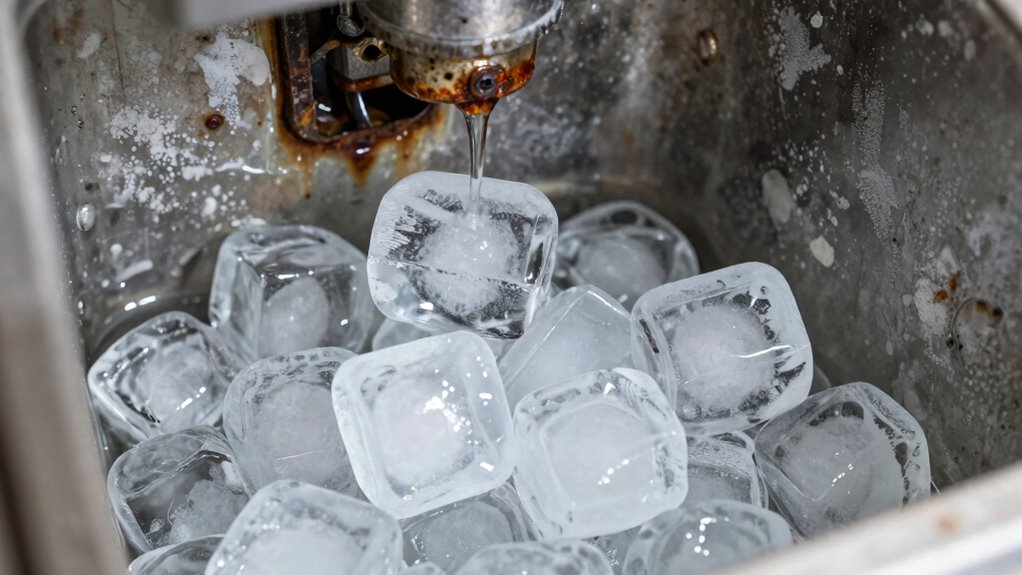

You need to clean your ice machine more thoroughly than you might think because buildup of minerals, bacteria, and mold can quickly affect ice quality and safety. Poor cleaning leads to cloudy, bad-tasting ice and can cause equipment failure over time. Regular maintenance helps prevent these issues, extends the machine’s life, and saves you money. Keep in mind, the deeper you go with cleaning practices, the better your results will be—there’s more to discover with continued attention.

Get home appliances delivered free — and shop member deals
- Fast, free delivery on millions of items
- Access to Prime Big Deal Days deals on October 6–7
- Prime Video, Amazon Music and more included
Key Takeaways
- Hidden mineral deposits and bacteria can accumulate rapidly, compromising ice quality and safety if not thoroughly cleaned.
- Regular cleaning prevents mold growth and bacterial buildup that are often overlooked in routine maintenance.
- Poor cleaning allows scale and impurities to impair machine efficiency, increasing energy costs and risking breakdowns.
- Inadequate cleaning can lead to silent contamination, affecting taste and potentially causing health issues.
- Deep cleaning and proper filtration maintenance extend equipment lifespan and ensure consistent, high-quality ice production.
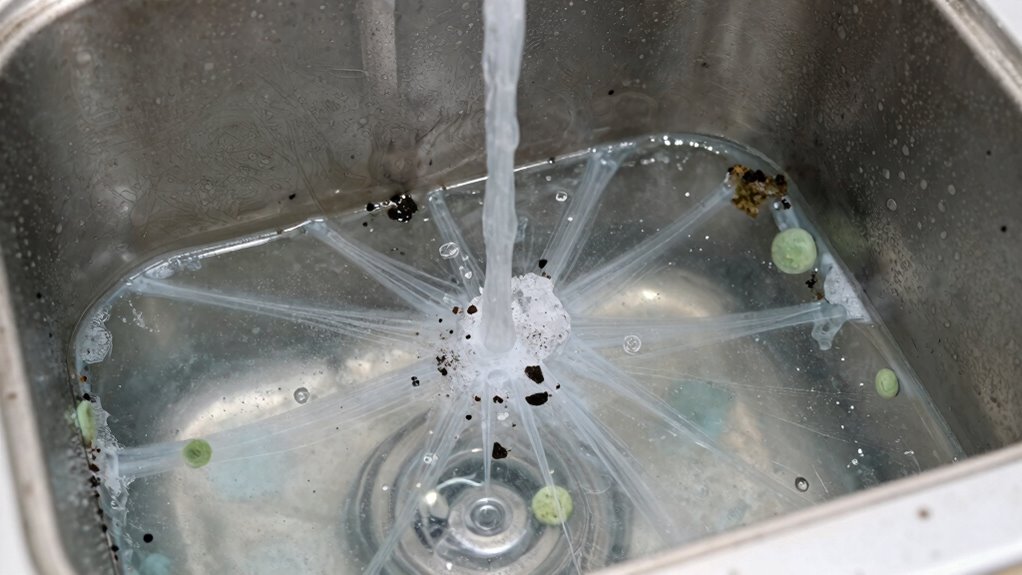
Have you ever wondered why your ice tastes off or why your machine isn’t working as efficiently as it should? The answer often lies in the buildup of mineral deposits, bacteria, and mold inside your ice machine. Regular cleaning isn’t just about keeping things looking tidy; it’s about ensuring the quality of your ice and the longevity of your equipment. One critical aspect often overlooked is water filtration. Using clean, filtered water can significantly reduce mineral buildup and impurities that compromise ice clarity and taste. Without proper filtration, your machine is more prone to scaling, which hampers its efficiency and makes cleaning more difficult over time. When you neglect water filtration, you’re allowing deposits to accumulate faster, forcing your machine to work harder and increasing the risk of breakdowns. Proper maintenance and understanding of AI and automation can also help optimize cleaning schedules and techniques for better results. Regularly monitoring water quality is essential, as untreated water can accelerate the formation of mineral deposits and bacteria, further stressing your equipment.
Machine maintenance plays a crucial role in keeping your ice machine functioning properly. Routine cleaning should be part of your regular maintenance schedule. If you skip or delay cleaning, you risk bacteria and mold growing inside the unit, which can contaminate your ice and pose health risks. Plus, the more build-up you have inside, the harder it becomes to clean thoroughly later. Proper maintenance involves not just cleaning the interior components but also inspecting parts like water filters, condenser coils, and ice molds. When these parts are maintained well, your machine runs more efficiently, consumes less energy, and produces clearer, better-tasting ice. Additionally, understanding water quality and its impact on equipment longevity can help you tailor your maintenance practices to prevent common issues. Regular water testing can identify potential problems early, saving you money and time on repairs. Maintaining optimal water quality reduces the likelihood of costly repairs and extends the lifespan of your machine.
Many people underestimate how often they should clean their ice machines. Bacteria and mineral deposits don’t just sit on surfaces; they can spread quickly throughout the system if left unchecked. That’s why a good cleaning routine includes sanitizing all internal parts using appropriate cleaning solutions. Additionally, replacing water filters regularly ensures that your water filtration system continues to do its job effectively. Clean water reduces mineral scaling and helps prevent mold growth, which can otherwise silently develop and compromise both ice quality and machine performance. Remember, a well-maintained machine isn’t just about aesthetics; it’s about safety, efficiency, and cost savings in the long run. Regular inspections and timely replacements of filters and parts are crucial for maintaining optimal water filtration and preventing issues before they arise.
As an affiliate, we earn on qualifying purchases.
Frequently Asked Questions
How Often Should I Clean My Ice Machine?
You should clean your ice machine at least every 3 to 6 months for proper ice machine maintenance. Regular cleaning helps prevent bacteria buildup, mineral deposits, and mold, which can affect ice quality and machine performance. If your usage is high or you notice cloudiness or odors, increase the cleaning frequency. Consistent maintenance guarantees your ice stays clean and your machine runs efficiently, saving you money and extending its lifespan.
Can I Use Bleach to Clean My Ice Machine?
Using bleach to clean your ice machine is like trying to fix a delicate watch with a sledgehammer—it’s not the safest choice. Bleach safety is vital, as it can leave harmful residues if not thoroughly rinsed. Stick to manufacturer-recommended cleaning solutions, especially considering cleaning frequency, to keep your machine safe and spotless. Regular, proper cleaning prevents bacteria buildup and keeps your ice fresh and clean.
What Signs Indicate My Ice Machine Needs Cleaning?
You’ll notice your ice machine needs cleaning if you see cloudiness or a strange odor, which can indicate bacteria and mold growth. Slimy buildup or ice that tastes off are also signs. Regular cleaning prevents bacteria build-up and mold growth, ensuring your ice stays fresh and safe. If you observe any of these signs, it’s time to clean your machine thoroughly to maintain hygiene and ice quality.
Are There Eco-Friendly Cleaning Options Available?
Yes, eco-friendly cleaning options are available for your ice machine. You can use biodegradable detergents that break down naturally without harming the environment. Natural disinfectants like vinegar or hydrogen peroxide are effective alternatives to chemical cleaners. These options guarantee your machine stays sanitary while reducing your ecological footprint. Regularly using eco-friendly products not only keeps your ice clean but also supports sustainability efforts.
How Do Mineral Deposits Affect Ice Quality?
Mineral buildup in your ice machine can substantially affect ice quality by making the ice cloudy and less clear. These deposits clog the system, leading to poor ice clarity and potentially affecting taste. As minerals accumulate, they hinder the freezing process, resulting in uneven, less appealing ice. Regular cleaning helps prevent mineral buildup, ensuring your ice remains clear, fresh, and of high quality, which is essential for both safety and customer satisfaction.
ice machine water filter replacement
As an affiliate, we earn on qualifying purchases.
As an affiliate, we earn on qualifying purchases.
Conclusion
Just like a garden needs regular tending to stay healthy, your ice machine demands consistent cleaning to keep it safe and efficient. Neglecting it is like ignoring weeds in your yard—things quickly get out of control. By giving your machine proper care, you guarantee every cube is pure and invigorating. Don’t let dirt and bacteria build up; treat your ice machine like a trusted friend, and it’ll serve you well, crystal clear and ready whenever you need it.
As an affiliate, we earn on qualifying purchases.
As an affiliate, we earn on qualifying purchases.
NFL season / tailgating Picks
team gear
As an affiliate, we earn on qualifying purchases.