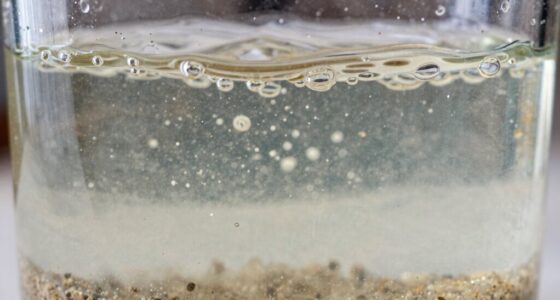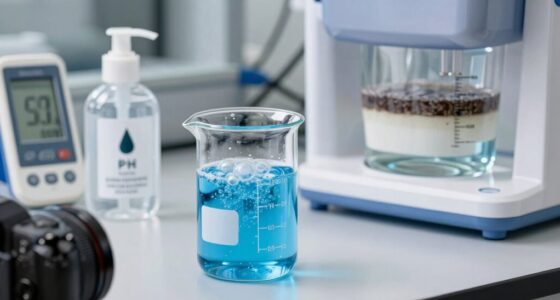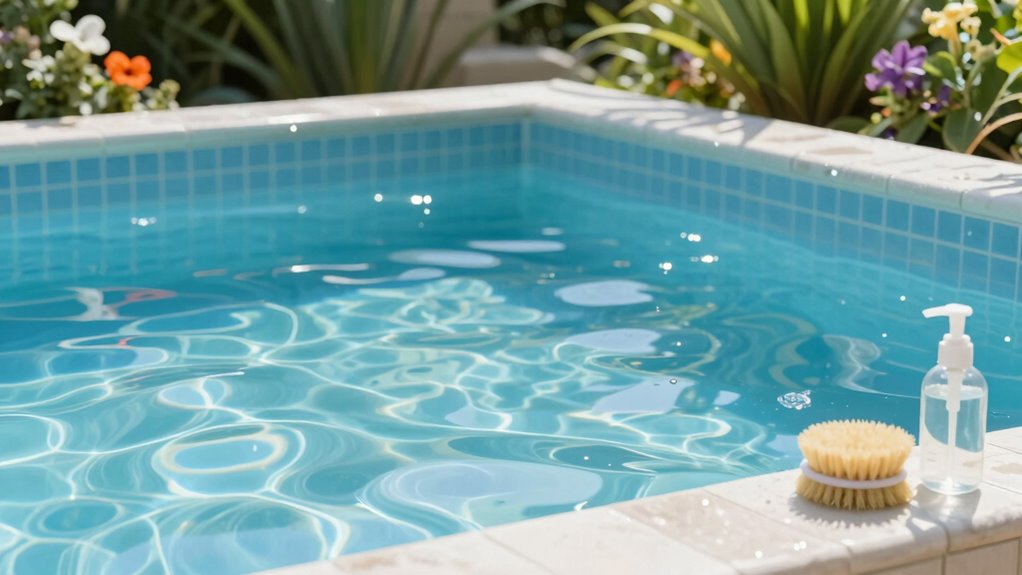

To keep your cold plunge looking clean between full maintenance, skim the surface daily with a pool net or skimmer to remove leaves and insects. Check the water regularly with test strips or digital testers to guarantee chemical balance, adjusting sanitizer and pH levels as needed. Run the circulation pump a few hours each day to evenly distribute chemicals and prevent stagnation. Consistent surface cleaning and testing help maintain clarity and odor-free water—you’ll discover even more tips to keep it pristine with what’s coming up.

Get home appliances delivered free — and shop member deals
- Fast, free delivery on millions of items
- Access to Prime Big Deal Days deals on October 6–7
- Prime Video, Amazon Music and more included
Key Takeaways
- Skim the surface daily to remove leaves, insects, and debris with a pool net or skimmer.
- Run the circulation pump or jets for a few hours each day to distribute chemicals evenly.
- Cover the plunge when not in use to prevent debris entry and reduce evaporation.
- Test water regularly and adjust chemicals to maintain proper pH and sanitizer levels.
- Clean or replace the filter as needed to prevent cloudiness and odor buildup.
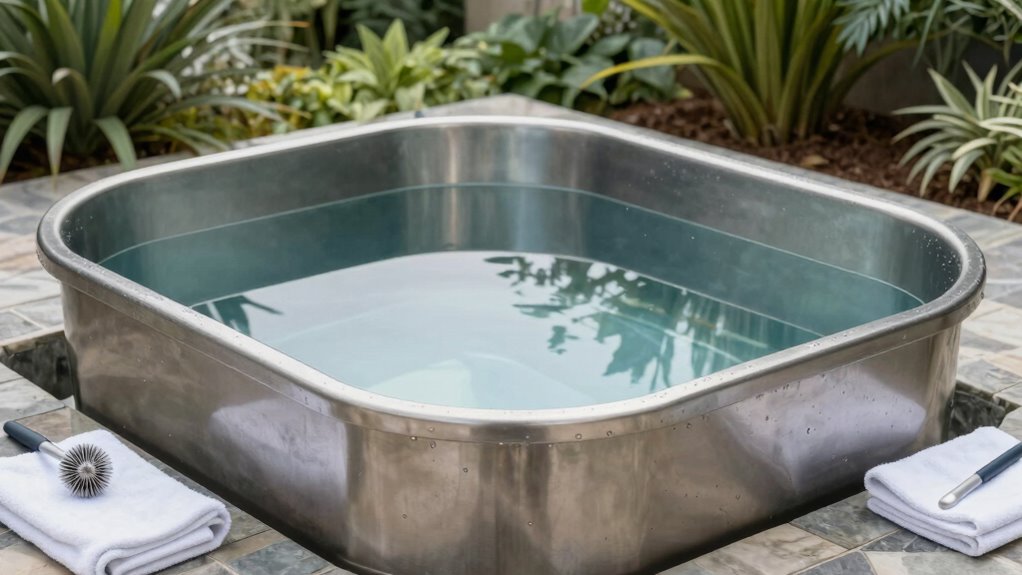
A cold plunge can be a revitalizing addition to your wellness routine, but keeping it looking clean requires regular maintenance. To guarantee it stays fresh and inviting, paying attention to water filtration and chemical balance is essential. Water filtration helps remove debris, dirt, and bacteria that can cloud the water or create unpleasant odors. You should regularly check and clean the filter according to the manufacturer’s instructions, replacing it when necessary. A clean filter prevents buildup and keeps the water clear, reducing the need for frequent chemical adjustments.
Maintaining the chemical balance is equally important for keeping your cold plunge clean and safe. Proper pH levels, alkalinity, and sanitizer levels prevent algae growth and bacteria buildup. Test the water at least once a week using test strips or a digital kit, and adjust the chemicals accordingly. Keep the pH between 7.2 and 7.8 to minimize corrosion and scale formation on the surfaces, while ensuring the sanitizer, like chlorine or bromine, remains at the recommended level. This balance not only keeps the water safe but also prolongs the life of your plunge.
Between full maintenance days, simple steps can help sustain water quality and cleanliness. Skim the surface regularly to remove leaves, insects, or other floating debris. Using a pool net or skimmer is quick and effective. Running the jet system or circulation pump daily for a few hours helps circulate the water, ensuring even distribution of chemicals and preventing stagnation. This circulation also helps push debris toward the filter, making it easier to catch and remove. Regular water testing can also help you detect imbalances early and address them before they become bigger issues.
To further prevent dirt and algae from accumulating, keep the plunge covered when not in use. A cover minimizes debris falling in and reduces evaporation, which can concentrate chemicals and throw off the chemical balance. If your cold plunge has a drain plug, consider draining a small amount of water and refilling with fresh water periodically—about once a month—to dilute any accumulated contaminants. Additionally, understanding water chemistry can help you better maintain optimal conditions and extend the lifespan of your plunge.
Finally, always be attentive to the water’s clarity and smell. If you notice murkiness or foul odors, it’s a sign you need to do a more thorough cleaning or check the chemical levels. Quick daily maintenance combined with regular water filtration and chemical adjustments can keep your cold plunge looking clear and inviting, making each dip refreshingly clean and enjoyable.
As an affiliate, we earn on qualifying purchases.
Frequently Asked Questions
How Often Should I Change the Water in My Cold Plunge?
You should change the water in your cold plunge every 1 to 3 months, depending on usage. Regular water filtration and chemical balancing help keep the water clean and fresh between full drainings. Check your filters regularly and replace or clean them as needed. Maintain proper chemical levels to prevent bacteria growth. This routine guarantees your cold plunge stays hygienic and inviting, reducing the need for frequent water changes.
Can I Use Household Cleaning Products to Maintain Cleanliness?
You shouldn’t use household cleaners in your cold plunge, as they can damage the pool’s surfaces and leave harmful residues. Instead, stick to gentle, non-abrasive cleaning methods and maintain a consistent cleaning frequency to keep it hygienic. Regularly skimming debris and disinfecting with appropriate products ensures your cold plunge stays clean between full maintenance days. Avoid harsh chemicals to preserve the longevity and safety of your cold plunge.
What Are Signs My Cold Plunge Needs Immediate Cleaning?
Is your cold plunge whispering for help? If you notice murky water, a foul odor, or visible debris, it’s time for immediate cleaning. Poor water circulation and low sanitizer levels can turn your plunge into a breeding ground for bacteria. Keep an eye on these signs, and act swiftly to restore clarity and freshness. Regular checks guarantee your plunge stays inviting and safe for every dip.
Is It Safe to Use a Cover Between Maintenance Days?
Yes, using a cover between maintenance days is safe and beneficial. Choose a cover with good durability to withstand daily use and outdoor conditions. It helps maintain the plunge’s temperature regulation by trapping heat and preventing debris from falling in. Make sure the cover fits snugly to protect against dirt, leaves, and insects, keeping your cold plunge cleaner and ready for use while extending the time between full cleanings.
How Do I Prevent Algae Buildup in My Cold Plunge?
To prevent algae buildup in your cold plunge, focus on effective algae prevention strategies and guarantee proper water circulation. Regularly run the pump to keep water moving, which discourages algae growth. Use a suitable algaecide or sanitizer as recommended, and maintain proper pH levels. Cover your plunge between uses to minimize debris and sunlight exposure, both of which can promote algae. Consistent maintenance helps keep your cold plunge clean and algae-free.
As an affiliate, we earn on qualifying purchases.
Conclusion
To keep your cold plunge looking fresh between full cleanings, stay consistent with quick daily rinses and skimming off debris. Believe it or not, some swear by adding a small amount of baking soda to balance pH levels and prevent buildup, though scientific evidence is limited. Regular maintenance not only extends the life of your plunge but also guarantees a hygienic, inviting experience each time you immerse yourself—making your routine both simple and effective.
As an affiliate, we earn on qualifying purchases.
As an affiliate, we earn on qualifying purchases.
Fall yard work Picks
leaf blowers
As an affiliate, we earn on qualifying purchases.