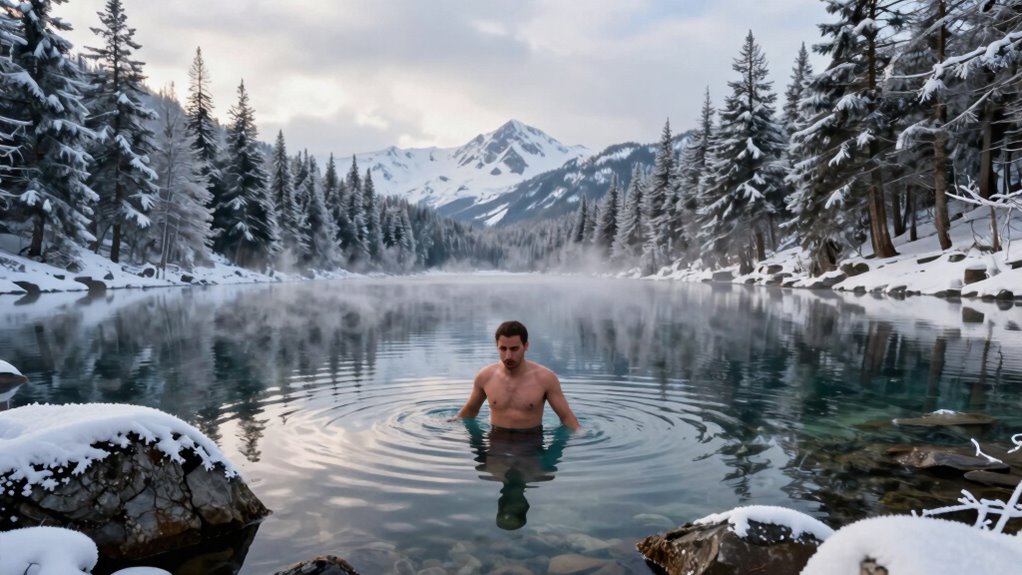

A “real” cold plunge typically involves immersing yourself in water between 50°F and 59°F (10°C to 15°C). Staying within this range triggers the desired health benefits, like improved circulation and recovery, while minimizing risks like shock or hypothermia. It’s important to control the temperature carefully for safety and effectiveness. If you want to know how to make your cold plunge safe and beneficial, keep exploring the details below.

Get home appliances delivered free with Prime
- Fast, free delivery on millions of items
- Prime Video, Amazon Music and more included
- Member-only deals all year
Key Takeaways
- A “real” cold plunge typically ranges from 50°F to 59°F (10°C to 15°C).
- Temperatures below 50°F are considered extreme and may increase health risks.
- Staying within the recommended range maximizes benefits like circulation and recovery.
- Proper temperature control ensures safety and prevents hypothermia or shock.
- The definition varies based on intended health outcomes, but generally involves submersion in cold water within this range.
cold plunge water temperature thermometer
As an affiliate, we earn on qualifying purchases.
As an affiliate, we earn on qualifying purchases.
What Is a Cold Plunge and What Temperatures Are Typical?
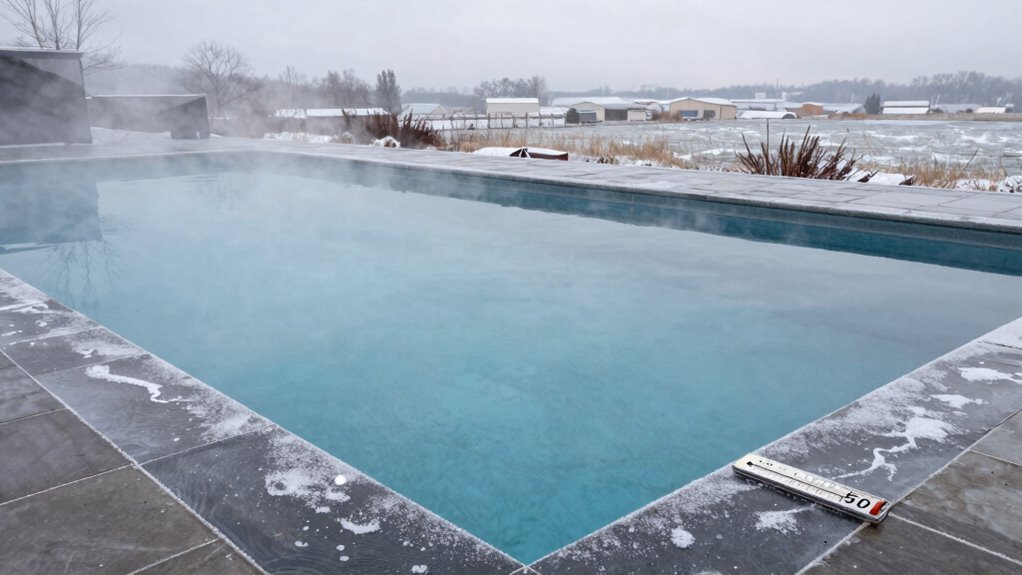
A cold plunge involves immersing your body in water that is considerably colder than typical swimming pools. Many people believe cold water myths, like the idea that any icy water qualifies as a “cold plunge,” but temperature matters. Generally, a true cold plunge ranges from 50°F to 59°F (10°C to 15°C). However, plunge temperature variability can be significant depending on the source and environment. Some setups may be slightly warmer or colder, but staying within this range ensures you’re experiencing the intended benefits. Your goal is to find water cold enough to stimulate circulation and recovery without risking discomfort or harm. Understanding temperature range concepts helps optimize your cold plunge experience by providing insights into natural and sustainable practices. Knowing the typical temperature helps you set safe, effective boundaries for your cold plunge experience, especially when considering energy-efficient methods that promote sustainability. Additionally, maintaining consistent temperatures can help prevent thermal shock, which can be dangerous.
cold plunge tub with temperature control
As an affiliate, we earn on qualifying purchases.
As an affiliate, we earn on qualifying purchases.
How Cold Is Too Cold? Risks and Safety Tips
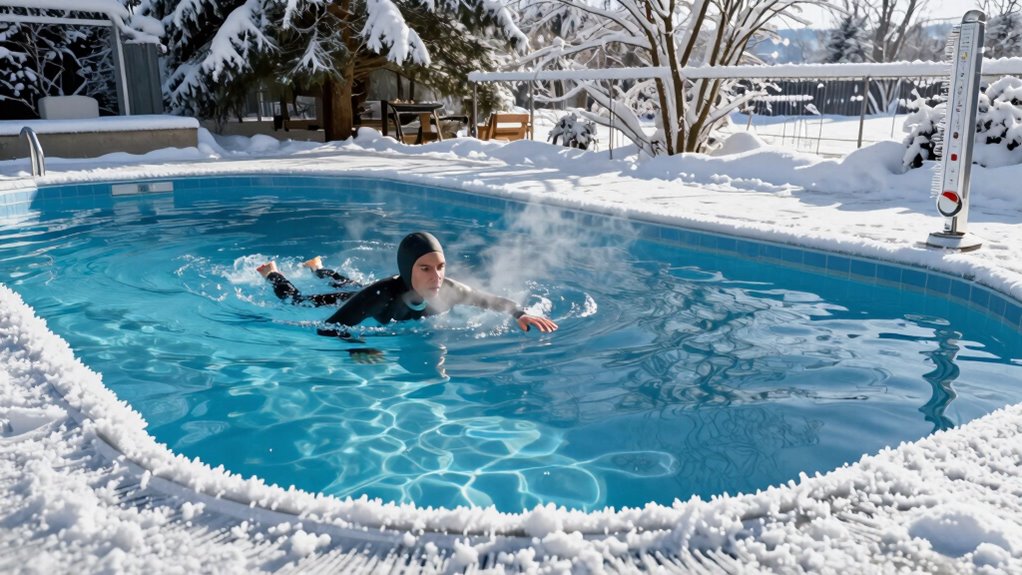
You need to be aware of the risks when exposing your body to extreme cold, such as cold shock and hypothermia. Recognizing early signs can help prevent serious health issues, especially if you’re new to cold plunges. Taking proper precautions guarantees you stay safe while enjoying the benefits of cold exposure. Understanding temperature ranges used in modern cold plunges can help you choose a safe and effective experience. Additionally, being aware of air quality considerations can influence your overall safety during cold immersion, especially in environments where air quality may impact respiratory health. Monitoring environmental factors can further enhance your safety and comfort during cold exposure sessions. Proper piercing care and hygiene can also prevent complications if you have any body piercings exposed to cold environments, ensuring they heal well and stay infection-free. Being mindful of temperature regulation techniques can help you optimize your cold plunge experience while minimizing potential risks.
Recognizing Cold Shock Risks
Understanding cold shock risks is crucial before plunging into icy water, as exposure to extreme cold can trigger sudden and dangerous physiological responses. Your body’s thermal regulation is disrupted during cold exposure, causing rapid breathing, increased heart rate, and potential panic. Recognizing these risks helps prevent accidents and injuries. Being aware of how cold is too cold can help you make safer choices and avoid unnecessary hazards. Additionally, knowing your personal cold tolerance can guide safer cold exposure practices. Monitoring water temperature and understanding cold shock symptoms can further aid in preventing cold-related injuries. Awareness of thermoregulation limits is essential for safe cold plunging.
Signs of Hypothermia
Recognizing the signs of hypothermia is essential to prevent serious health risks during cold plunges. Cold shock can trigger rapid breathing, dizziness, and an intense feeling of discomfort. If you notice shivering that worsens or becomes uncontrollable, it’s a clear sign your body is struggling to maintain temperature. Hypothermia symptoms include confusion, sluggishness, and slowed heart rate, which indicate your core temperature is dangerously low. You might also experience numbness, clumsiness, or difficulty speaking. If any of these signs appear, it’s vital to exit the water immediately and warm up gradually. Staying aware of energetic alignment and listening to your body’s signals can help prevent adverse effects. Understanding thermal regulation is key to maintaining safety and preventing hypothermia during cold exposure. When exposed to cold water, your body’s vasoconstriction response helps conserve heat, but prolonged exposure can overwhelm this process. Ignoring hypothermia symptoms can lead to severe health complications, so always stay alert to your body’s signals and prioritize safety during cold plunges. Maintaining proper body temperature balance is crucial for safe cold exposure practices. Additionally, being familiar with hypothermia prevention strategies can further reduce health risks.
Precautions for Beginners
For beginners, knowing how cold is too cold is crucial to avoid health risks. Start with controlled cold exposure techniques and ensure proper thermal insulation to prevent rapid heat loss. Here are three safety tips to keep in mind:
- Begin with water around 50-60°F (10-15°C) and gradually lower the temperature as your body adapts.
- Limit your initial sessions to 2-3 minutes, increasing duration cautiously over time.
- Always have a warm, dry towel or blanket nearby for quick rewarming if needed.
Understanding your body’s signals and avoiding overly cold water helps prevent hypothermia. Proper thermal insulation, like wearing a wetsuit or using insulated gear, can make cold plunges safer and more comfortable for beginners.
As an affiliate, we earn on qualifying purchases.
Why Do Cold Temperatures Help? The Science Behind Cold Plunge Benefits
Cold temperatures trigger your body’s natural survival response, activating mechanisms that can boost overall health. When you plunge into cold water, you experience a cold shock that stimulates your nervous system, prompting a rapid response. This triggers a thermogenic response, increasing heat production to maintain your core temperature. As your body reacts, blood vessels constrict, directing blood flow to essential organs, which helps reduce inflammation and promote recovery. The cold shock also releases endorphins, enhancing mood and reducing pain. These physiological reactions improve circulation, support immune function, and may even enhance mental clarity. By understanding how cold temperatures stimulate your body’s innate responses, you can see why cold plunges offer such powerful health benefits.
As an affiliate, we earn on qualifying purchases.
Finding Your Ideal Cold Plunge Temperature for Your Goals
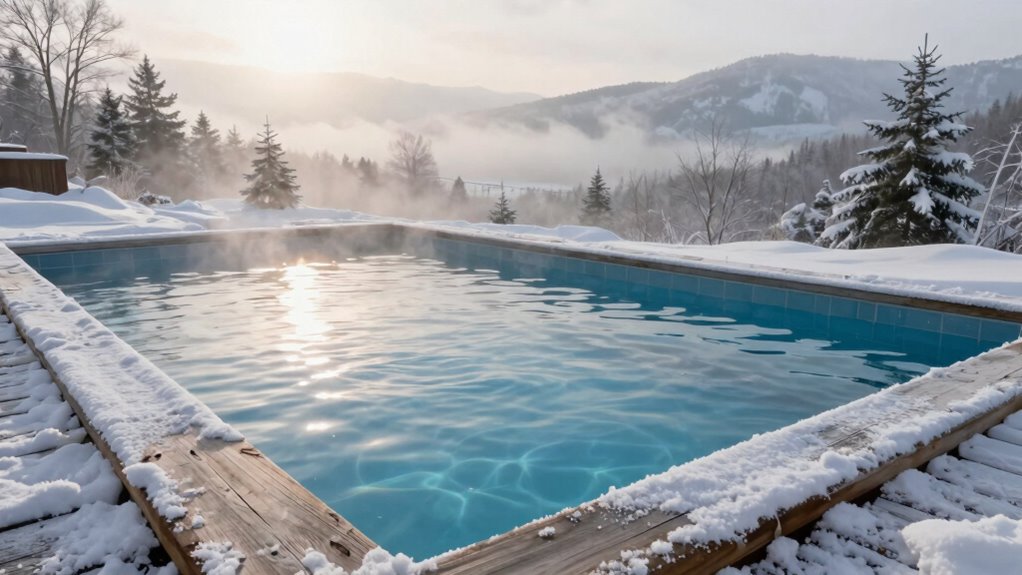
Choosing the right cold plunge temperature depends on your specific goals and how your body responds to cold exposure. If you’re seeking faster recovery, a slightly warmer plunge—around 50-60°F—might be best. For mental clarity and resilience, colder temps—around 40-50°F—are more effective. When warm weather makes hot springs tempting, adjusting your cold plunge to a manageable temperature is key. To help visualize your ideal temp:
- If you want quick muscle recovery, aim for 50-60°F.
- For mental toughness, try 40-50°F.
- If you’re used to hot springs, start slightly warmer before progressing to colder temps.
- Understanding your body’s cold adaptation can help you tailor your approach safely and effectively. Incorporating temperature regulation strategies can further optimize your experience and safety. Additionally, familiarizing yourself with recommended temperature ranges for different health outcomes can guide your choices more effectively.
Your body’s response guides your choice—listen to how it reacts and adapt accordingly. Finding the perfect balance keeps you safe and maximizes benefits. Enhancing website content can also help you better understand how to safely optimize your cold plunge experience, especially considering different temperature ranges for various health outcomes.
How Long Should You Stay in a Cold Plunge? Duration Tips
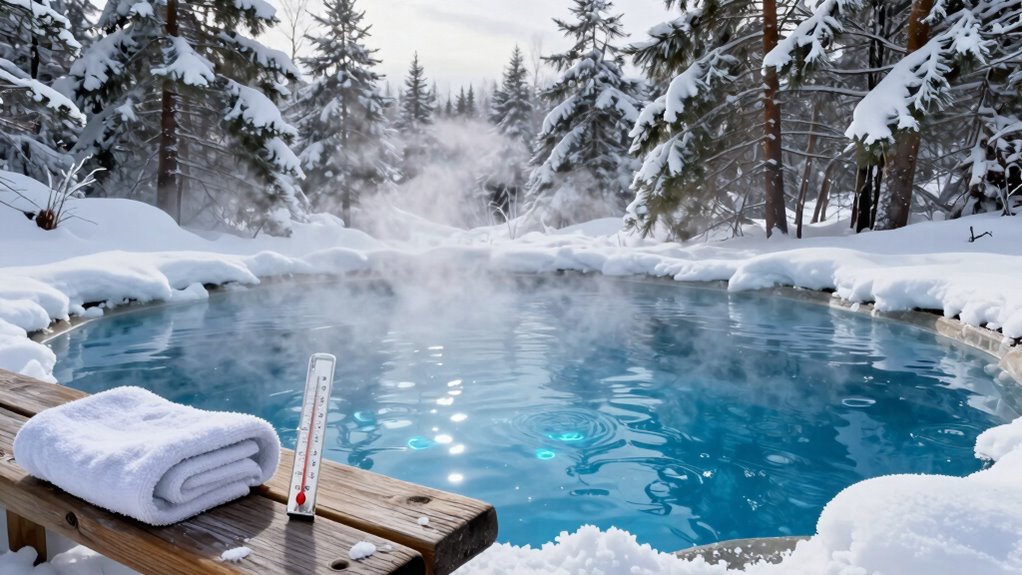
Knowing how long to stay in a cold plunge is essential for maximizing benefits and avoiding risks. If you push too long, you might experience dizziness or hypothermia, while staying too short may not boost your mental resilience or cold tolerance effectively. Typically, beginners should start with 1 to 3 minutes, gradually increasing as your body adapts. Focus on maintaining calm breathing to build mental resilience and improve your cold tolerance over time. Listen to your body; if you feel numbness or discomfort, it’s time to exit. Gradual exposure helps your body adapt safely and effectively. Additionally, understanding cold immersion guidelines can help you determine the safest duration for your experience. Consistency is key—short, regular sessions often yield better results than prolonged, infrequent dips. Remember, patience and gradual exposure help your body adapt safely and effectively.
Common Mistakes When Starting Cold Water Therapy
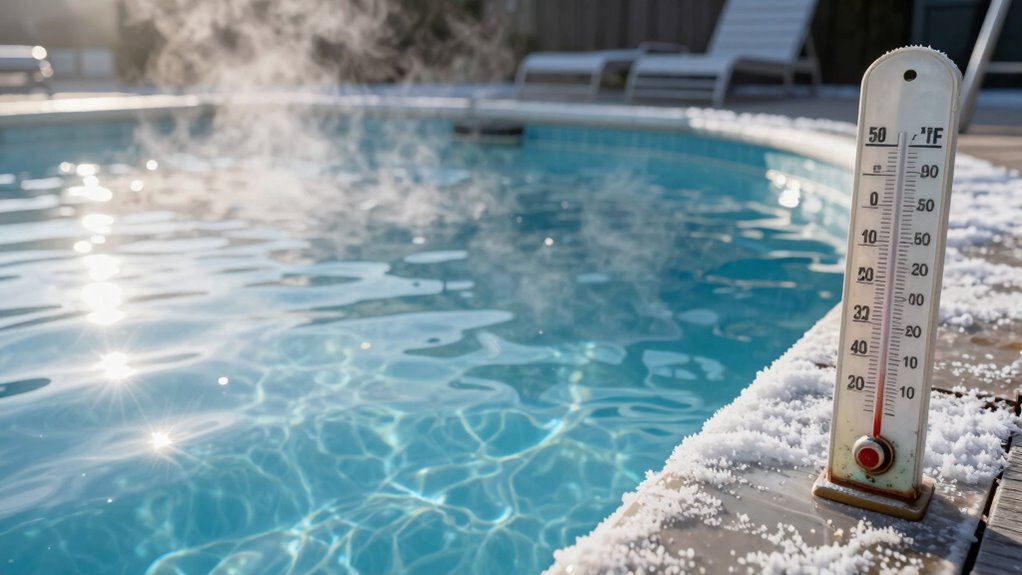
Many beginners overestimate their cold tolerance and push too hard too quickly. Ignoring gradual adaptation and safety precautions can lead to discomfort or injury. Being mindful of these common mistakes helps guarantee a safer, more effective cold water therapy experience.
Overestimating Cold Tolerance
When starting cold water therapy, it’s common to overestimate how well you’ll tolerate the cold, which can lead to discomfort or even injury. Your cold tolerance varies widely, and initial temperature perception can be misleading. To avoid setbacks, keep these points in mind:
- Assuming you’ll handle icy water without gradual exposure can cause shock.
- Underestimating how quickly your body reacts to lower temperatures may lead to hypothermia.
- Ignoring personal cues, like shivering or numbness, can result in pushing beyond safe limits.
Understanding your body’s response and listening to temperature perception helps prevent overconfidence. Remember, building cold tolerance takes time, and rushing in can undermine your progress or cause harm. Always prioritize safety and gradual adaptation over pushing limits too soon.
Ignoring Gradual Adaptation
Jumping straight into cold water without allowing your body to gradually adapt can lead to shock and increased injury risk. Ignoring the importance of gradual adaptation hampers your ability to build proper temperature tolerance over time. If you plunge in too quickly, your body may struggle to respond effectively, increasing discomfort and potential health hazards. To avoid this, start with shorter cold exposures and slowly increase the duration and coldness of your plunges. This process helps your body develop resilience and improves your overall tolerance to cold temperatures. Remember, patience is key. Building temperature tolerance gradually allows your body to adapt safely, reducing shock and making cold water therapy a sustainable part of your routine.
Neglecting Safety Precautions
Neglecting safety precautions can quickly turn cold water therapy into a dangerous activity. Many fall for cold water myths, believing they can handle extreme temperatures without risks. To stay safe, avoid these common mistakes:
- Jumping into icy water without a gradual warm-up or understanding your limits.
- Ignoring signs of hypothermia or shock, which can develop suddenly.
- Relying on temperature myths, like assuming colder is always better, without considering personal tolerance or health conditions.
Expert Tips for Safe and Effective Cold Plunges
To guarantee your cold plunge is both safe and effective, start by gradually easing into the experience. Remember, historical practices and cultural perceptions have shaped how people approach cold exposure, often emphasizing respect for the process. Listen to your body, avoid pushing too hard too fast, and stay within recommended temperature ranges. Always monitor your response and exit if you feel dizzy or uncomfortable. Use the following tips to enhance safety:
| Tip | How to Apply | Why It Matters |
|---|---|---|
| Start Slow | Begin with brief dips | Prevents shock |
| Warm Up Gradually | Use warm clothing afterward | Aids recovery |
| Know Your Limits | Don’t ignore discomfort | Ensures safety |
| Consult Experts | Follow professional advice | Maximizes benefits |
Frequently Asked Questions
How Often Should I Do Cold Plunges for Optimal Benefits?
You should aim for cold plunges about three to four times a week for ideal benefits. Stick to the recommended frequency guidelines to avoid overdoing it, which can lead to stress or injury. Keep your sessions short, around 3 to 5 minutes, to maximize recovery and circulation without overexposure. Consistency is key, so listen to your body and adjust the duration and frequency as needed for the best results.
Can Cold Plunges Help With Mental Health or Mood Improvement?
Diving into a cold plunge can be like awakening a dormant garden within your mind, sparking mental health benefits and mood enhancement. The shock awakens your nervous system, releasing endorphins that lift your spirits. Regular cold plunges help reduce stress and combat anxiety, turning mental fog into clarity. Embrace the chill, and you’ll find your emotional landscape refreshed, like a sunrise after a long, dark night.
Are There Specific Health Conditions That Contraindicate Cold Plunges?
If you have heart conditions or circulatory issues, cold plunges might not be safe for you. The cold shock can strain your heart and impair circulation, increasing risks like arrhythmias or blood vessel constriction. Always consult your healthcare provider before trying cold plunges, especially if you have underlying health concerns. It’s better to be cautious and avoid potential complications that cold exposure could trigger.
What Equipment Is Best for Maintaining Consistent Cold Plunge Temperatures?
You should invest in high-quality equipment like insulated tubs or temperature regulation systems to maintain consistent cold plunge temperatures. Look for devices with reliable temperature control features to guarantee precision, and prioritize durability to withstand frequent use and exposure to water. This way, you can enjoy your cold plunge experience without worrying about fluctuating temperatures or equipment failure, maximizing the benefits of your cold therapy routine.
How Does Water Temperature Affect Recovery Time After Workouts?
You might think colder water speeds up recovery, but surprisingly, water temperature actually influences recovery time through water conductivity and thermal conductivity. Cooler water reduces inflammation and muscle soreness, speeding recovery. Yet, if it’s too cold, your body works overtime to regulate temperature, delaying healing. So, finding the right balance—around 50-59°F—ensures efficient thermal conductivity, helping you recover faster without risking hypothermia.
Conclusion
So, now you know the “real” cold plunge isn’t about hitting Antarctica levels but about finding what works for you. Whether you chill at 50°F or dare to dip lower, just remember—safety first, bravado second. Don’t turn into a frozen pop just to impress your friends. Embrace the chill, stay smart, and enjoy the icy benefits without turning into a human popsicle. After all, being cold isn’t a contest—unless you’re aiming for the Guinness record!
Evergreen bestsellers Picks
bestsellers
As an affiliate, we earn on qualifying purchases.