
Infrared heat feels different because it warms your body directly through infrared waves, providing an immediate and natural sensation like sunlight. Unlike traditional heat that warms the air around you, infrared penetrates your skin and raises your temperature from the inside out. This creates a more comfortable, soothing experience without the dryness or stuffiness common with conventional systems. If you want to understand how this efficient warmth enhances your comfort, keep exploring the details behind infrared technology.
Key Takeaways
- Infrared heat transfers energy directly into the skin, providing immediate and natural warmth, unlike traditional systems that warm the air first.
- It heats the body from the inside out, mimicking natural sunlight, resulting in a more comfortable and soothing sensation.
- Infrared warmth feels more intense initially but is experienced as gentle and even, reducing dryness and stale air issues.
- Traditional heaters rely on convection or radiation, which can create dry, stuffy environments, unlike infrared’s healthier air quality.
- Infrared systems are more targeted and efficient, delivering warmth precisely where needed without excessive energy use.
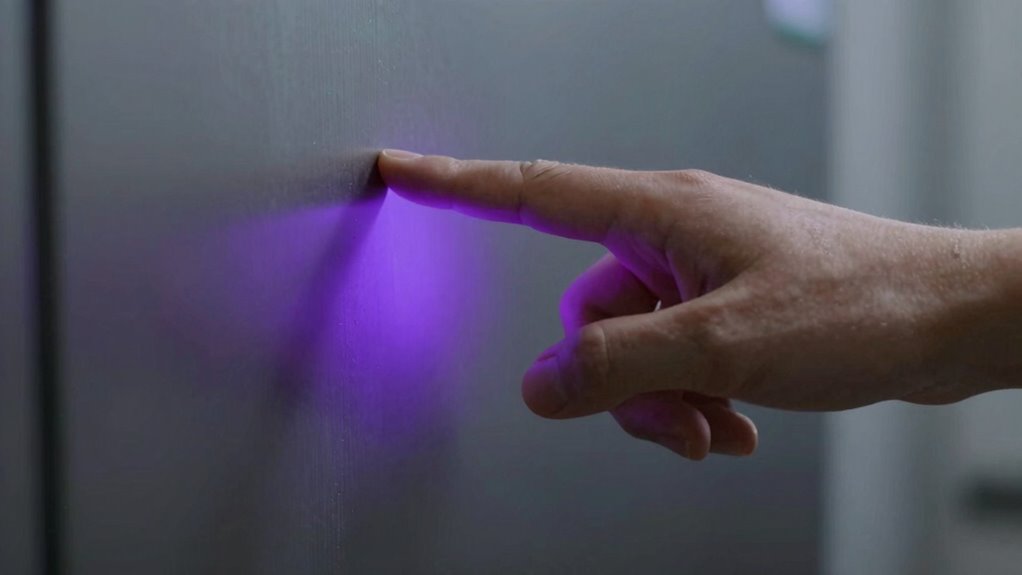
When comparing heating options, infrared heat often stands out as a modern alternative to traditional systems. Unlike conventional heaters that warm the air around you, infrared heating works through a different process, involving direct energy transfer. Instead of relying on convection or radiation to heat the surrounding space, infrared heaters emit infrared waves that penetrate your skin and warm your body directly. This method creates a feeling of warmth that’s often described as more natural and immediate because the energy transfer happens directly to your skin, bypassing the air entirely.
Infrared heating provides immediate, natural warmth by directly transferring energy to your skin, bypassing the air.
Because infrared heat transfers energy directly into your body, it results in a unique sensation that many find more comfortable. When the infrared waves reach your skin, they are absorbed efficiently, raising your skin temperature quickly and evenly. This skin absorption of infrared energy is key to why the heat feels different—it doesn’t just warm the air around you but heats your body from the inside out. You might notice that this warmth feels more intense initially but also feels more soothing since it’s similar to the natural warmth of the sun. This direct energy transfer also means that you don’t have to wait long for the warmth to become noticeable; your skin absorbs the infrared waves almost immediately upon exposure.
Traditional heating systems typically work by heating the air, which then circulates around the room and eventually warms your skin. However, this process can make the air feel dry and sometimes stuffy, which can affect how you perceive the warmth. With infrared heat, because the energy is absorbed directly into your skin, you experience a more consistent and comfortable warmth without the dry, stale feeling often associated with traditional systems. This difference in how heat feels is largely due to the way your body interacts with the energy transfer process—infrared energy is absorbed directly, providing a sensation that’s more akin to the sun’s warmth, rather than the sometimes harsh or artificial feel of conventional heaters. Additionally, infrared heating is often more targeted, allowing for more precise comfort in specific areas of your home.
In essence, infrared heating makes you feel different because it engages your body’s skin absorption process directly, delivering warmth efficiently and comfortably. You get that natural, soothing heat that mimics sunlight, which many people prefer over the sometimes uneven or dry feeling of traditional heating methods. This direct transfer of energy not only makes infrared heat feel different but also offers a more pleasant and personal experience of warmth that you can feel immediately. Additionally, because infrared heat can help reduce air dryness, it can contribute to healthier indoor air quality and overall comfort. Moreover, infrared heating systems tend to be more energy-efficient, providing consistent warmth without excessive energy consumption, which is an important advantage for many users.
As an affiliate, we earn on qualifying purchases.
Frequently Asked Questions
Does Infrared Heat Use Less Energy Than Traditional Heating Methods?
Yes, infrared heat uses less energy than traditional heating methods. It’s highly energy-efficient because it directly warms objects and people rather than the air, reducing wasted energy. This targeted heating leads to significant cost savings over time. You’ll notice that infrared systems heat spaces quickly and effectively, cutting down on energy bills and providing a more efficient, eco-friendly way to stay warm.
Can Infrared Heat Help Improve Indoor Air Quality?
Think of infrared heat as a gentle breeze in a stuffy room, promoting better air circulation and helping to remove pollutants. It warms objects and surfaces directly, reducing airborne allergens and dust. This targeted heating can improve indoor air quality by minimizing the circulation of dust and pollutants that traditional systems often stir up. So, yes, infrared heat can contribute to a cleaner, healthier indoor environment.
Are Infrared Heaters Safer for Children and Pets?
Infrared heaters are generally safe for children and pets because they don’t get as hot as traditional heaters, reducing the risk of burns. Their design minimizes exposed heating elements, offering better child safety and pet protection. However, you should still supervise young kids and pets around any heating device to prevent accidents. Proper installation, safety covers, and keeping the heater out of reach help guarantee a safer environment.
How Quickly Does Infrared Heat Warm a Room?
Infrared heat warms a room quickly because of its superior heat transfer efficiency and infrared penetration. When you turn on an infrared heater, it directly heats objects, walls, and people rather than just the air. This process allows for almost instant warmth, often within minutes. The infrared waves penetrate deep into surfaces, creating a comfortable and consistent temperature faster than traditional heaters, making your space cozy in no time.
Is Infrared Heat Effective for Outdoor Heating Applications?
Think of infrared technology as your modern knight in shining armor for outdoor comfort. Yes, it’s highly effective for outdoor heating because it directly warms people and objects, not the air. Unlike traditional heaters, infrared radiant heaters provide cozy warmth even in chilly weather. You’ll enjoy instant comfort on your patio or outdoor space, making chilly evenings much more inviting. It’s a smart, efficient choice for outdoor heating needs.
As an affiliate, we earn on qualifying purchases.
Conclusion
So, next time you’re near a radiant heater or feeling that warm glow, remember: infrared heat isn’t just heating the air—it’s directly warming your body’s tissues. This subtle difference might explain why it feels so much more comforting and natural. Believe it or not, some say infrared can even boost your mood and energy. So, maybe there’s more to this heat than just warmth—perhaps it’s a gentle, healing hug from nature itself.
As an affiliate, we earn on qualifying purchases.
As an affiliate, we earn on qualifying purchases.