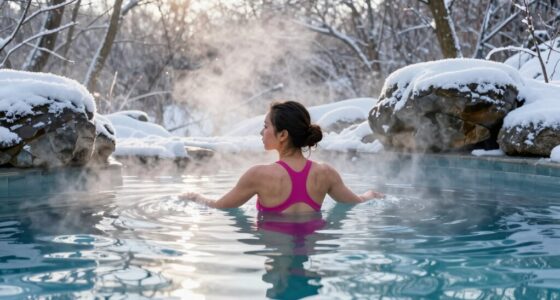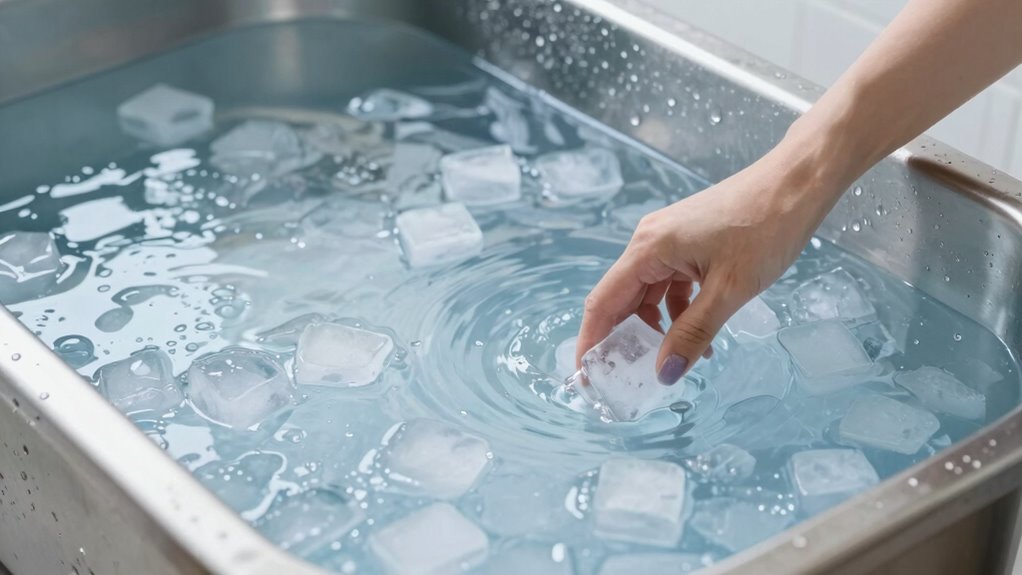
Ice baths and cold plunges both involve immersing your body in cold water, but they differ in equipment, temperature, and duration. Ice baths usually use large tubs with ice, are colder (around 50°F-59°F), and last longer (10-20 minutes), providing intense muscle recovery. Cold plunges are in specialized pools, slightly warmer, and shorter—around 3-5 minutes—offering a more comfortable experience. To optimize safety and results, understanding these distinctions helps you choose the right method for your goals.
Key Takeaways
- Ice baths involve immersing in water cooled with ice at 50°F-59°F, often longer and more intense than cold plunges.
- Cold plunges are in specialized tanks or pools with controlled cold temperatures, usually 50°F-60°F, for shorter sessions.
- Both methods promote recovery and circulation but differ in equipment, temperature control, and session duration.
- Ice baths typically use large tubs with ice, offering colder and more intense experiences than cold plunges.
- Cold plunges are more comfortable and easier to sustain, making them suitable for quick recovery and mental clarity.
Ice Bath vs. Cold Plunge: What’s the Difference?
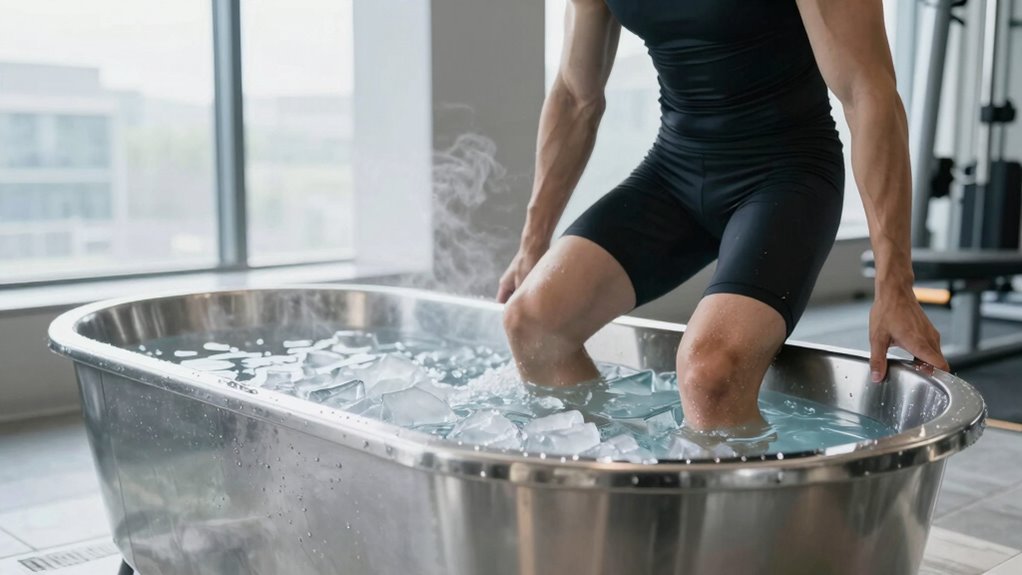
While many people use the terms interchangeably, an ice bath and a cold plunge are actually different methods of cold therapy. The key difference lies in temperature differences and equipment variations. Ice baths typically involve immersing yourself in water cooled with ice, resulting in lower temperatures—often between 50°F and 59°F. This setup usually requires a large tub or container filled with ice and water. Cold plunges, on the other hand, are often done in specialized pools or tanks that maintain a consistent cold temperature without needing added ice. These setups can be more controlled and stable, with temperatures generally ranging from 50°F to 60°F. Understanding these equipment variations and temperature differences helps you choose the right method for your recovery or wellness routine.
Which Is Better for Your Goals: Ice Baths or Cold Plunges?

When choosing between ice baths and cold plunges, consider how quickly you want to recover and how comfortable you are with the process. Ice baths tend to be colder and may require longer recovery times, but some find them more effective. Cold plunges usually offer shorter sessions with more comfort, which might better suit your schedule and preferences.
Speed of Recovery
If you’re aiming for a faster recovery after intense workouts, understanding which method works better can make a difference. Ice baths and cold plunges both help reduce muscle soreness by constricting blood vessels and decreasing inflammation. However, ice baths, with their longer immersion times, may provide a quicker reduction in muscle soreness, helping you bounce back faster. Cold plunges, being less intense and more accessible, still promote recovery but might take longer to show noticeable effects. Additionally, both techniques can boost mental resilience by challenging your tolerance to discomfort. Your choice depends on your goals: if rapid recovery is key, ice baths could be more effective, but if you prefer a gentler approach, cold plunges still support your recovery process efficiently. Incorporating Free Floating techniques can also enhance overall relaxation and recovery benefits. Furthermore, understanding the contrast ratio of your recovery methods can help optimize your results by ensuring the environment supports effective temperature regulation. Considering the temperature range you choose can also influence how quickly your muscles recover and how comfortable you feel during each session. Being aware of the energy efficiency of each method can additionally help you choose options that align with sustainable recovery practices. Additionally, paying attention to temperature regulation can ensure your recovery sessions are both safe and effective, maximizing benefits while minimizing discomfort.
Duration and Comfort
Choosing between ice baths and cold plunges often depends on how much time you can dedicate and how comfortable you are with the process. Ice baths typically last longer, around 10 to 20 minutes, but the higher temperature comfort can be challenging, especially as the water is colder and more intense. Cold plunges, on the other hand, usually involve shorter durations, about 3 to 5 minutes, with a more tolerable temperature comfort level. If you prefer a quicker, less uncomfortable experience, cold plunges might suit you better. However, if you’re aiming for more intense cold exposure and can handle the temperature discomfort, ice baths could be more effective. Your comfort level with temperature will help determine which option aligns best with your goals.
What Are the Unique Benefits of Each Method?
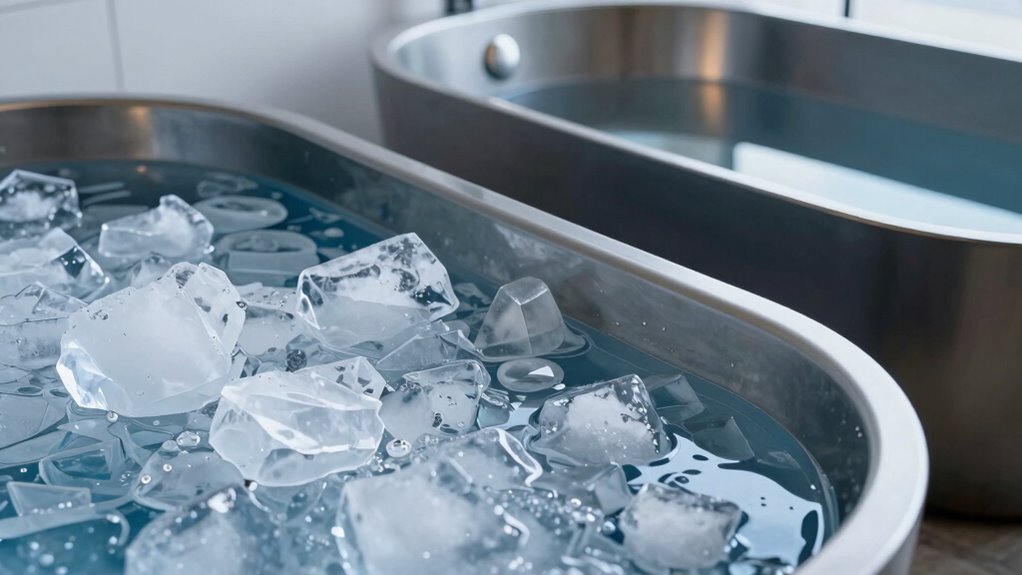
Both ice baths and cold plunges offer unique benefits that can enhance your recovery and well-being. You might notice faster recovery times or improved mental clarity from each method, depending on your needs. Additionally, they can boost circulation, helping your body recover more efficiently. Understanding the scientific principles behind these methods can help you choose the best option for your goals. Recognizing the importance of body temperature regulation can further optimize your experience and results with either method. Moreover, being aware of the physiological responses triggered by cold exposure can help tailor your recovery strategy for optimal results. For example, the transformation energy associated with black dragons in dreams emphasizes profound change, much like how cold exposure can stimulate significant physiological adaptations.
Faster Recovery Potential
While both ice baths and cold plunges can speed up recovery, each method offers distinct advantages that cater to different needs. Ice baths typically provide a more intense experience, promoting deep muscle relaxation and markedly reducing inflammation, which speeds up recovery from strenuous activity. Cold plunges, often more accessible and easier to sustain, still offer effective muscle relaxation but with less intensity, making them suitable for regular use. Additionally, both methods can help build mental resilience by pushing you through discomfort, strengthening your ability to withstand stress. If you’re seeking rapid recovery to target sore muscles quickly, ice baths may be more beneficial. For consistent, moderate recovery and mental toughness development, cold plunges are a practical choice. Incorporating smart home automation can also optimize your recovery routines by controlling temperature settings and monitoring your progress conveniently at home. Using connected fitness technology can further enhance your experience by tracking your recovery metrics and providing personalized insights.
Enhanced Mental Clarity
Ice baths can sharpen your mental focus by forcing you to endure intense cold and discomfort, which enhances your ability to stay present and resilient under pressure. This experience often mirrors mindfulness practices, helping you develop awareness and control over your thoughts. The sensory deprivation of the cold environment minimizes distractions, allowing clearer thinking. Cold plunges, on the other hand, promote mental clarity through sustained immersion, encouraging a meditative state that calms racing thoughts. Both methods challenge your mind to stay centered, but ice baths emphasize resilience through discomfort, while cold plunges foster calmness via prolonged sensory reduction.
| Aspect | Effect on Mental Clarity |
|---|---|
| Discomfort threshold | Builds resilience and focus |
| Sensory deprivation | Enhances concentration and calmness |
| Mindfulness practices | Cultivates present-moment awareness |
| Duration of exposure | Influences depth of mental clarity |
| Environment | Shapes mental state and clarity |
Increased Circulatory Boost
Cold plunges deliver a steady and sustained boost to circulation by keeping blood flowing continuously during the immersion, which helps improve vascular function over time. This process encourages vasodilation, allowing blood vessels to widen and promote better blood flow. As your body responds, you’ll notice increased circulation that benefits recovery and overall cardiovascular health.
Imagine:
- Blood flow intensifies, delivering oxygen and nutrients more efficiently.
- Vasodilation occurs, easing the strain on your heart and vessels.
- Your extremities experience improved circulation, reducing numbness.
- Overall, your vascular system adapts, enhancing endurance and resilience.
Each method’s unique approach to circulation can influence how quickly and effectively these benefits manifest, making cold plunges particularly effective for circulatory boosts.
How Do Experts Recommend Using Ice Baths and Cold Plunges?
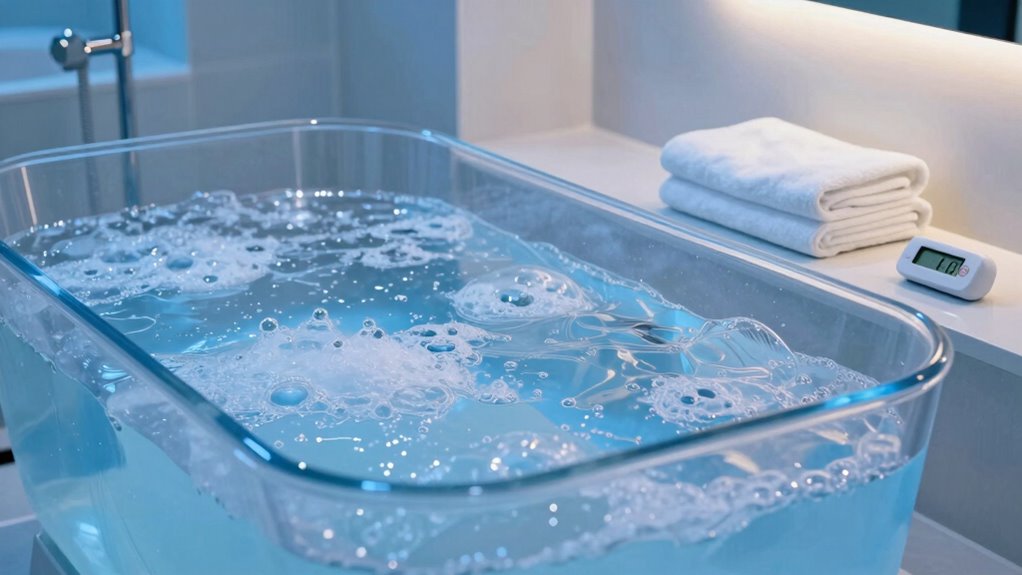
Experts recommend starting with shorter durations, typically between 5 to 10 minutes, to allow your body to adapt safely to the cold. This approach helps optimize post workout recovery and enhances athletic performance without overloading your system. To get the most benefit, focus on consistent timing and temperature. Incorporating adjustable settings can help tailor your cold plunge experience to your needs. Keep in mind, listening to your body is essential—avoid pushing past discomfort to prevent adverse effects. Understanding cold exposure protocols can further improve your safety and results, especially when considering cold exposure guidelines for optimal benefits. Additionally, being aware of environmental conditions ensures a safe and effective cold exposure session.
Safety Tips for Cold Water Immersion
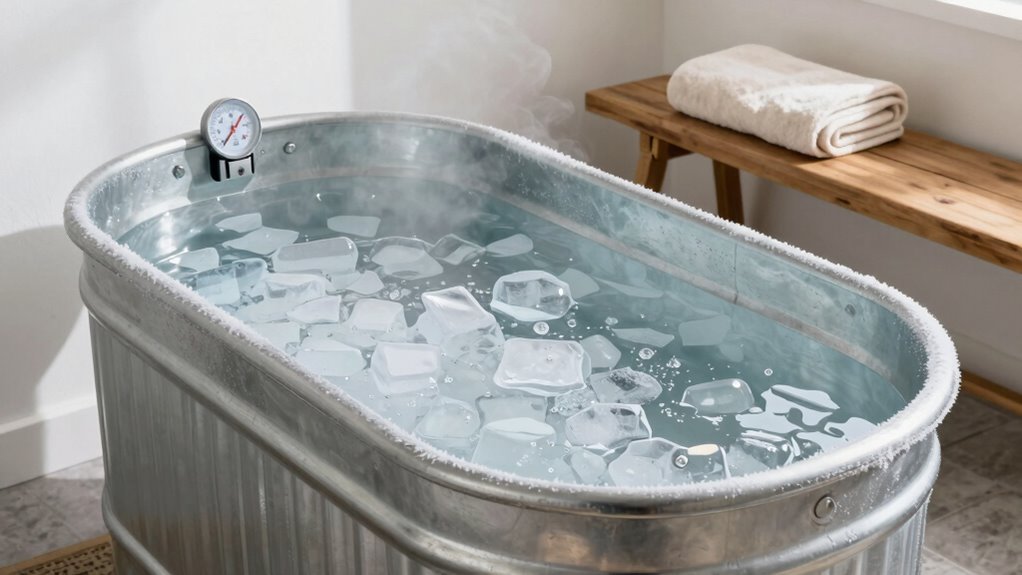
While cold water immersion can offer significant recovery benefits, it’s crucial to prioritize safety to prevent adverse effects. Hypothermia risks increase if water temperature drops too low or exposure lasts too long. To stay safe, keep these tips in mind:
- Always monitor water temperature and avoid going below 50°F (10°C).
- Limit immersion time to 10-15 minutes to reduce hypothermia risks.
- Never immerse alone—having someone nearby ensures help if you feel faint or unwell.
- Listen to your body; if you start shivering, numb, or feel disoriented, exit immediately.
- Proper Aero Guardians maintenance and safety precautions can help you enjoy cold water immersion more safely.
- Understanding the water temperature ranges can guide you in choosing safe and effective cold plunge experiences.
- Being aware of outdoor conditions, such as wind and air temperature, can further enhance your safety during cold water immersion.
- Recognizing the importance of body response during cold exposure helps prevent accidents and ensures a safer experience.
Additionally, understanding how water circulation affects temperature consistency can improve your safety during sessions.
Being cautious with water temperature and duration helps you enjoy the benefits safely without risking hypothermia or other dangers.
How to Prepare and Use Cold Water Immersion Safely
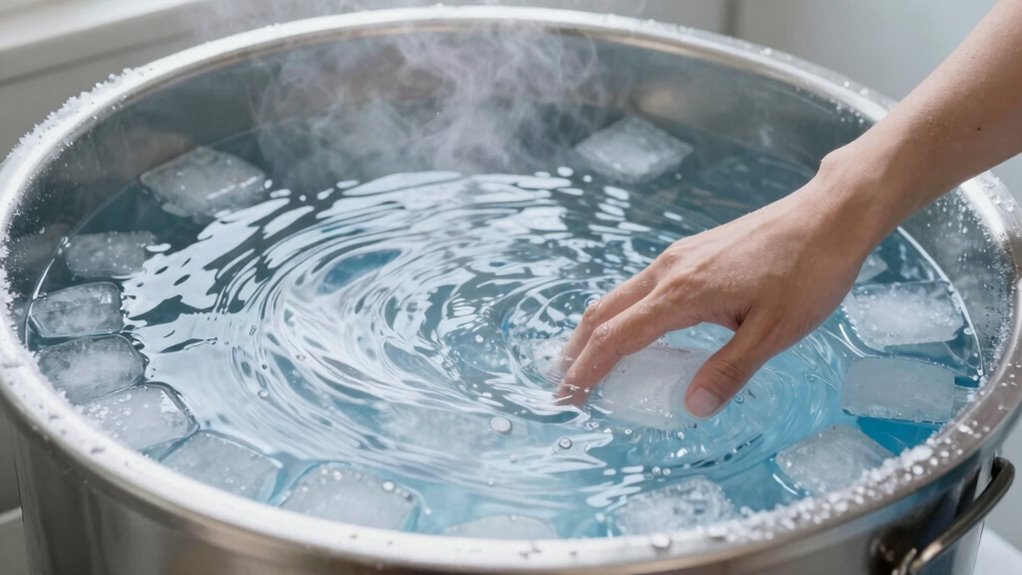
To maximize safety when starting cold water immersion, proper preparation is key. Begin by staying well-hydrated; effective hydration strategies help prevent dizziness or cramping. Before immersing, check your equipment thoroughly—ensure your plunge tub or bath is clean and free of debris, and that temperature controls are accurate. Maintain your equipment regularly to avoid malfunctions during use. When ready, gradually acclimate your body to the cold water to prevent shock. proper safety protocols include monitoring your body’s response and knowing when to exit the water to prevent hypothermia. To further enhance your safety, understanding thermal regulation can help you better manage your body’s response to cold exposure. Limiting immersion time initially and listening to your body’s signals are crucial steps in preventing adverse effects. Engaging in body temperature awareness can assist you in recognizing early signs of cold stress. After your session, rehydrate to aid recovery and support circulation. Incorporating sauna controls and safety features can further enhance your overall experience and reduce risks. Remember, consistent equipment maintenance and proper hydration are essential to ensure safe, effective cold water immersion experiences.
Frequently Asked Questions
Can I Use an Ice Bath or Cold Plunge Daily?
You can use an ice bath or cold plunge daily, but be cautious. Cold therapy myths suggest overdoing it can hinder recovery, so listen to your body. Immersion benefits include reducing inflammation and boosting circulation, but daily use might cause stress if not done properly. Start with shorter sessions and gradually increase, ensuring you don’t overexpose yourself. Always prioritize your comfort and consult a professional if unsure.
How Long Should I Stay in an Ice Bath or Cold Plunge?
You should aim for 10-15 minutes in an ice bath or cold plunge, like a hero conquering the cold. This duration optimizes post immersion recovery without risking hypothermia. Staying this long boosts mental health benefits by calming your mind and reducing stress. Overdoing it can be dangerous, so listen to your body. Keep it within this timeframe to enjoy the full benefits safely and effectively.
Are There Any Health Conditions That Restrict Cold Water Immersion?
You should avoid cold water immersion if you have cardiovascular risks or skin sensitivities. These conditions can worsen with sudden cold exposure, potentially leading to issues like blood pressure spikes or skin irritation. Always consult your doctor before trying cold plunges, especially if you have heart problems, circulation issues, or sensitive skin. Listening to your body and taking precautions help prevent adverse effects during cold water therapy.
What Temperature Is Optimal for Ice Baths and Cold Plunges?
Imagine you’re recovering after a marathon; the ideal temperature for your ice bath is around 50-59°F (10-15°C). This range aids temperature regulation and enhances water conductivity, maximizing benefits like reduced inflammation. Staying within this temperature guarantees you don’t risk hypothermia or skin damage. Always monitor water temperature closely, adjusting as needed, to maintain safe, effective cold immersion that supports your recovery and overall health.
Does the Size or Volume of the Tub Impact Effectiveness?
The size and volume of your tub do impact effectiveness. A larger tub with greater capacity allows for more water, maintaining the desired cold temperature longer. *Guarantee* the tub provides sufficient immersion depth, ideally covering your body up to the chest, which maximizes benefits. Smaller tubs may cool faster but can limit immersion, reducing effectiveness. So, choose a tub with adequate capacity and deep enough to immerse your body comfortably.
Conclusion
Remember, while both ice baths and cold plunges can boost recovery, listen to your body and proceed with caution. As the saying goes, “Prevention is better than cure.” Choose the method that aligns with your goals and comfort level, and always prioritize safety. With patience and care, you’ll find the cold water therapy that works best for you and helps you stay at your best.