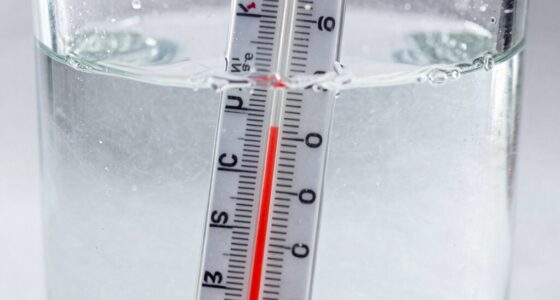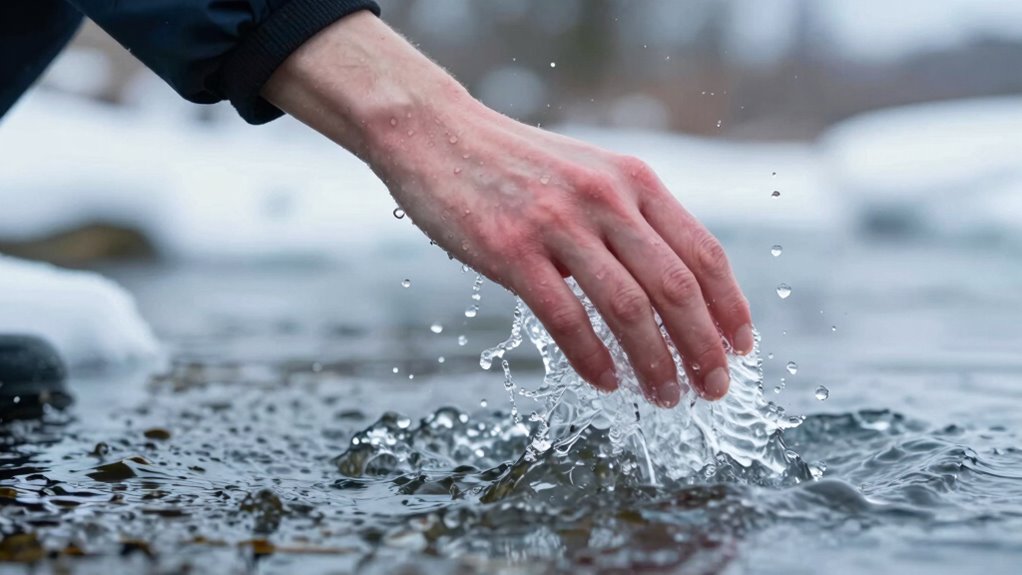

When you first plunge into cold water, your body reacts instinctively, making it feel aggressively shocking even if you’re prepared. Your nervous system responds instantly, causing rapid blood vessel constriction, pain, and shallow breathing—like a fight-or-flight reaction. This primal response perceives the cold as a threat, triggering automatic, uncontrollable physical and mental chaos. If you want to understand how your body manages this intense survival response and how to adapt, stick around.
Key Takeaways
- Sudden cold water triggers rapid vasoconstriction, causing sharp, painful sensations that feel aggressive.
- The body’s thermal shock response perceives cold as an emergency, activating instinctive, aggressive reactions.
- Overwhelming sensory input from cold water overloads the nervous system, amplifying feelings of threat and agitation.
- Automatic, unconscious responses activate instantly, even before mental awareness, intensifying initial discomfort.
- Reactions are rooted in primal survival mechanisms designed to protect against sudden environmental dangers.
When you first step into cold water, it often feels surprisingly aggressive, as if it’s pushing back against your body. That immediate jolt isn’t just in your mind; it’s a real physical response driven by your nervous system’s reaction to sudden cold. Your body perceives the drop in temperature as an emergency, triggering a rapid, involuntary reaction known as thermal shock. This isn’t just discomfort—it’s your body’s instinctive effort to protect itself. Your blood vessels constrict quickly to preserve core temperature, making you feel a sharp, almost painful sensation. Your breathing may become shallow or gasp-inducing, and your muscles tense up. All of this happens in a split second, and it’s this intense, instinctive response that makes cold water feel so aggressive at first.
In addition to thermal shock, you’re also experiencing sensory overload. The cold hits your skin with such intensity that your nervous system struggles to process it all at once. The overwhelming sensation can flood your senses, making it difficult to focus or breathe normally. The nervous system’s autonomic response amplifies this effect, further intensifying the feeling of aggression. The brain isn’t used to handling this level of sensory input, so it interprets the cold as a threat. It’s like a sudden alarm bell ringing loudly in your mind, demanding immediate attention. That’s why the initial shock feels so aggressive—it’s a combination of physical pain and mental chaos, both triggered by your body’s primal response to the cold. Recognizing this thermal response can help you better understand and manage the initial shock. Additionally, understanding the nervous system’s role in this process can enable you to develop strategies to mitigate the intensity of the reaction over time. Recognizing the body’s automatic responses can also help in developing cold adaptation techniques that gradually lessen the shock.
Even if you’re mentally prepared for the plunge, these reactions happen automatically. Your brain recognizes the cold as dangerous, and your body responds before you can even think about it. That’s why the feeling of aggression from cold water is so persistent and intense at first. It’s not just a matter of mental readiness; it’s your body’s deeply ingrained survival mechanisms kicking into high gear. Over time, as you get used to the cold, your nervous system adapts, and these reactions lessen. But in those first moments, the aggressive rush is unavoidable, driven by your body’s instinct to protect itself from what it perceives as a threat. Understanding this thermal response can help you better manage your reaction and develop resilience to cold exposure.

Lalizas Immersion Suit 'Neptune',SOLAS,Xlarge, Insulated – with neoprene gloves
Νot Coast Guard approved
As an affiliate, we earn on qualifying purchases.
As an affiliate, we earn on qualifying purchases.
Frequently Asked Questions
Does Everyone React the Same Way to Cold Water?
No, everyone doesn’t react the same way to cold water. Your response depends on individual differences like sensory adaptation and how your body perceives temperature. Some people might initially find cold water aggressive or shocking, while others adapt quickly and feel less discomfort over time. Your unique physiology and previous experiences influence how intensely you react, making each person’s response to cold water uniquely their own.
How Long Does the Initial Shock Last?
The initial shock from cold water typically lasts about 15 to 30 seconds, but it varies for each person. During this period, your body reacts with rapid breathing and increased heart rate. Afterward, you enter an adaptation period, where your body begins to adjust to the cold. Over time, with repeated exposure, your shock response diminishes, making cold water feel less aggressive and more manageable.
Can Cold Water Therapy Improve Mental Health?
Cold water therapy can boost your mental health by strengthening mental resilience and enhancing emotional regulation. When you regularly immerse yourself, you learn to manage stress better and stay calm under pressure. The initial shock trains your mind to adapt quickly, making you more resilient to daily stressors. Over time, this practice can lead to improved mood, reduced anxiety, and a stronger ability to handle emotional challenges effectively.
Is There a Risk of Hypothermia From Cold Water Exposure?
Imagine stepping into icy water, feeling like being hit with a wave of shock—that’s your body reacting to low water temperature. Yes, there’s a hypothermia risk if water temperature drops too low or exposure lasts too long. To stay safe, limit your time in cold water, especially if it’s below 50°F (10°C), and watch for signs of hypothermia, like shivering or numbness. Always prioritize safety to enjoy cold therapy benefits.
Why Do Some People Enjoy Cold Water After the Shock?
Some people enjoy cold water because their bodies adapt through temperature adaptation, which reduces discomfort over time. Their sensory response becomes less intense, allowing them to experience the invigorating effects without feeling overwhelmed. This adaptation triggers a sense of achievement and mental clarity. If you persist, your body learns to manage the cold, turning initial shock into a revitalizing challenge, making cold water immersion more enjoyable and even addictive.
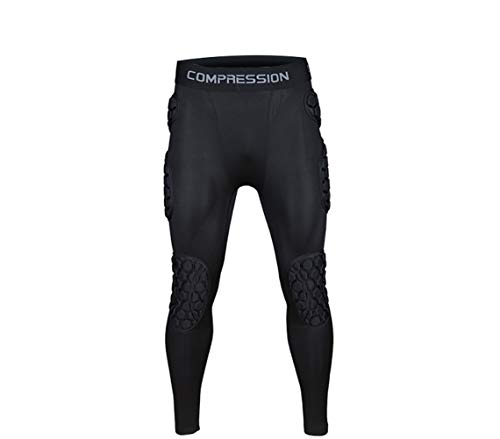
Men's Goalkeeper Padded Pants Bike Trousers Football Protective Gear Set Training Suit for Soccer Rugby Basketball Paintball Hip Protector Pants
Polyester and EVA emulsion
As an affiliate, we earn on qualifying purchases.
As an affiliate, we earn on qualifying purchases.
Conclusion
So, next time you plunge into cold water and feel that sharp, aggressive shock, remember: it’s nature’s way of awakening your senses. That initial jolt isn’t just a reaction; it’s a call to embrace the challenge, to stand resilient against the icy storm. Like a fierce guardian at the gates, cold water tests your resolve. But once you’ve braved it, you realize—you’re stronger than that first, wild assault. Ready for the next splash?

The Safe Cold Plunge: Home Protocols, Adaptation & Recovery for Real People: Step-by-step setups, water chemistry, progression charts, and when NOT to plunge
As an affiliate, we earn on qualifying purchases.
As an affiliate, we earn on qualifying purchases.

Hevto Men Wetsuit 3/2mm Neoprene Front Zip Full Wet Suit in Cold Water for Surfing Swimming SUP Snorkeling Diving (M2-Black, LT)
Why: The Hevto full wetsuit is a must-have for anyone planning water activities in cold temperatures or for…
As an affiliate, we earn on qualifying purchases.
As an affiliate, we earn on qualifying purchases.