
TL;DR

Get home appliances delivered free with Prime
- Fast, free delivery on millions of items
- Prime Video, Amazon Music and more included
- Member-only deals all year
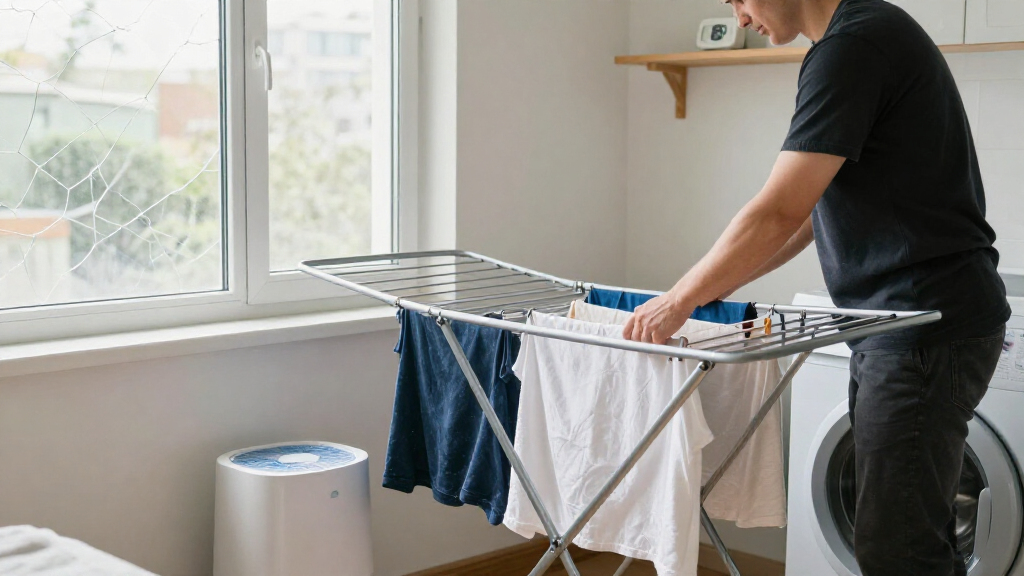
Ideal Home published six practical tips for drying laundry indoors while limiting moisture that can contribute to condensation, damp and mould. The recommendations include removing more water in the wash, spacing garments out, managing moisture with ventilation or a dehumidifier, and choosing a suitable drying location.
Ideal Home has published six tips for drying laundry indoors while limiting the moisture that wet clothes release into a home. The advice, attributed in the report to laundry specialists, includes using an extra spin cycle, leaving room between garments, improving airflow and pairing an airer with a dehumidifier.
The report’s central point is that water from wet laundry enters the indoor air as clothes dry. Without sufficient ventilation or moisture removal, that added humidity can contribute to condensation, damp and mould. The article presents its recommendations as practical ways to manage drying, not as a guarantee against mould or a substitute for addressing existing damp.
Its first two recommendations are to run an additional spin cycle, if suitable for the garments and washing machine, and to avoid overcrowding the airer. The report says removing more water before hanging clothes can help them dry faster, particularly heavier items such as towels, jeans and bedding. Spacing garments out, opening shirts and spreading sleeves can improve air circulation; turning heavy items partway through drying may help prevent damp patches.
The other suggestions are to consider a heated airer, use a dehumidifier alongside the drying rack, position the rack away from walls, and ventilate the room. Ideal Home quotes Brabantia laundry expert Lauren Roelofs on leaving space between clothes, and Lakeland buying lead Catrin Parry on using a dehumidifier and keeping an airer where air can circulate. The source is a consumer advice report, not a study measuring the effect of each step.
Keeping Indoor Drying Moisture in Check
Indoor drying is common when outdoor conditions are cold or wet, but the moisture does not disappear: it moves from garments into the room unless it is removed or carried outside. Managing humidity matters because condensation and persistently damp conditions can affect the home and may contribute to mould growth.
The guidance also distinguishes between drying clothes and controlling room moisture. A heated airer can help warm and dry laundry, but the report says it does not itself remove moisture from the air. Ventilation and a dehumidifier address that separate issue. For readers, that means the choice of equipment and where it is used can matter alongside simple habits such as spacing garments apart.
Products Worth Considering

Ring Alarm 8-Piece Kit (2nd Gen) Home Security System

Dyson W1 PencilWash Cordless Wet and Dry Floor Cleaner with Dock

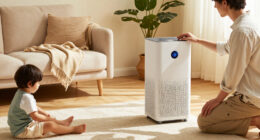
Blueair Blue Pure 511i Max Smart Air Purifier
As an affiliate, we earn on qualifying purchases.
Six Habits for Cold-Weather Laundry
Ideal Home frames the advice around the colder, wetter season, when outdoor drying may be impractical and households may rely on an indoor airer. It notes that a tumble dryer is not an option for everyone, including people who do not own one or who cannot afford its running costs.
The recommendations combine changes to the wash, the drying setup and the room: extract water before hanging; arrange clothes to allow airflow; consider a heated rack; use a dehumidifier; keep the airer clear of walls; and ventilate the space. The report also mentions equipment models and products, but its core advice does not depend on buying a particular brand.
“One of the simplest ways to speed things up is to avoid overcrowding your drying rack. Leaving space between garments allows air to circulate, helping clothes dry more evenly.”
— Lauren Roelofs, laundry expert at Brabantia, as quoted by Ideal Home
Limits of the Published Advice
The source does not report controlled tests or measurements showing how much each recommendation reduces drying time, humidity, condensation or mould risk. Results will vary with room size, ventilation, weather, load size and the condition of the property. The report’s suggestion that a cover can shorten drying by a couple of hours is attributed to the product representative and is qualified as dependent on the load and conditions.
It is also unclear whether the advice will prevent damp or mould in homes with existing leaks, poor insulation, inadequate ventilation or established mould. The article offers general household guidance; it does not assess individual properties or set out a remedy for persistent damp.
Applying the Advice at Home
The next step for readers is to adapt the suggestions to their space: check that an extra spin is appropriate for the garments, spread laundry across the rack, and place it where air can move around it. Where drying indoors is frequent, households can consider whether a dehumidifier or heated airer suits their needs and budget, while following the equipment makers’ instructions.
Ventilate the room where practical and monitor for recurring condensation or damp. If moisture problems persist, the source’s general laundry tips may not address the cause; further investigation of the home and appropriate professional advice may be needed.
Key Questions
What are the six recommended habits for drying laundry indoors?
Ideal Home recommends an extra spin cycle where suitable, spacing clothes on the rack, considering a heated airer, using a dehumidifier, placing the airer away from walls, and ventilating the room.
Does a heated clothes airer remove moisture from the room?
Not by itself, according to the report. A heated airer helps dry clothes, while a dehumidifier is intended to remove excess moisture from the air.
Why should clothes be spaced apart on an airer?
Spacing garments allows more air to circulate and can help clothes dry more evenly. The report also advises opening garments up and turning heavier items during drying.
Will these steps prevent mould?
The report does not establish that the tips will prevent mould. They are general ways to manage laundry moisture; results depend on the home and its ventilation, and persistent damp may have other causes.
Source: idealhome.co.uk