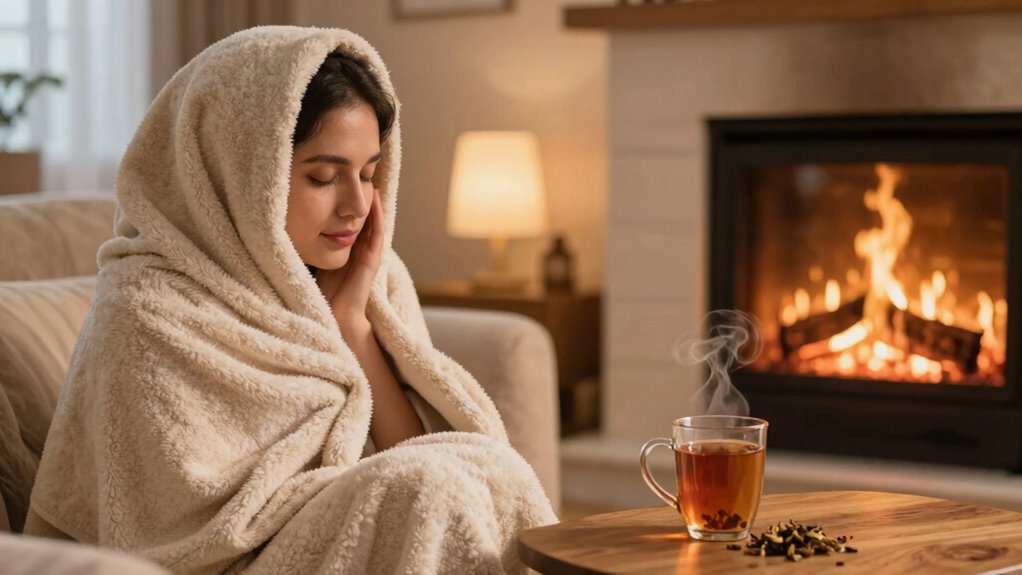
To build a better rewarming routine after cold exposure, start by rehydrating with small, frequent sips of warm fluids like herbal tea or broth to restore blood volume. Remove wet clothing immediately and bundle in layered, dry insulation, covering extremities. Use gentle heat sources like warm blankets, avoiding direct contact to prevent burns. Monitor your body’s responses, and if shivering stops or numbness appears, seek help. Keep your environment warm and stable—if you want to learn more, keep going.

Get home appliances delivered free — and shop member deals
- Fast, free delivery on millions of items
- Access to Prime Big Deal Days deals on October 6–7
- Prime Video, Amazon Music and more included
Key Takeaways
- Prioritize gradual rewarming with warm, dry blankets and controlled heat sources to prevent shock and burns.
- Ensure proper hydration through small, frequent sips of fluids to restore blood volume and support heat production.
- Remove wet clothing immediately and layer with insulated, dry garments to minimize heat loss.
- Monitor body responses like shivering or numbness, and seek medical help if abnormal signs appear.
- Create a stable, warm environment that promotes natural heat retention and supports gradual temperature recovery.
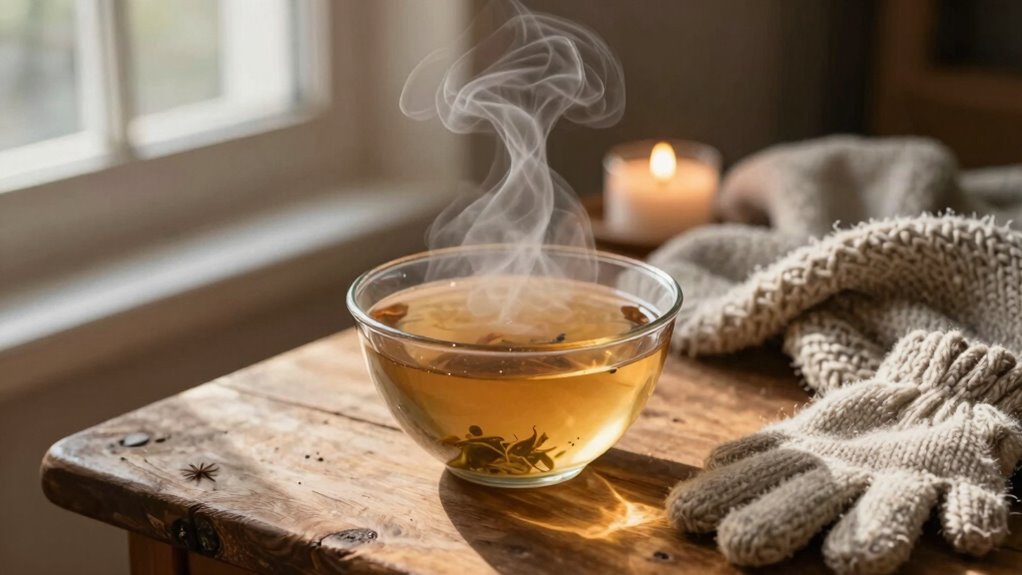
After experiencing cold exposure, your body needs a carefully planned rewarming routine to recover safely and effectively. The first step is to prioritize hydration strategies. When you’re cold, your body loses fluids more rapidly through increased urination and perspiration, even if you don’t realize it. Rehydrating is essential because it helps restore blood volume, improves circulation, and supports your body’s natural heat production. Drink warm fluids like herbal tea or broth, which can help raise your core temperature gradually. Avoid alcohol and caffeinated drinks, as they can dehydrate you further and impair your body’s ability to regulate temperature. Sipping small amounts frequently is more effective than consuming large quantities at once, ensuring steady hydration and better absorption.
Next, focus on clothing insulation. The right clothing can make a significant difference in how quickly you warm up and how safely you do it. After cold exposure, you want to remove any wet or damp clothing immediately, as moisture can accelerate heat loss. Instead, bundle yourself in layers of insulated, dry clothing. Use materials with good insulating properties like wool, fleece, or synthetic fibers designed for cold weather. These help trap body heat and create a barrier against the cold environment. Pay particular attention to covering extremities—hands, feet, ears, and the head—as these areas lose heat fastest. Wearing a hat, gloves, and insulated boots can prevent further heat loss and stabilize your core temperature. Ensuring proper clothing insulation can maximize heat retention and reduce the risk of hypothermia during rewarming. Incorporating thermal regulation principles can further optimize your rewarming process by balancing heat retention and dissipation. Additionally, understanding the mechanisms of body heat transfer can help you implement more effective strategies during rewarming. Recognizing the importance of metabolic heat production can also aid in understanding how your body creates warmth naturally during recovery.
As you begin rewarming, start with gentle, controlled heat to avoid shocking your system. Warm, dry blankets or a heated blanket set to a low or medium setting will help elevate your temperature gradually. Avoid direct heat sources like hot water bottles or heating pads applied directly to the skin, especially if you’re unsteady or have impaired sensation, as they can cause burns or other injuries. Instead, focus on maintaining a comfortable environment that encourages natural warming. Additionally, incorporating proper insulation into your routine can significantly improve your rewarming process by trapping heat more effectively.
Throughout the process, monitor your body’s responses carefully. If you notice shivering, it’s a good sign your body is trying to generate heat. If shivering stops or you feel numb, seek medical attention immediately. Building a better rewarming routine hinges on understanding these key elements: maintaining hydration, choosing the right clothing insulation, and applying gentle warmth. By combining these strategies, you can help your body recover safely from cold exposure and prevent complications like hypothermia.
As an affiliate, we earn on qualifying purchases.
Frequently Asked Questions
How Long Should I Wait Before Rewarming After Cold Exposure?
You should wait until your body shows signs of significant cold stress before rewarming, typically around 10 to 15 minutes after cold immersion. During this time, your body’s insulation works to conserve heat, and you can monitor for symptoms like numbness or shivering. Avoid rushing, as proper rewarming supports healthy circulation and prevents hypothermia. Once ready, gently rewarm with warm clothing or blankets to restore normal body temperature safely.
Are There Specific Foods That Help With Rewarming?
You should focus on nutrient-rich foods and warm beverages to aid rewarming. Nutrient-rich foods supply essential vitamins and minerals that support your body’s recovery, while warm beverages help increase your core temperature comfortably. Think hearty soups, warm teas, or hot broths—these comfort and restore. Prioritize these options to fuel your recovery, boost circulation, and bring warmth back to your body after cold exposure.
Can Rewarming Methods Worsen Hypothermia Symptoms?
Yes, improper rewarming methods can worsen hypothermia symptoms. You should focus on thermal insulation and gradual warming to avoid shock. Rapid rewarming or direct heat application might cause blood vessels to constrict or lead to arrhythmias. Instead, keep the person warm with blankets, use warm packs carefully, and gently elevate their body temperature, ensuring the process is slow and controlled to prevent complications.
What Are the Signs of Improper Rewarming?
Ever wonder if your rewarming is going wrong? Signs of improper rewarming include persistent shivering, indicating your body’s shivering mechanisms aren’t effectively generating heat. You might also notice pale or bluish skin due to vasoconstriction effects, reducing blood flow and oxygen to extremities. If you experience these symptoms, it means your rewarming process isn’t properly restoring your core temperature and could worsen hypothermia. Always seek medical help if unsure.
Is It Safe to Rewarm Oneself Outdoors?
Rewarming outdoors can be safe if you follow proper outdoor safety and cold weather precautions. Make sure you have shelter or insulation to protect against wind and further heat loss. Avoid rapid rewarming methods and instead use gradual warming techniques. Keep moving to generate heat, but don’t overexert. Always have emergency supplies on hand, and seek shelter immediately if symptoms worsen. Prioritizing safety helps prevent further cold-related injuries.
As an affiliate, we earn on qualifying purchases.
Conclusion
Think of rewarming like tending a delicate fire—you want to gradually rekindle it without rushing, or you risk snuffing out its warmth. I once hurried my rewarming after a chilly hike, only to feel colder and more drained. A study shows slow, gentle warming helps restore your body’s balance better. So, stay patient, be gentle, and let your body reheat at its own pace—like nurturing a small flame back to life.
As an affiliate, we earn on qualifying purchases.
insulated waterproof winter clothing
As an affiliate, we earn on qualifying purchases.
As an affiliate, we earn on qualifying purchases.
NFL season / tailgating Picks
team gear
As an affiliate, we earn on qualifying purchases.