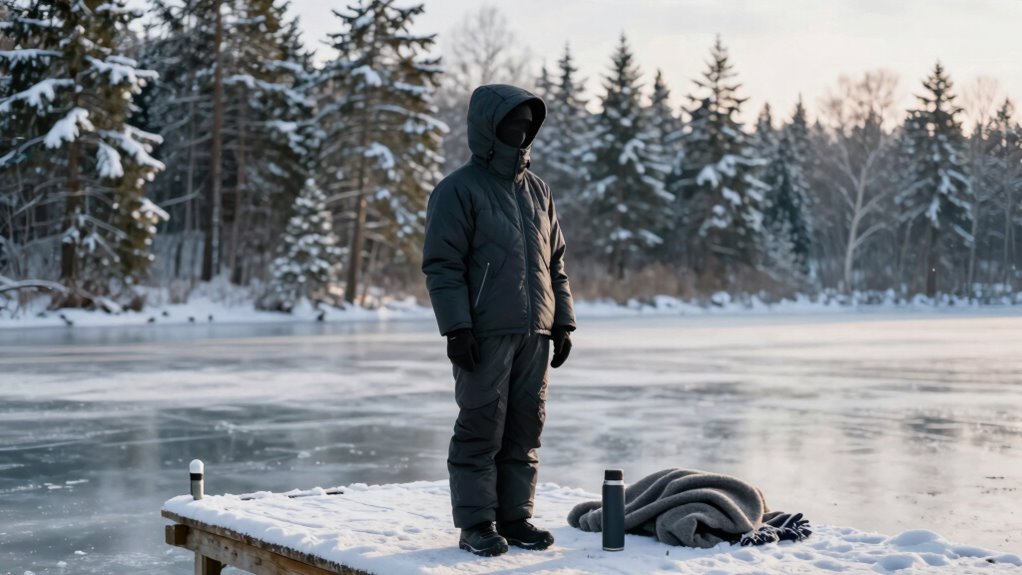
To make cold exposure easier to stick with, adopt simple practices like slow, controlled breathing to calm your nervous system and build tolerance. Shift your mindset to see cold as a challenge rather than an enemy, cultivating mental resilience through visualization and mindfulness. Incorporate gradual lifestyle changes, stay consistent, and develop habits that turn discomfort into confidence. Keep these strategies in mind, and you’ll discover how to make cold exposure a sustainable part of your routine.

Get home appliances delivered free — and shop member deals
- Fast, free delivery on millions of items
- Access to Prime Big Deal Days deals on October 6–7
- Prime Video, Amazon Music and more included
Key Takeaways
- Incorporate daily breathing and mindset practices to build mental resilience and reduce cold shock response.
- Gradually increase cold exposure to allow the body to adapt comfortably over time.
- Maintain a consistent routine that integrates mindfulness, proper diet, and hydration for overall readiness.
- Reframe cold as a manageable challenge, fostering confidence and reducing avoidance.
- Develop habits that make cold exposure a sustainable and even enjoyable part of your lifestyle.
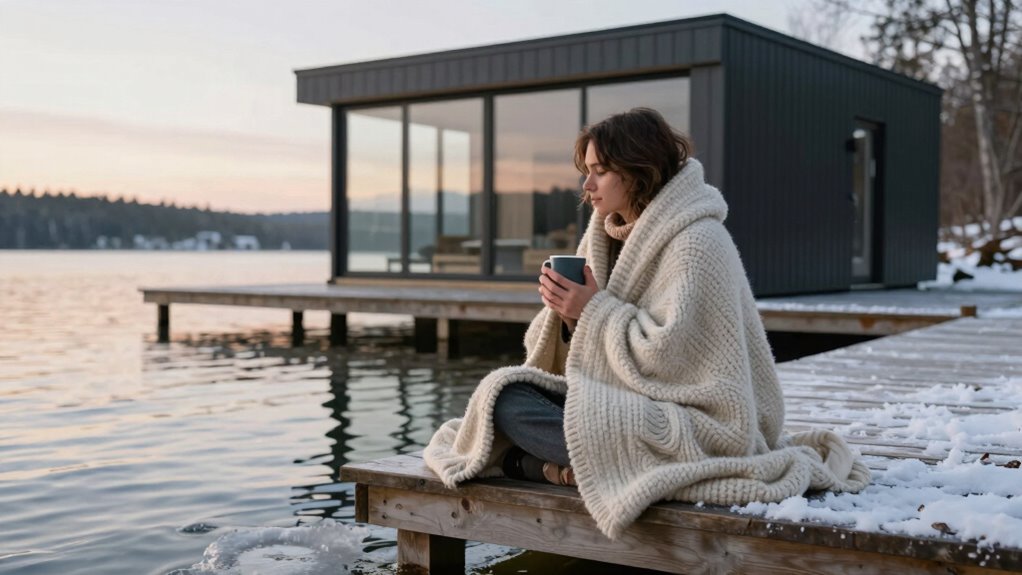
If you’ve ever struggled to stick with cold exposure routines, adopting a simple lifestyle shift can make a big difference. One of the most effective ways to make cold exposure easier is to focus on your breathing techniques. When you step into cold water or face the chill, your instinct might be to gasp or hold your breath, which only amplifies your discomfort. Instead, practice slow, controlled breathing—deep inhales through your nose, followed by steady exhales. This not only calms your nervous system but also helps regulate your body’s response to the cold, reducing shock and making the experience more manageable. Over time, this breathing pattern becomes second nature, allowing you to stay relaxed and better tolerate the cold.
Alongside breathing techniques, developing mental resilience is essential. Cold exposure can be intimidating, especially at first, but by shifting your mindset, you can make the process less overwhelming. Instead of viewing the cold as an enemy, see it as a challenge you’re capable of overcoming. Visualize yourself handling the cold with calm and confidence, which can diminish anxiety and reinforce your ability to endure. This mental shift transforms the experience from a stressful ordeal into an empowering practice. Regularly reminding yourself of the benefits—enhanced circulation, improved mood, increased energy—can also boost your motivation and help you stay consistent. Incorporating mindfulness practices can further strengthen your mental resilience and improve your overall experience.
Making small lifestyle adjustments can profoundly support your cold exposure journey. Incorporating mindfulness or meditation routines enhances your mental resilience, helping you stay centered when the cold hits. These practices train your mind to stay present and grounded, making it easier to manage discomfort. Additionally, maintaining a balanced diet and staying well-hydrated ensures your body is prepared for the stress of cold exposure. When your physical health is optimized, your body responds better, and you’re less likely to feel overwhelmed. Understanding the importance of proper preparation can help you gradually build up your tolerance and confidence in cold environments. Developing awareness of your body’s signals and reactions can also improve your overall cold tolerance.
Ultimately, the key to sticking with cold exposure is consistency. By integrating effective breathing techniques and cultivating mental resilience into your daily routine, you build a foundation that makes enduring the cold feel less overwhelming. Over time, these practices become habits, and the cold no longer feels like an insurmountable obstacle but rather a manageable challenge that you’re capable of handling. This simple lifestyle shift—focusing on your breath and mindset—can transform your cold exposure experience, making it sustainable and even enjoyable.
Frequently Asked Questions
How Does Cold Exposure Impact Mental Health Long-Term?
Cold exposure boosts your mental resilience and improves emotional regulation over time. As you regularly face the cold, you learn to manage stress better and stay calm under pressure. This practice strengthens your mind, making you more adaptable to life’s challenges. Long-term, it helps reduce anxiety and depression by releasing mood-enhancing chemicals. Consistent cold exposure trains your brain to stay balanced, fostering a healthier, more resilient mental state.
Can Cold Exposure Improve Sleep Quality?
Did you know cold exposure can boost sleep quality by stimulating sleep regulation? When you expose yourself to cold, your body releases endorphins and reduces core temperature, which signals your brain it’s time to sleep. This natural process can enhance sleep quality and help you fall asleep faster. Incorporating cold exposure into your routine may promote better sleep patterns, making it an effective, natural sleep enhancement method.
Are There Specific Foods That Enhance Cold Adaptation?
You can enhance your cold adaptation by focusing on superfood synergy and nutrient timing. Foods rich in antioxidants, omega-3s, and vitamins like berries, leafy greens, and fatty fish support your body’s resilience. Consuming these nutrient-dense foods at strategic times—like before cold exposure—boosts your energy and recovery. By aligning your diet with your cold exposure routine, you strengthen your body’s ability to adapt and thrive in colder environments.
What Are the Common Mistakes Beginners Make?
You’re risking your cold exposure journey by rushing into it without proper preparation. Beginners often skip essential breathing techniques, thinking they’re unimportant, but they’re your secret weapon for calming nerves and controlling shock. They also neglect gradual adaptation, jumping straight into freezing waters instead of easing in step-by-step. This reckless approach can lead to discomfort or injury. Take your time, master your breathing, and let your body adapt slowly for a safe, sustainable cold exposure routine.
How Does Cold Exposure Affect Individuals With Certain Health Conditions?
If you have certain health conditions, cold exposure might trigger cold intolerance, making you feel uncomfortable or worse. It can also influence metabolic adaptation, potentially helping your body improve how it manages temperature and energy. However, you should consult your doctor before starting cold exposure routines, especially if you have cardiovascular issues or other health concerns. Proper guidance guarantees you benefit safely without risking adverse effects.
Conclusion
By embracing these lifestyle shifts, you’ll find cold exposure becomes less intimidating and more natural—like sipping a cool drink on a summer’s day. As you adapt, you’ll notice the benefits stacking up, making it easier to stick with your routine. Think of it as your personal quest, much like a knight’s journey to legendary resilience. So, gear up, stay consistent, and soon, you’ll be chilling with confidence, no matter the season.
Fall Picks
fall essentials
As an affiliate, we earn on qualifying purchases.