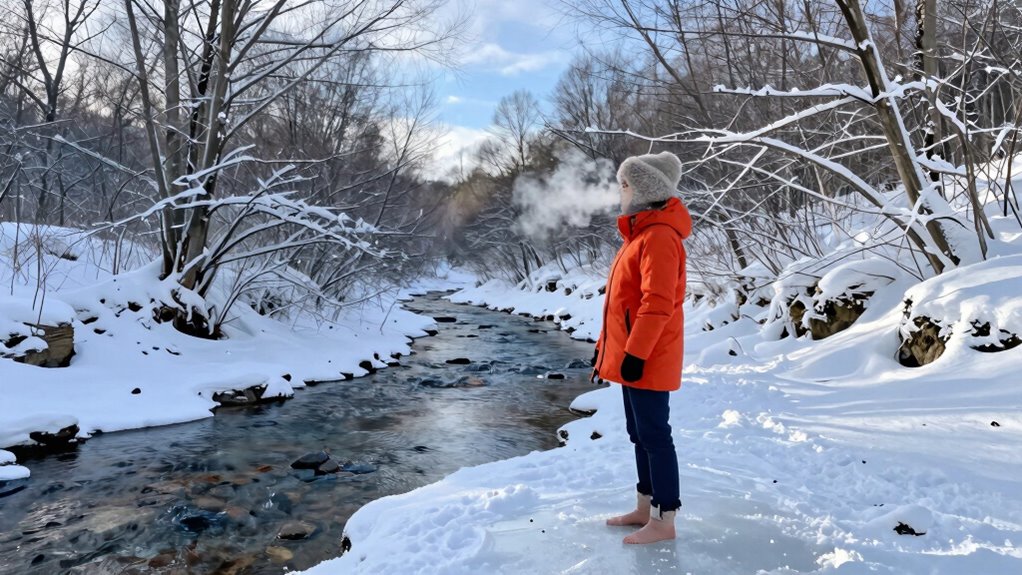

Cold exposure can temporarily boost your dopamine levels by activating your body’s stress response, which releases neurotransmitters like dopamine, norepinephrine, and endorphins. This reaction may improve your mood, alertness, and mental clarity—at least for a short time. However, claims that cold exposure causes long-term dopamine increases are often exaggerated. If you’d like a clearer understanding of how this works and what science really says, there’s more to uncover.

Get home appliances delivered free — and shop member deals
- Fast, free delivery on millions of items
- Access to Prime Big Deal Days deals on October 6–7
- Prime Video, Amazon Music and more included
Key Takeaways
- Cold exposure activates the sympathetic nervous system, temporarily increasing dopamine levels through neurotransmitter release.
- The dopamine boost from cold therapy is usually short-lived and varies among individuals.
- Cold exposure also elevates other neurotransmitters like endorphins and norepinephrine, supporting mood and alertness.
- Excessive or prolonged cold exposure can cause adverse effects, and claims of long-term dopamine increases are often exaggerated.
- Scientific evidence supports short-term dopamine boosts from cold exposure, but long-term benefits remain uncertain.

Cold exposure can considerably influence dopamine levels, impacting your mood, motivation, and overall mental health. When you engage in cold therapy, whether through cold showers, ice baths, or cold outdoor exposure, your body responds in ways that may boost dopamine production. This increase can enhance your mood regulation, helping you feel more alert, focused, and positive. Many proponents claim that regular cold exposure can serve as a natural way to elevate dopamine levels, providing a mental boost without medication. However, it’s important to understand the science behind these claims and separate fact from viral hype.
Your body reacts to cold therapy by activating the sympathetic nervous system, which triggers the release of various neurotransmitters, including dopamine. This process is part of the body’s survival mechanism, preparing you to respond to the stress of cold. The sudden drop in temperature prompts your brain to produce more dopamine, potentially leading to improved mood and increased motivation. Some research indicates that this boost in dopamine may last for a short period after cold exposure, contributing to feelings of well-being and mental clarity. For individuals experiencing mood regulation issues, cold therapy might offer a supplementary benefit, but it’s unlikely to be a standalone treatment.
Cold therapy activates the sympathetic nervous system, briefly boosting dopamine and enhancing mood and motivation.
While there’s promising evidence that cold exposure can influence dopamine levels, the extent and consistency of these effects vary widely among individuals. Factors such as the duration and intensity of cold exposure, your overall health, and even your mental state at the time all play a role. Some studies suggest that moderate cold exposure can positively affect neurotransmitter balance, but excessive or prolonged exposure could have adverse effects. It’s crucial to approach cold therapy with caution, gradually increasing exposure to avoid shock or hypothermia. Additionally, understanding the role of contrast ratio in visual perception is unrelated but highlights how specific technical factors can influence outcomes in different contexts.
Beyond dopamine, cold exposure also impacts other neurotransmitters like endorphins, which contribute to a feeling of euphoria, and norepinephrine, which enhances alertness. These combined effects can help improve mood regulation, but they are not a guaranteed or universal outcome. The viral claims about cold therapy providing long-term dopamine boosts are often exaggerated. While some individuals report mood improvements, these effects tend to be temporary and vary widely.

Cold Life Filtered Shower Head for Hard Water -Recommended by Gary Brecka
- Multi-stage Filtration: Removes chlorine, heavy metals, PFAS
- Hard Water Protection: Reduces dryness, irritation, mineral buildup
- High Pressure Flow: Maintains strong, consistent water pressure
As an affiliate, we earn on qualifying purchases.
As an affiliate, we earn on qualifying purchases.
Frequently Asked Questions
How Long Should Cold Exposure Sessions Last for Dopamine Benefits?
For dopamine benefits, you should aim for cold exposure sessions lasting about 2 to 5 minutes, depending on your tolerance. Duration planning is key to maximize timing without risking overexposure. Start with shorter sessions, around 1-2 minutes, then gradually increase as your body adapts. Consistency matters, so finding an ideal timing that fits your routine ensures you get the most benefits safely.
Are There Risks Associated With Frequent Cold Exposure?
Cold exposure can carry certain risks, especially if you experience frequent cold shock. You might weaken your immune response or cause unwanted stress on your cardiovascular system. Overdoing it could lead to frostbite, hypothermia, or other health hazards. Always approach cold exposure cautiously, listening to your body’s signals, and consult a healthcare professional if you have underlying health conditions. Prioritize safety over sensationalized sensations.
Does Cold Exposure Improve Mental Health Beyond Dopamine?
Cold exposure can improve mental health by triggering hormesis effects and adaptive responses in your body. These stressors may enhance resilience, reduce anxiety, and improve mood over time. As your body adapts to cold, it activates mechanisms that support mental well-being. However, individual responses vary, so it’s important to approach cold exposure cautiously and consult professionals if you have underlying health issues.
Can Cold Exposure Replace Traditional Treatments for Depression?
Cold exposure can’t replace traditional treatments for depression, but it might boost your mood by encouraging cold adaptation and strengthening your immune response. While cold showers or ice baths can support mental well-being, they shouldn’t substitute professional therapy or medication. Instead, incorporate cold exposure as a complementary practice, aiding your overall mental health journey. Always consult a healthcare provider before making significant changes to your treatment plan.
Is Cold Exposure Safe for Everyone, Including Vulnerable Populations?
Cold exposure isn’t safe for everyone, especially vulnerable populations like the elderly or those with heart conditions. Your body’s cold adaptation varies, and it can challenge your immune response if not done carefully. Before trying cold exposure, consult a healthcare professional. Proper gradual adaptation helps minimize risks, but understanding your personal health limits is key to safely benefiting from cold practices without compromising your safety.
As an affiliate, we earn on qualifying purchases.
Conclusion
Think of cold exposure like a brisk splash of water waking up your senses; it can potentially boost dopamine levels and sharpen your mood. While some studies suggest a link, others warn against jumping to conclusions. Just like dipping your toes into icy water, start slowly and listen to your body. Remember, science is still uncovering the full story, so approach cold exposure as a tool, not a miracle cure, and stay curious about what it can do for you.
As an affiliate, we earn on qualifying purchases.
As an affiliate, we earn on qualifying purchases.
Fall yard work Picks
leaf blowers
As an affiliate, we earn on qualifying purchases.