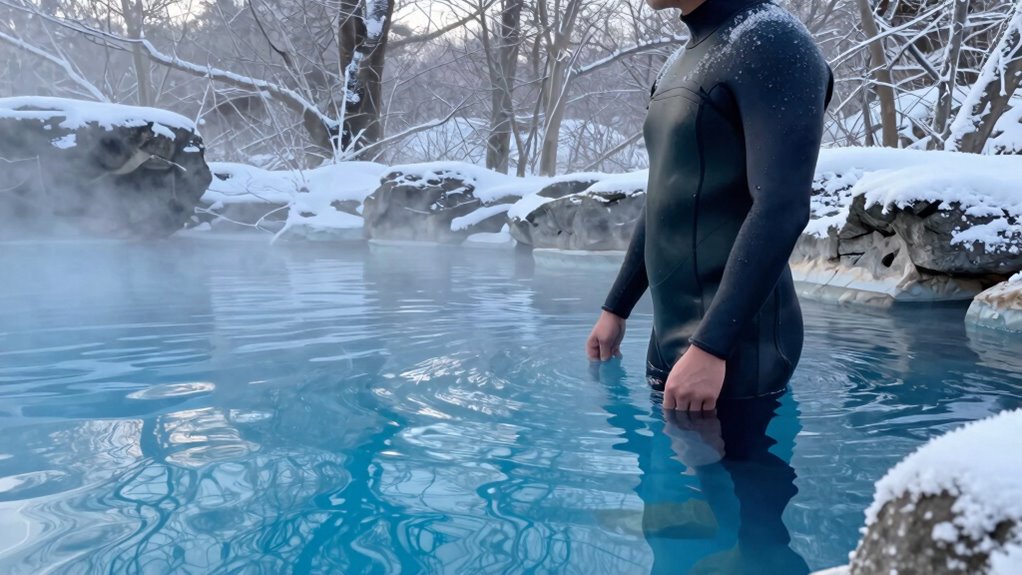

HRV and cold plunges can show you how your body responds to stress and recovery, revealing your autonomic nervous system’s balance. Cold immersions initially lower HRV by activating stress responses but may improve resilience over time. However, they can’t tell you everything about your health, like emotional states or long-term conditions. To get the most out of both tools safely, understanding their limits is key—continue exploring to learn more.
Key Takeaways
- HRV reflects autonomic nervous system balance but is influenced by many factors, so cold plunges provide only partial insight.
- Cold plunges cause immediate HRV changes, indicating stress response, but adaptation can lead to long-term parasympathetic benefits.
- HRV helps monitor recovery and stress levels, but it cannot diagnose specific health conditions or predict exact responses to cold exposure.
- External factors like environment, mood, or sleep can skew HRV readings, limiting their standalone reliability.
- Combining HRV data with cold plunge routines offers a more comprehensive view of resilience and recovery, but should be interpreted cautiously.

FITVII Screenless Fitness Tracker for Women Men, Health and Fitness Wearable with 24/7 Heart Rate, Blood Pressure and HRV Sleep Monitor, Subscription Free Activity Tracker for Android & iPhone
【Ultra-Slim Comfortable Design】FITVII ultra-slim, screenless smart bracelet form sits smoothly against your wrist, delivering continuous wellness tracking without…
As an affiliate, we earn on qualifying purchases.
As an affiliate, we earn on qualifying purchases.
What Is HRV and Why Does It Matter for Your Health?
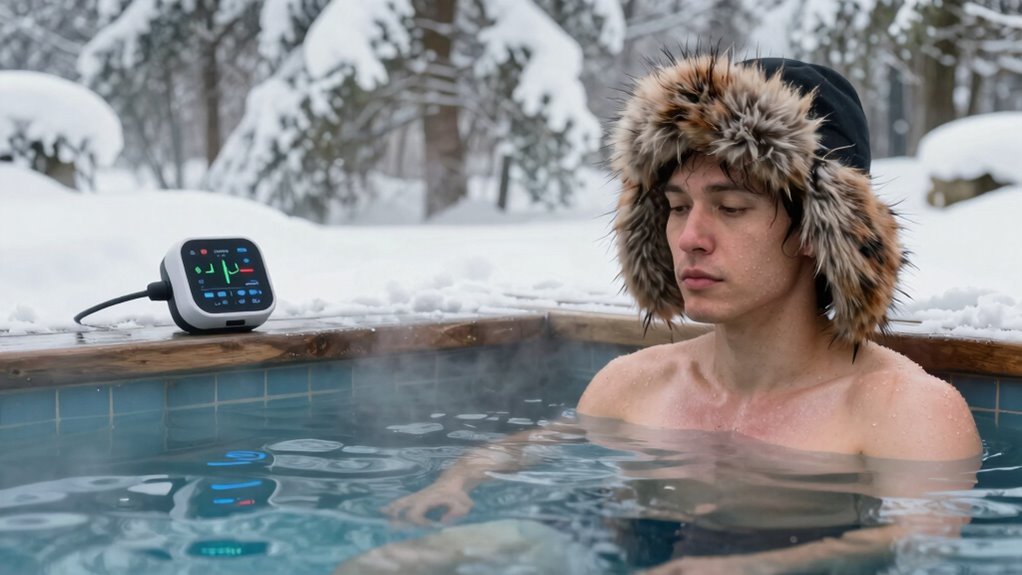
Heart rate variability (HRV) measures the fluctuations in the time between your heartbeats, and it’s a valuable indicator of your overall health. HRV reflects how well your autonomic regulation is functioning, which controls your involuntary bodily processes. A higher HRV suggests that your autonomic nervous system can adapt efficiently to stress and recovery, promoting better resilience and balance. Conversely, low HRV may indicate stress, fatigue, or health issues. By tracking HRV, you gain insight into your body’s ability to respond to daily demands and maintain stability. This makes HRV a useful tool for monitoring your wellness and understanding how lifestyle factors, like exercise or stress, influence your autonomic regulation. Additionally, autonomic nervous system plays a crucial role in maintaining your body’s internal balance, making HRV a key metric in assessing overall health. Understanding heart rate variability can help you identify early signs of stress or overtraining, allowing for timely adjustments to your routines. Monitoring your HRV trends over time can provide valuable feedback on your recovery and adaptation to various stressors, supporting your health goals. Ultimately, HRV provides a window into your body’s internal health. Incorporating high-quality projectors into your home setup can enhance your viewing experience and support your relaxation and stress management strategies. Incorporating biofeedback techniques can further enhance your ability to interpret HRV data and improve your stress response management.

Bubplay Ice Bath Cold Plunge Tub with Cover for Indoor Outdoor for Recovery, Cold Water Therapy, Athletes & Adults -105 Gallons, Black, XL
【XL Full-Body Cold Plunge for Most Adults】 Designed for an immersive ice bath / cold plunge experience with…
As an affiliate, we earn on qualifying purchases.
As an affiliate, we earn on qualifying purchases.
How Do Cold Plunges Affect Your Nervous System and HRV?

Cold plunges stimulate your nervous system by activating your body’s stress response, which can lead to immediate changes in HRV. This triggers an autonomic response, balancing your sympathetic and parasympathetic nervous systems. During immersion, your body works to maintain core temperature through thermoregulatory effects, causing fluctuations in HRV. Initially, your sympathetic nervous system ramps up, reducing HRV as your body responds to the cold stress. Over time, as you adapt, your parasympathetic activity may increase, restoring HRV levels. These shifts reflect your nervous system’s dynamic response to cold exposure, showcasing how your body manages stress and temperature regulation simultaneously. Understanding these effects helps you recognize the immediate impact of cold plunges on your autonomic function and HRV. Additionally, consistent cold exposure may support Free Floating mechanisms that promote resilience and balance within your nervous system. Cold exposure can also trigger adaptive responses that improve overall autonomic regulation over time. For example, repeated cold exposure can strengthen your body’s ability to manage stress more effectively, contributing to improved autonomic resilience. Furthermore, such practices may positively influence your stress adaptability and recovery capacity.
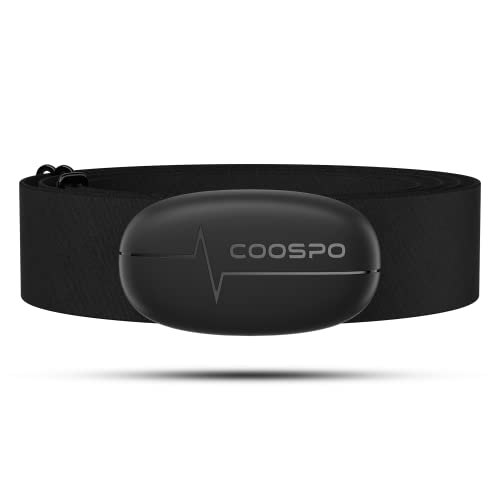
COOSPO H6 Heart Rate Monitor Chest Strap Bluetooth 4.0 ANT+ IP67 Chest Heart Rate Sensor for Peloton Polar DDP Yoga Map My Ride Garmin Sports Watches
±1BPM HEART RATE DATA – The H6 HR sensor can monitor high-performance real-time heart rate data while exercising,…
As an affiliate, we earn on qualifying purchases.
As an affiliate, we earn on qualifying purchases.
What Can HRV Tell You About Recovery and Managing Stress?

Since HRV reflects your body’s ability to adapt to stress and recovery, monitoring it provides valuable insights into your overall health. Higher HRV generally indicates better sleep quality, allowing your body to recharge effectively. Conversely, low HRV can signal increased stress or insufficient rest. It also offers clues about cortisol levels; elevated cortisol often correlates with lower HRV, indicating heightened stress. Tracking these changes helps you identify when you’re overtraining or need more relaxation, enabling proactive adjustments. Paying attention to HRV trends can help you better understand your body’s responses and prevent burnout. By paying attention to HRV trends, you can optimize your recovery strategies and manage stress more effectively. Additionally, understanding your HRV can be complemented by vacuum technology, which can help improve indoor air quality and reduce allergens that may impact your recovery and stress levels. Furthermore, integrating vetted wave and wind solutions can enhance environmental comfort, indirectly supporting your HRV and overall well-being. Being mindful of air quality can further enhance your recovery by reducing exposure to pollutants that may lower HRV. Incorporating air purification systems into your routine can significantly support better health outcomes. Ultimately, understanding your HRV gives you a clearer picture of how well your body handles daily demands, guiding you toward healthier habits and better resilience.

GRAT 88 Gallon Cold Plunge Tub for Recovery and Wellness
【88 GALLON INFLATABLE ICE BATH TUB】Spacious 88-gallon cold plunge tub with full-body immersion for adults; supports cold water…
As an affiliate, we earn on qualifying purchases.
As an affiliate, we earn on qualifying purchases.
What Are the Limits of Using HRV and Cold Plunges to Assess Your Well-Being?
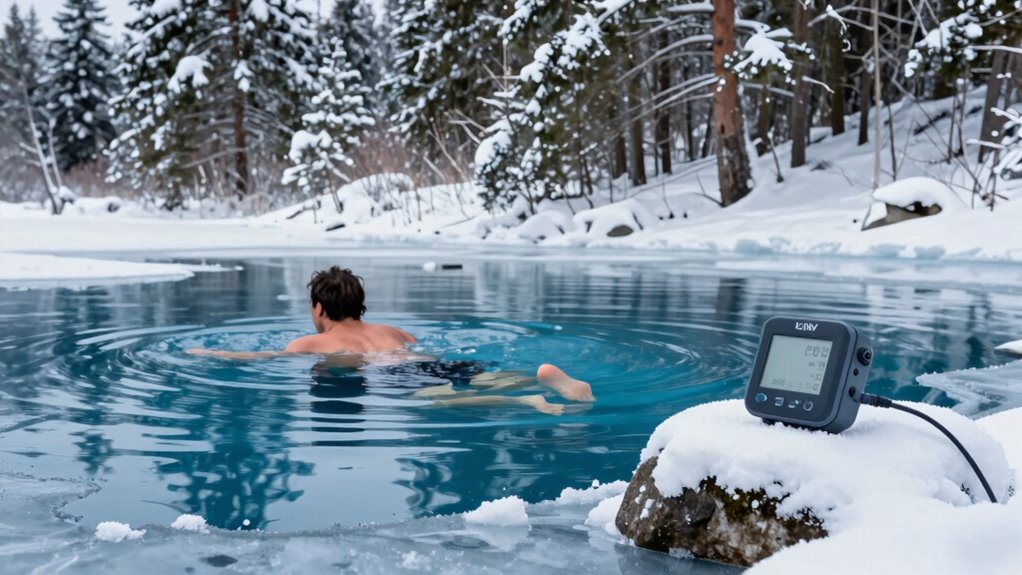
While HRV and cold plunges offer useful insights into your recovery and stress levels, they aren’t perfect measures of overall well-being. Several factors limit their accuracy:
- Psychological factors like anxiety or mood swings can skew HRV readings.
- Environmental influences, such as temperature or noise, affect your body’s response.
- Individual differences mean what’s normal for one person may not be for another.
- External stressors, like work pressure or sleep quality, aren’t always reflected directly in HRV or cold plunge responses.
- Additionally, understanding the recovery devices themselves can help interpret these signals more accurately.
- Recognizing the influence of environmental factors can improve how you interpret your readings and avoid misjudging your health status.
- Being aware of measurement variability can help you understand why readings may fluctuate day-to-day, even if your health remains stable.
- Considering individual physiological differences can enhance your interpretation of these tools and prevent misreading your health signals.
- Incorporating consistent measurement practices can help reduce fluctuations and provide more reliable data.
How to Safely Use HRV Data and Cold Plunges to Support Your Health Goals
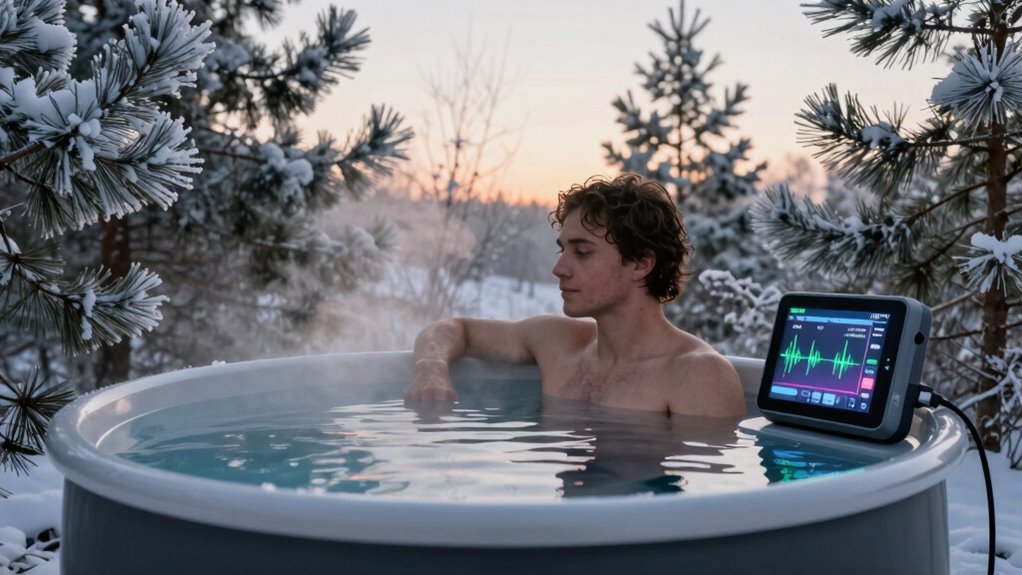
To safely incorporate HRV data and cold plunges into your health routine, it’s essential to start with a clear understanding of your individual baseline and listen to your body’s signals. Track your HRV consistently to identify patterns and avoid pushing beyond your limits. When beginning cold plunges, practice gradual adaptation by starting with shorter durations and lukewarm water, then slowly increasing intensity. Stay mindful of hydration, especially with cold exposure, as it supports recovery and overall balance. Pay attention to how your body responds—if you feel dizzy, overly fatigued, or unwell, stop and reassess. Incorporating smart gear and technology can help you monitor your progress more accurately, but always prioritize your body’s feedback over data alone. Recognizing individual variability can help you tailor your approach more effectively and safely. Understanding research-backed insights can further enhance your confidence in using these strategies safely and effectively. Additionally, being aware of physiological responses helps you interpret your HRV and cold plunge effects more accurately, reducing the risk of overtraining or adverse reactions. Being informed about clinical guidelines ensures you follow safe practices aligned with current health recommendations.
Frequently Asked Questions
Can HRV Predict Long-Term Health Outcomes Accurately?
HRV can offer insights into your overall health, but it isn’t a crystal ball for predicting long-term outcomes. Genetic factors and lifestyle influences, like stress, sleep, and activity levels, play a big role in shaping your HRV. While tracking HRV helps you understand your body’s current state, don’t rely solely on it for long-term health predictions, as these factors interact complexly and can change over time.
How Does Hydration Influence HRV Readings During Cold Plunges?
Hydration levels critically influence your HRV readings during cold plunges. If you’re well-hydrated, your water intake helps maintain stable blood volume, which can lead to more accurate HRV measurements. Conversely, dehydration can cause lower HRV readings, making it seem like your body’s under stress. To get reliable data, guarantee you’re properly hydrated beforehand, as water intake directly impacts your autonomic nervous system’s response during cold exposure.
Are There Specific HRV Patterns Associated With Different Cold Plunge Durations?
Shorter cold plunges often cause a quick cold response, raising your heart rate and decreasing HRV briefly. Longer dips may lead to a sustained decrease in HRV as your body adapts, showing a different pattern. You’ll notice these shifts by tracking your heart rate and HRV, helping you understand how your body responds to varying cold exposure durations. These patterns can guide you in optimizing your cold plunge routine effectively.
Can HRV Changes Indicate Mental Health Issues Beyond Physical Recovery?
Yes, HRV changes can reflect mental health and emotional regulation issues. When your HRV is consistently low, it may indicate stress, anxiety, or difficulty managing emotions. Monitoring these fluctuations helps you identify patterns linked to mental well-being. While HRV isn’t a definitive diagnosis, it offers valuable insights into your emotional health, allowing you to take proactive steps toward improving mental resilience and emotional regulation.
How Do Individual Differences Affect HRV Responses to Cold Exposure?
Did you know that age-related variability can cause HRV responses to cold exposure to differ by up to 50%? Your genetic factors play a significant role, influencing how your nervous system reacts. Younger individuals often show more pronounced HRV increases, while older adults might experience muted responses. These individual differences mean that your HRV response isn’t a one-size-fits-all indicator, so consider your age and genetics when interpreting your cold plunge results.
Conclusion
By understanding HRV and how cold plunges influence it, you gain a powerful tool to navigate your health journey. Remember, while they offer valuable insights, they’re just pieces of a larger puzzle—one that includes rest, nutrition, and stress management. Think of HRV and cold plunges as your compass, not the entire map. Use them wisely, and you’ll steer toward a balanced, resilient you—because sometimes, the most profound truths lie in the subtle signals of your body.