
When your skin feels numb in the cold, it’s because your cold receptors become overstimulated and disrupt nerve signals temporarily. These specialized nerve cells detect cold temperatures and send signals to your brain. Prolonged exposure or intense cold can overload these receptors, making nerve communication less effective and causing numbness. Understanding how cold affects these receptors can help you take steps to prevent or reduce numbness as you explore more tips.
Key Takeaways
- Cold receptors in the skin detect temperature drops and send signals to the brain about cold exposure.
- Prolonged cold can overstimulate these receptors, leading to nerve fatigue and numbness.
- Cold causes blood vessel constriction, reducing circulation and impairing nerve function.
- Reduced nerve signaling during cold exposure results in decreased tactile sensation and numbness.
- Overactive cold receptors and disrupted nerve pathways contribute to the temporary loss of skin sensation.
What Are Cold Receptors and How Do They Detect Cold?
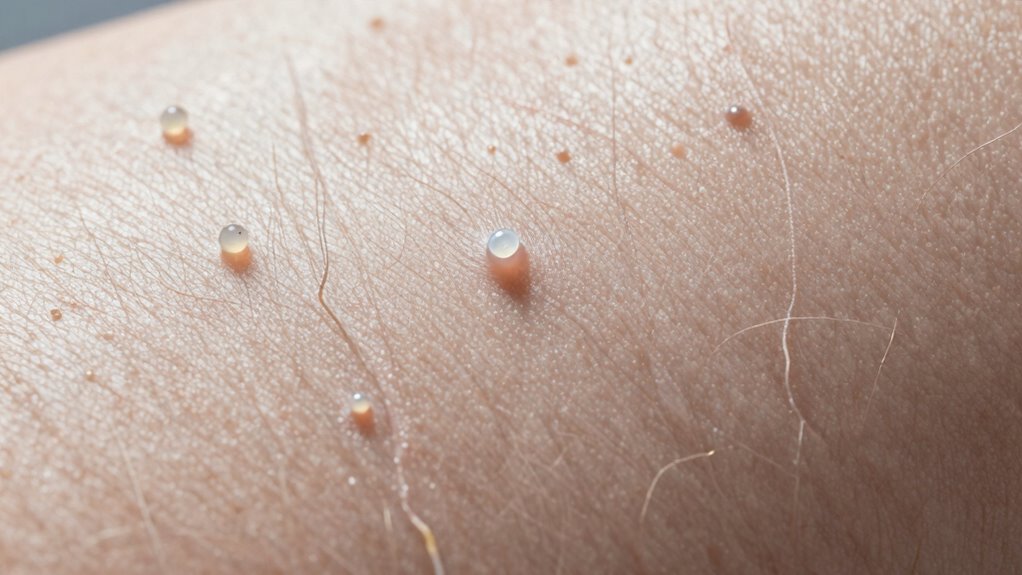
Cold receptors are specialized nerve cells located in your skin that detect temperature changes. These nerve endings are designed for cold sensing, allowing your body to perceive when the environment gets chilly. When exposed to cold, these nerve endings activate and send signals through your nervous system to your brain. This process helps you recognize cold temperatures and respond accordingly, like seeking warmth or adjusting your clothing. The nerve endings in cold receptors are highly sensitive to temperature fluctuations, making them essential for your body’s temperature regulation. By detecting cold sensations, these receptors play a critical role in protecting your skin and internal tissues from extreme cold exposure. Understanding how cold sensing works helps explain why your skin reacts the way it does in chilly conditions.
Why Does Cold Make Your Skin Feel Numb?

When your skin is exposed to low temperatures, it can start to feel numb or detached, and this happens because cold receptors become overwhelmed and less responsive. Cold exposure affects your body’s temperature regulation, signaling that your skin is cooling down too much. As cold receptors are activated, they send nerve signals to your brain to alert you of the chilly environment. However, prolonged cold causes these receptors to slow nerve signal transmission, reducing sensory input. This diminished signaling makes your skin feel numb because your brain receives fewer signals about touch and temperature. Additionally, the function of cold receptors is crucial in understanding how your body perceives extreme temperatures and how sensory nerve activity adapts during cold exposure. Cold overload hampers the normal nerve communication needed for sensation, leading to that numb feeling and a temporary loss of tactile awareness. This process highlights the importance of thermal regulation mechanisms in maintaining normal sensory function during temperature fluctuations.
What Factors Make Cold Receptors More Sensitive and Increase Numbness?

Certain factors can make cold receptors more sensitive, leading to increased numbness. Vasoconstriction effects narrow blood vessels, reducing blood flow and heightening nerve sensitivity factors. When your body reacts to cold, the skin’s blood vessels constrict, making nerves more reactive to cold stimuli. This heightened sensitivity amplifies the numbness sensation. The following table illustrates how these factors interact:
| Factor | Effect | Result |
|---|---|---|
| Vasoconstriction | Limits blood flow to skin | Increases nerve sensitivity |
| Cold exposure | Activates cold receptors more strongly | Enhances numbness |
| Nerve sensitivity factors | Heightened nerve response due to cold stress | Intensifies numbness |
Understanding these factors helps explain why your skin becomes more numb under certain conditions. Additionally, herbal remedies that promote circulation may help mitigate some of these effects. Knowing how vasoconstriction influences nerve sensitivity can guide you toward practical ways to reduce numbness during cold exposure, especially when combined with circulatory support techniques. Exploring blood flow enhancement methods can further assist in alleviating cold-induced numbness. For instance, engaging in gentle massage techniques can improve circulation and decrease numbness sensations.
How Can You Prevent or Reduce Cold-Induced Skin Numbness?
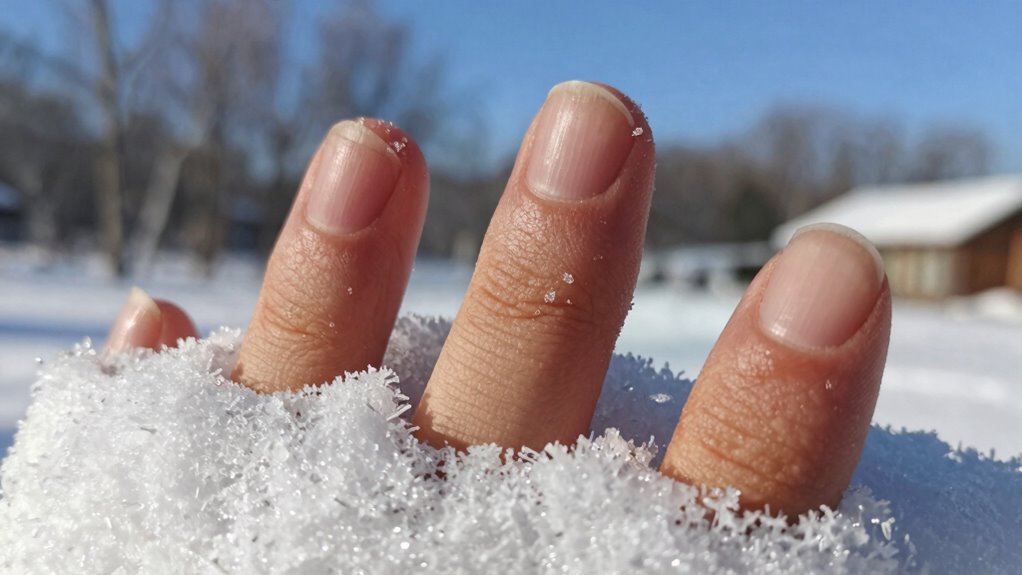
To prevent or reduce cold-induced skin numbness, you can take practical steps to keep your skin warm and maintain good circulation. Wearing insulated clothing and layering properly helps enhance skin insulation, trapping heat and preventing rapid cooling. Keeping active boosts blood circulation, which delivers warm blood to your extremities and helps prevent numbness. Avoid prolonged exposure to cold environments, and consider using hand and foot warmers when necessary. Staying dry is also vital, since moisture can increase heat loss. Regular movement encourages healthy blood flow and keeps your skin warm. Additionally, understanding cold receptor functions can help you better recognize and respond to early signs of cold-induced numbness. Knowing how cold receptors detect temperature changes allows you to take prompt action before numbness becomes severe. Recognizing early symptoms of cold exposure can also aid in preventing more serious effects. Being aware of the role of sensory neurons in detecting temperature variations can improve your overall response to cold conditions. By focusing on these strategies—improving blood circulation and enhancing skin insulation—you can notably reduce the risk of numbness caused by cold temperatures.
Understanding the Link Between Cold Receptors and Skin Numbness
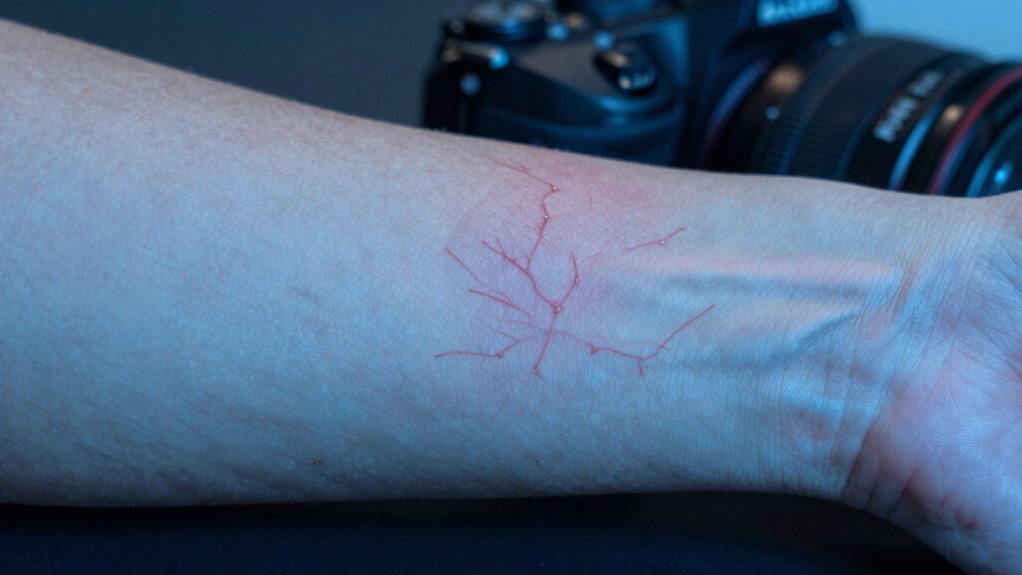
Cold receptors in your skin play a crucial role in detecting temperature drops and triggering the sensations associated with cold exposure. These cold receptor mechanisms activate when temperatures fall, sending signals through skin sensory pathways to your brain. When exposed to cold, your cold receptors respond by transmitting nerve impulses that inform your brain about the temperature change. If the cold exposure is intense or prolonged, these pathways can become overstimulated or disrupted, leading to numbness. This numbness occurs because the nerves temporarily lose their ability to transmit signals effectively. Understanding this link helps explain why your skin feels numb in cold environments—your cold receptors and skin sensory pathways are working together to protect you by alerting you to potential harm from cold exposure. Additionally, repeated or extreme cold exposure can cause nerve fatigue, further contributing to the sensation of numbness. Recognizing these mechanisms highlights how critical temperature regulation is for maintaining nerve function and overall skin health. Proper insulation and avoiding prolonged exposure can help prevent cold-induced nerve damage and preserve sensory function. Maintaining adequate warmth can also reduce the risk of nerve overactivation, which is essential for long-term skin health.
Frequently Asked Questions
Can Cold Receptors Malfunction or Become Damaged Over Time?
Cold receptors can malfunction or become damaged over time due to receptor aging or nerve damage. As you age, these receptors may lose sensitivity, making your skin less responsive to cold. Nerve damage from injuries or certain conditions can also impair cold receptor function, leading to numbness. If you notice persistent numbness or altered sensation, consult a healthcare professional, as these issues might indicate underlying nerve or receptor problems.
How Quickly Does Skin Numbness Occur After Cold Exposure?
You might start feeling skin numb within minutes of cold exposure due to cold shock triggering a nerve response. The cold shock causes your cold receptors to send rapid signals, leading to numbness as blood flow decreases. The speed depends on how cold it is and exposure duration. Typically, numbness can occur in just a few minutes, making your nerves react quickly to protect your body from the cold.
Are Some People More Prone to Cold-Induced Numbness?
You might find yourself more prone to cold-induced numbness if genetic predispositions or lifestyle factors play a role. Some people have nerve sensitivities or circulation issues that make them more vulnerable. Your genetics can influence how your body reacts to cold, while lifestyle choices like smoking or poor clothing habits worsen the risk. Stay alert—understanding these factors could be the key to protecting yourself from sudden numbness in freezing conditions.
Does Skin Color or Thickness Affect Cold Receptor Sensitivity?
Your skin color and thickness do influence cold receptor sensitivity. Melanin influence means that higher melanin levels can slightly reduce cold sensitivity, while lighter skin may feel cold more intensely. Skin density also plays a role; thicker skin provides better insulation, decreasing cold receptor response. So, if you have darker or thicker skin, you might notice less numbness in cold conditions compared to those with lighter or thinner skin.
Can Certain Health Conditions Increase Cold-Related Skin Numbness?
Absolutely, certain health conditions can dramatically increase your skin’s numbness from cold. Autoimmune disorders like rheumatoid arthritis or lupus can attack nerves, making cold even more painful and numb-inducing. If nerve regeneration slows down or stops, your skin feels like it’s frozen solid, even in mild cold. These conditions turn your skin into a battlefield, amplifying numbness and making it essential to seek medical advice for proper diagnosis and treatment.
Conclusion
So, next time your skin turns into a numb, icy shell, blame those tiny cold receptors working overtime—probably wondering why they signed up for this chilly chaos. Remember, a little warmth and some gloves can keep your nerves happy, and your skin feeling less like a frozen turkey. But hey, if you enjoy the sensation of your skin slowly turning into a popsicle, carry on—cold receptors are just doing their job, after all. Stay warm!