
When you turn red after cold exposure, your body activates the rewarming response by dilating blood vessels, a process called vasodilation. This increases blood flow to your skin, bringing warmth and oxygen-rich blood to your surface. The redness indicates your circulation is returning to normal as your body works to dissipate excess heat. If you keep exploring, you’ll discover more about how this mechanism helps your body stay balanced and healthy.
Key Takeaways
- Skin turns red during rewarming due to vasodilation, allowing increased blood flow to surface tissues.
- Vasoconstriction in cold causes paleness, while vasodilation during rewarming restores normal skin color.
- Redness indicates blood vessels are opening up to release heat and improve circulation.
- The color change reflects the body’s effort to dissipate excess heat and recover from cold exposure.
- Skin turning red signals the rewarming process is actively restoring healthy blood flow and circulation.
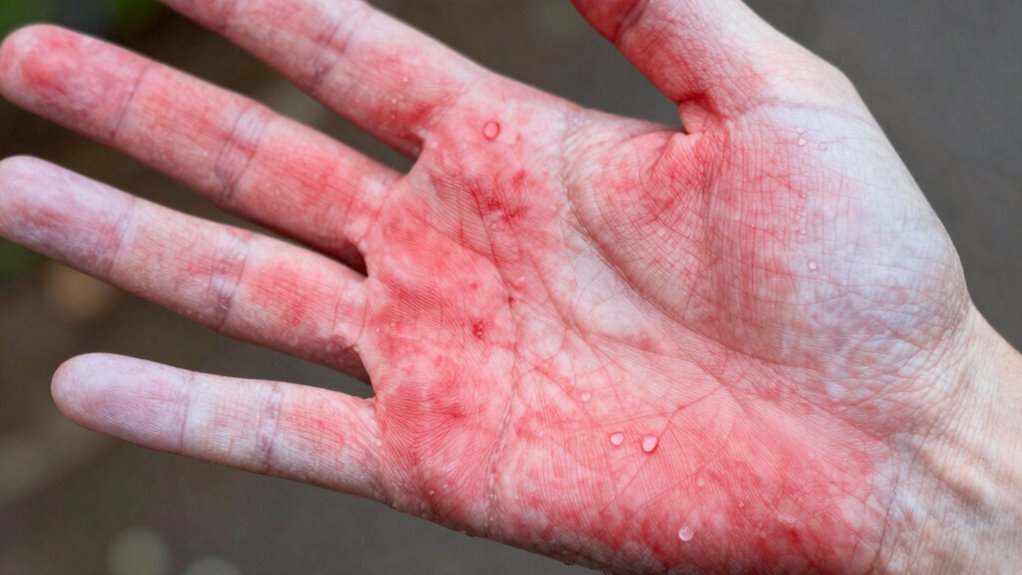
When your body is exposed to cold temperatures, it activates a complex rewarming response to restore normal function. One of the first reactions your body triggers involves blood vessel constriction, especially in your extremities. This process, called vasoconstriction, reduces blood flow to your skin and limbs, helping to conserve heat within your core organs like your heart and lungs. As a result, your skin appears paler or even bluish in some areas because less blood reaches the surface. This change in skin color is a clear sign that your body is prioritizing essential functions over peripheral warmth.
While vasoconstriction helps prevent heat loss, it also leads to a decrease in skin redness and a pale or white appearance, particularly on your fingers, toes, and face. This response is an immediate survival mechanism to keep your core temperature stable, but it also means that your skin’s usual color is temporarily diminished. As you stay in the cold, your blood vessels remain constricted, which limits circulation to the skin, making it look less vibrant and more subdued. This is why your skin looks cold and pale when exposed to low temperatures.
Vasoconstriction causes pale skin and reduced redness, signaling your body’s survival response to cold temperatures.
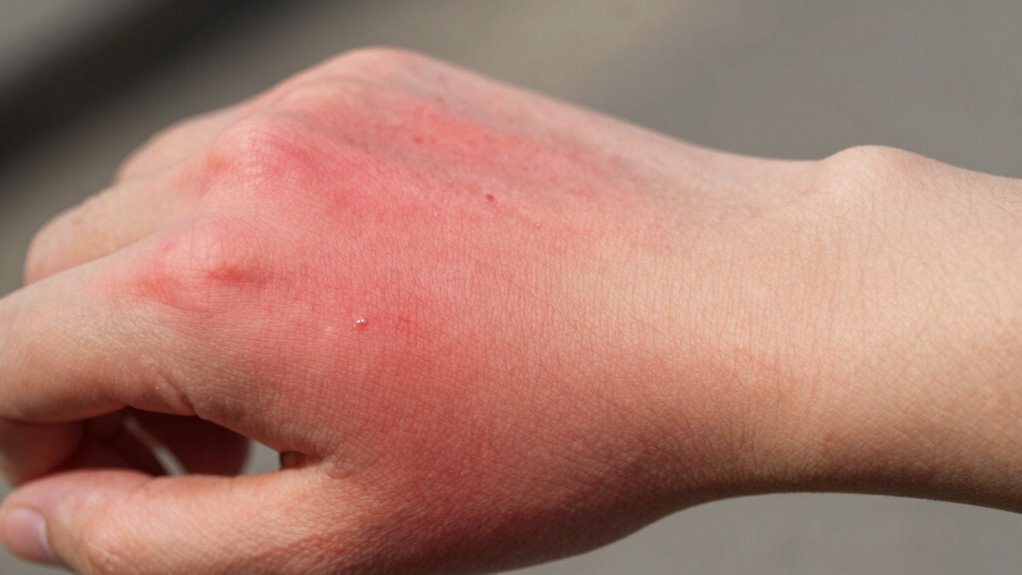
However, when you start warming up, the body shifts gears. As your core temperature begins to rise, your blood vessels dilate again—a process called vasodilation—allowing blood to flow back to your skin’s surface. It’s during this phase that you notice your skin turning red or flush because more blood is rushing into the capillaries near the surface. This skin color change is a visible sign that your body is actively rewarming itself, boosting blood circulation to dissipate excess heat and restore normal skin tone. The redness is your body’s way of signaling that it’s reversing the initial constriction and reestablishing healthy blood flow to your skin.
Understanding this process helps you realize that the redness after cold exposure isn’t just a cosmetic change but a crucial part of your body’s natural rewarming response. It indicates that your blood vessels are opening up again, allowing warm, oxygen-rich blood to reach your skin and extremities. This increased circulation not only warms your skin but also helps repair tissue and remove metabolic waste that may have accumulated during cold stress. So, when you notice your skin turning red after being cold, it’s a good sign that your body is actively working to restore its normal temperature and function, completing the cycle of rewarming in a healthy, efficient way. Additionally, this process is influenced by the body’s overall thermoregulation mechanisms that maintain internal stability despite external temperature changes.
Frequently Asked Questions
Can Turning Red Indicate a Health Issue?
Turning red can indicate a health issue if it’s persistent or accompanied by other symptoms. It happens because blood circulation increases to the skin, causing a change in skin pigmentation. While this redness often results from natural responses like temperature changes, ongoing or severe redness might signal underlying conditions such as rosacea, allergic reactions, or cardiovascular problems. If you’re concerned, consult a healthcare professional to rule out any serious issues.
How Long Does Redness Last After Rewarming?
The redness from cold-induced vasodilation typically lasts anywhere from a few minutes to an hour after rewarming. You’ll notice skin color changes as blood vessels expand to restore warmth, causing your skin to turn red temporarily. The duration depends on how cold you got and your body’s response. Usually, as blood flow normalizes, the redness fades. If it persists longer, consult a healthcare professional to rule out other issues.
Does Skin Redness Mean the Body Is Overheating?
No, skin redness doesn’t mean your body is overheating. It results from vasodilation mechanisms increasing skin blood flow to warm you up after cold exposure. When your blood vessels expand, more blood reaches the skin, causing redness. This process helps regulate your body temperature, so the redness indicates your body is actively restoring warmth, not overheating. Keep in mind, if redness persists or is accompanied by other symptoms, consult a healthcare professional.
Are There Risks Associated With Rapid Rewarming?
Rapid rewarming can pose risks because it triggers cold-induced vasodilation, which suddenly increases skin blood flow. This rapid change can lead to blood vessel damage or even hypothermia if not managed properly. You should rewarm gradually to avoid overwhelming your body’s ability to regulate blood flow. Controlled rewarming helps your blood vessels adapt safely, reducing the risk of complications and ensuring a healthier recovery from cold exposure.
Can Frequent Cold Exposure Affect Skin Redness?
Your skin might turn fiery red from frequent cold exposure, as cold skin becomes super sensitive to redness triggers. Repeated cold contact can overstimulate your blood vessels, making your skin react more intensely over time. It’s like your skin’s alarm system gets hyperactive, causing persistent redness. If you notice this happening, it’s a sign to give your skin a break and protect it from extreme cold to prevent long-term damage.
Conclusion
As your skin warms, it’s like a sunrise breaking through the winter gloom, turning a gentle blush into a fiery glow. That redness is your body’s way of celebrating its victory over the cold, sending blood rushing back like a lively river swelling after a drought. So next time you turn red after being chilly, remember, it’s your body’s fiery comeback story—a vibrant reminder that warmth is always just a heartbeat away.