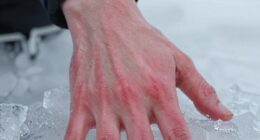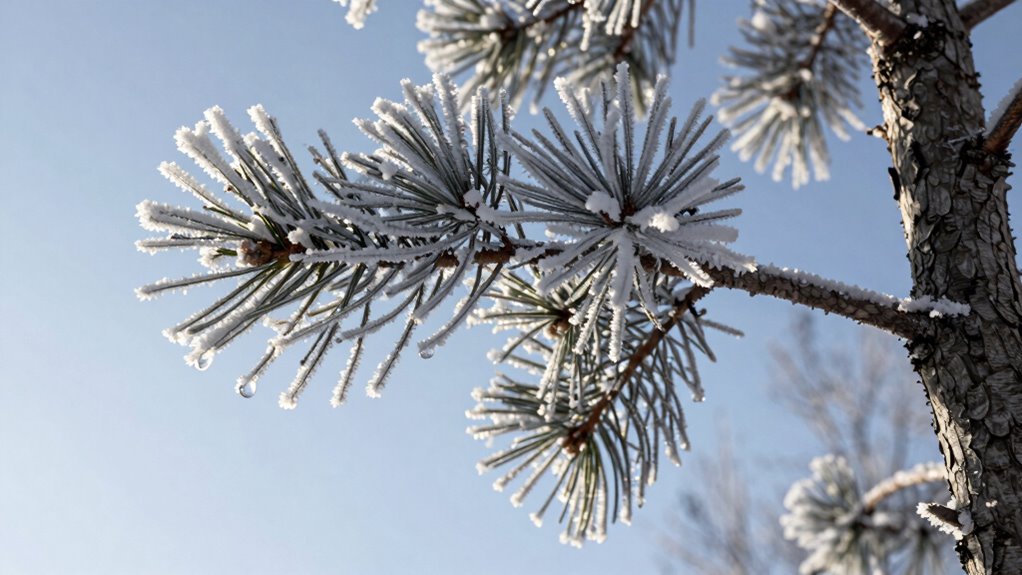
When you’re exposed to cold, your body releases norepinephrine, which triggers an alert, energizing response. It causes your heart to beat faster, sharpens your senses, and activates survival mechanisms like vasoconstriction to conserve heat. This surge boosts your awareness and makes you feel more alert, helping you react quickly to the chilly environment. If you want to understand how this process keeps you safe and alert, there’s more to discover below.
Key Takeaways
- Cold exposure triggers norepinephrine release, activating the body’s “fight or flight” response.
- Norepinephrine increases heart rate and blood flow, heightening alertness and awareness.
- It causes vasoconstriction, reducing skin blood flow and conserving core body temperature.
- Elevated norepinephrine levels sharpen senses, leading to feelings of heightened alertness.
- This hormone’s activation is part of the autonomic nervous system’s rapid survival response.

When your body is exposed to cold temperatures, it responds by releasing norepinephrine, a critical hormone and neurotransmitter that helps regulate your body’s response to the chill. This process is part of your autonomic nervous system, which manages involuntary functions like heart rate, blood flow, and temperature regulation. As the cold sets in, your body recognizes the threat to your internal stability and activates this system to protect you. One of the primary responses is the adrenaline response, where norepinephrine is released to prepare your body for action. You might notice this as a sudden surge of alertness or heightened awareness—your senses sharpen, and you feel more awake.
Cold exposure triggers norepinephrine release, boosting alertness and activating your body’s survival mechanisms automatically.
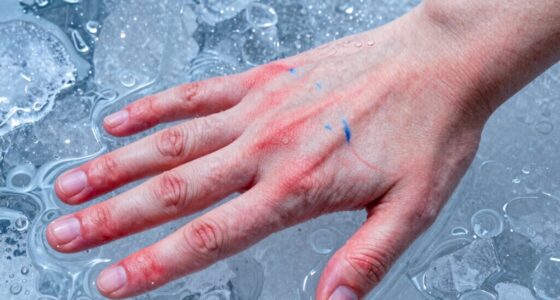
Norepinephrine’s role here is essential. It signals your blood vessels to constrict, reducing blood flow to your skin and extremities to conserve heat. This vasoconstriction causes your skin to feel cold and can lead to pale or bluish hues in your fingers and toes. At the same time, norepinephrine stimulates your heart to beat faster, pumping blood more efficiently to key organs. This increase in heart rate, driven by the adrenaline response, gives you that “alert” feeling, making you more vigilant and ready to respond to the cold environment. The surge of norepinephrine also activates metabolic processes that generate heat, helping to maintain your core temperature. Additionally, vasoconstriction helps preserve core heat, which is vital for overall survival.
Your autonomic nervous system orchestrates these reactions seamlessly, ensuring your body reacts swiftly to the cold without conscious effort. It’s like an internal alarm system designed to keep you safe from hypothermia and other cold-related dangers. The adrenaline response triggered by norepinephrine doesn’t just keep you warm; it also heightens your senses to detect potential threats or sources of warmth. You might feel a rush of energy, a quickening heartbeat, or even a slight tremor—all signs that your body is actively fighting the cold with the help of norepinephrine.
Understanding this response helps clarify why cold exposure can make you feel so alert and energized. It’s not just a physical reaction but an intricate, automatic process driven by your autonomic nervous system. Norepinephrine acts as a messenger, coordinating these quick, life-preserving adjustments. So, the next time you step into a chilly environment and suddenly feel more awake or hyper-aware, you’re experiencing your body’s natural adrenaline response—an essential part of how your nervous system keeps you safe and functioning in cold conditions.

Robelle 24 ft Heavy Duty Blue Winter Pool Cover for Above Ground Pools, 4 ft Overlap (28 ft Cover Size), Solid 8 x 8 Scrim, 2.36 oz/yd2, 10-Year Warranty, Style: 3524-4
Heavy Duty winter pool cover for 24 ft. round pools. This pool cover has a 4 foot overlap,...
As an affiliate, we earn on qualifying purchases.
Frequently Asked Questions
How Long Does It Take for Norepinephrine Levels to Peak During Cold Exposure?
You’ll typically see norepinephrine levels peak within about 10 to 15 minutes of cold exposure. The norepinephrine timing depends on your cold exposure duration, meaning the longer you stay in the cold, the more your levels rise until they reach their peak. Keep in mind, individual responses vary, but generally, a brief cold exposure of around 10 minutes is enough to trigger this alertness response.
Can Cold Exposure Help Improve Mental Focus Long-Term?
Imagine you start cold exposure regularly; over time, you notice improved mental clarity and better stress reduction. Studies suggest that consistent cold exposure can boost norepinephrine levels, enhancing focus and resilience. This practice trains your nervous system, leading to long-term benefits like sharper concentration and calmer responses. By making cold exposure a habit, you support your mental health and develop a stronger, more alert mind.
Are There Risks Associated With Excessive Cold Exposure and Norepinephrine Release?
Excessive cold exposure can pose risks like cold stress, which may lead to nerve damage if your body stays too cold for too long. While norepinephrine release can boost alertness, overdoing it might cause unwanted side effects such as increased heart rate or blood pressure issues. Always listen to your body, limit exposure, and avoid prolonged cold sessions to prevent nerve damage and other health problems.
How Does Individual Tolerance Affect Norepinephrine Response to Cold?
Your individual tolerance influences your norepinephrine response to cold, shaped by genetic factors and hormonal influence. If you’re genetically predisposed to a robust sympathetic response, you’ll likely release more norepinephrine, making you feel alert and energized. Conversely, hormonal variations, like cortisol levels, can modulate this release. Your unique physiology determines how intensely you react to cold, affecting both your alertness and how well you adapt over time.
Does Norepinephrine Influence Other Physiological Responses During Cold Exposure?
Norepinephrine influences various physiological responses during cold exposure through autonomic activation and hormonal regulation. You experience increased heart rate, blood vessel constriction, and shivering as your body works to maintain warmth. Norepinephrine triggers these responses, helping your body adapt quickly. Its role in hormonal regulation also boosts alertness and energy, ensuring you stay responsive and protected against the cold.
![QH.HOME 10x16ft Oval Pool Cover,[Ultimate Windproof & Tear-Resistant Fabric],Snug Fit with Patented Ratchet & Weight Rings,Solar Pool Cover for Above Ground Pools, Blocks Leaves &Waterproof](https://m.media-amazon.com/images/I/41Npz6HGHzL._SL500_.jpg)
QH.HOME 10x16ft Oval Pool Cover,[Ultimate Windproof & Tear-Resistant Fabric],Snug Fit with Patented Ratchet & Weight Rings,Solar Pool Cover for Above Ground Pools, Blocks Leaves &Waterproof
【Choose the right size and style for a snug fit】The QH.HOME 10x16 ft oval pool cover is designed...
As an affiliate, we earn on qualifying purchases.
Conclusion
As you step into the chill, your body ignites a surge of norepinephrine, turning you into a fiery phoenix rising from the cold. This powerful chemical fuels your alertness, sharpening your senses like a finely tuned instrument. So next time the cold bites, remember it’s your body’s way of sparking a vibrant, alert flame within you. Embrace the frost—it’s your internal alarm clock, awakening your senses to life’s icy call.

UIRWAY 18 Ft Round Pool Cover with Reflective Strips, Swimming Pool Cover for Above Ground Pools, Solar Cover Including Rope Tie and Luminous Ground Nails, PU Tarp Snug Fit for UV Protected
【Durable Protection】Round pool cover is made of 420D painted silver material and equipped with 8 windproof ropes and...
As an affiliate, we earn on qualifying purchases.

Uirway 600D Upgraded 18ft Pool Cover Round for Above Ground Pool, Tear Resistant Heavy Duty Fabric with Windproof Ratchet Locking & Reflective Drawstring, Weatherproof UV Protection, Anti-Slip Straps
【𝐔𝐩𝐠𝐫𝐚𝐝𝐞𝐝 𝟔𝟎𝟎𝐃 𝐓𝐞𝐚𝐫-𝐑𝐞𝐬𝐢𝐬𝐭𝐚𝐧𝐭】 Made from upgraded 600D thickened Oxford, 18ft round pool cover offers enhanced durability and tear...
As an affiliate, we earn on qualifying purchases.