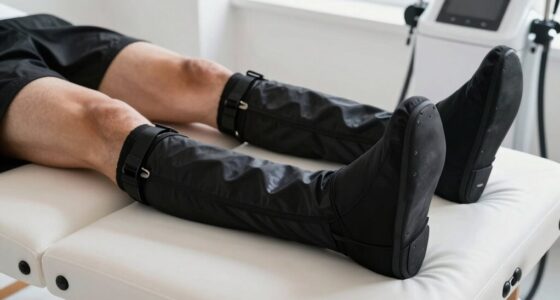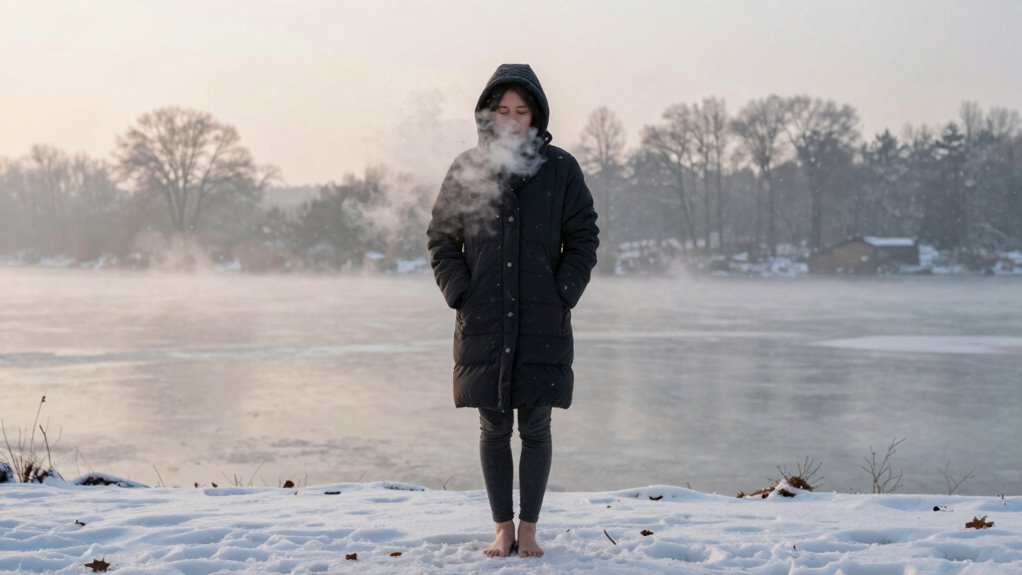

To restart cold exposure safely after a break, start with brief, controlled dips like cold showers or cool water, gradually increasing duration by 1-2 minutes each session. Focus on listening to your body’s signals and avoid pushing too hard too soon. Stay well-hydrated, practice steady breathing, and only continue if you feel comfortable. By taking slow, deliberate steps, you’ll rebuild your tolerance without feeling awful—more tips for a smooth shift are just ahead.

Get home appliances delivered free with Prime
- Fast, free delivery on millions of items
- Prime Video, Amazon Music and more included
- Member-only deals all year
Key Takeaways
- Begin with brief, gentle cold exposures and gradually increase duration by 1-2 minutes per session.
- Pay close attention to your body’s signals and stop if you experience persistent fatigue or shivering.
- Ensure proper hydration and practice steady breathing to support thermoregulation and nervous system stability.
- Avoid cold exposure when feeling unwell or overly fatigued to prevent setbacks and immune suppression.
- Progress slowly, building confidence and thermal adaptation step-by-step to prevent discomfort and shock.
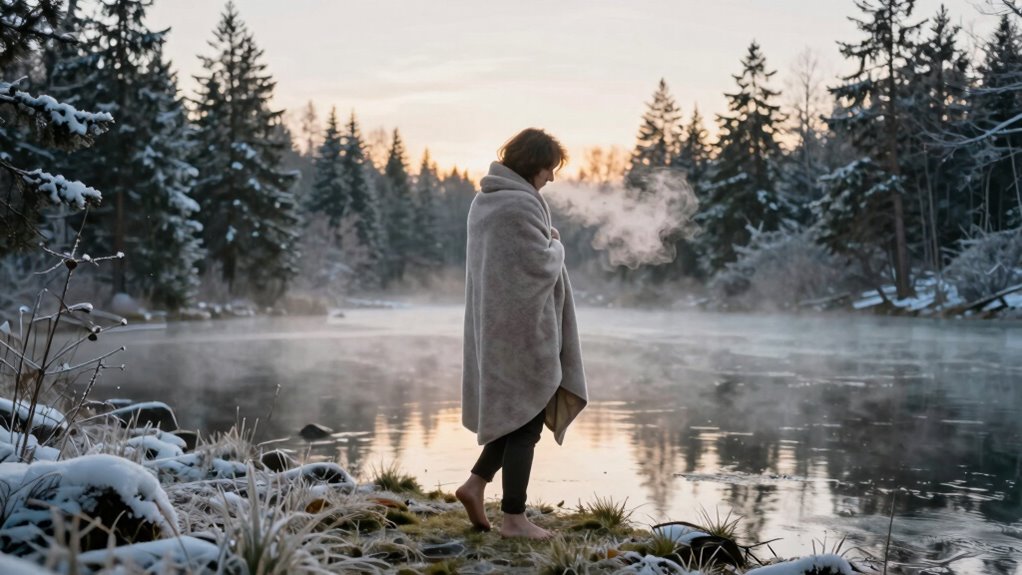
Have you taken a break from cold exposure and are unsure how to get back into it safely? Restarting cold exposure after a break can feel intimidating, especially if you’re worried about feeling unwell or overwhelmed. The key lies in understanding your body’s thermal adaptation and how cold exposure influences your immune response. When you’ve been away from regular cold exposure, your body’s ability to tolerate low temperatures may have decreased, so easing back in gradually is essential to avoid discomfort or adverse reactions.
Start slowly by reintroducing brief, controlled exposures. Instead of jumping right into long sessions, begin with a few minutes in cool water or a cold shower. This allows your body to re-establish its thermal adaptation without shocking your system. As you build confidence, gradually increase the duration by a minute or two each session. This step-by-step approach helps your body adjust its heat regulation mechanisms, which are vital for maintaining core temperature during cold exposure. Over time, your body becomes more efficient at conserving heat, reducing the risk of feeling overwhelmed or chilled to the bone.
Pay close attention to how your immune response reacts during this process. Cold exposure can stimulate your immune system, but if you push too hard too soon, it might temporarily weaken your defenses or cause you to feel sick. Listen to your body’s signals—if you experience persistent fatigue, shivering beyond the norm, or signs of cold stress, scale back and give yourself more time to adapt. Properly managing thermal adaptation means your body learns to handle cold without triggering excessive stress responses, which can compromise your immune functions. Additionally, understanding your body’s thermal adaptation process can help you set realistic expectations and prevent setbacks. Recognizing the importance of immune response management can further enhance your cold exposure routine. Being aware of your body’s thermal capacity allows you to tailor your practices safely and effectively. Developing an awareness of your body’s response to cold can also help you recognize when to rest or push forward in your routine. Incorporating gradual progression is essential for sustainable adaptation and avoiding setbacks.
Hydration and proper breathing are also vital. Staying well-hydrated helps your body regulate temperature more effectively, and deep, steady breaths support your nervous system, helping you stay calm and focused during exposure. As your tolerance improves, you might notice your immune response becomes more robust, with fewer colds or infections, thanks to the beneficial effects of controlled cold exposure. But always prioritize safety—avoid cold exposure when you’re feeling unwell or overly fatigued, as this can hinder your immune response and make recovery more difficult.
As an affiliate, we earn on qualifying purchases.
Frequently Asked Questions
How Long Should I Stay in Cold Exposure Sessions Initially?
Start with short cold exposure sessions, around 1 to 3 minutes, to ease back into cold adaptation. Focus on maintaining a comfortable, manageable duration and gradually increase session length as your body adapts. Pay attention to how you feel during each session, and don’t push too hard too fast. Consistent, gradual increases help build resilience without overwhelming your system, ensuring safe progress in your cold exposure journey.
What Are the Signs of Overexposure or Hypothermia?
Think of it like a walk through a digital forest—if you notice numbness, shivering, pale or blue skin, or confusion, you’re likely overexposing yourself or risking hypothermia. Cold weather can increase frostbite risk, especially on extremities. If you experience intense cold, dizziness, or clumsiness, stop immediately. These signs mean your body’s warning system is alerting you to back off before damage occurs. Stay vigilant and prioritize warmth.
Can Cold Exposure Improve Mental Health and Focus?
Cold therapy can markedly boost your mental clarity and overall mental health. When you engage in cold exposure, it triggers the release of endorphins and reduces inflammation, helping clear your mind and improve focus. Regular practice may also alleviate symptoms of depression and anxiety. As you reintroduce cold exposure after a break, start gradually to avoid discomfort, and listen to your body to maintain the mental health benefits safely.
Is There an Optimal Time of Day for Cold Exposure?
Research shows that morning cold exposure can boost alertness and set a positive tone for your day, making it an ideal addition to your morning routine. However, if you prefer winding down, an evening practice may improve sleep quality. Ultimately, the best time depends on your goals and schedule. Try both to see which fits your lifestyle best, and listen to how your body responds.
How Should I Adjust Cold Exposure for Different Seasons?
You should adjust your cold exposure based on seasonal adaptation and temperature variability. In colder months, gradually increase exposure time and lower water or air temperature to prevent shock, while in warmer seasons, you might shorten sessions or use less extreme cold. Listen to your body, and adapt your routine accordingly to avoid overexposure, ensuring safe and effective benefits regardless of seasonal changes.
As an affiliate, we earn on qualifying purchases.
Conclusion
Remember, restarting cold exposure is like gently immersing your toes back into a chilly lake—you don’t have to plunge in headfirst. Ease in, listen to your body’s whispers, and let the cold be your invigorating breeze, not a storm. With patience and mindfulness, you’ll find yourself acclimating once more, transforming the icy challenge into a revitalizing adventure. Embrace the cold’s dance, and watch how it awakens your spirit with every frosty breath.
As an affiliate, we earn on qualifying purchases.
As an affiliate, we earn on qualifying purchases.
Fall Picks
fall essentials
As an affiliate, we earn on qualifying purchases.