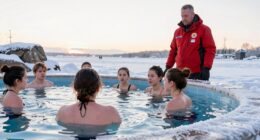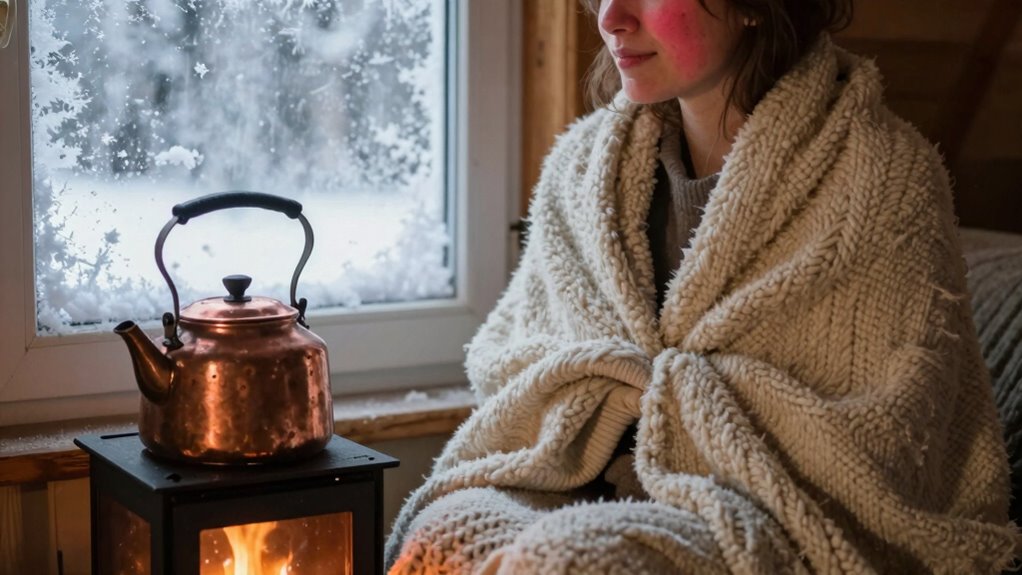

After a plunge, focus on controlled breathing—breathe deeply through your nose, then steady exhales to calm your nervous system. Move gently with slow stretches to boost blood flow without tiring yourself out. Find shelter, remove wet clothing, and wrap yourself in dry, warm layers or blankets. Drinking warm fluids can also help. Staying mindful of your body signals guarantees safety; if you want detailed tips to warm up safely, keep going.
Key Takeaways
- Immediately dry off and remove wet clothing, then wrap in a dry towel or blanket to retain heat.
- Find a warm, sheltered environment to protect against wind and cold drafts.
- Practice deep, steady breathing to calm the nervous system and regulate heart rate.
- Perform gentle stretching to stimulate blood flow and gradually raise body temperature.
- Consume warm fluids like tea or broth to help accelerate internal warming safely.
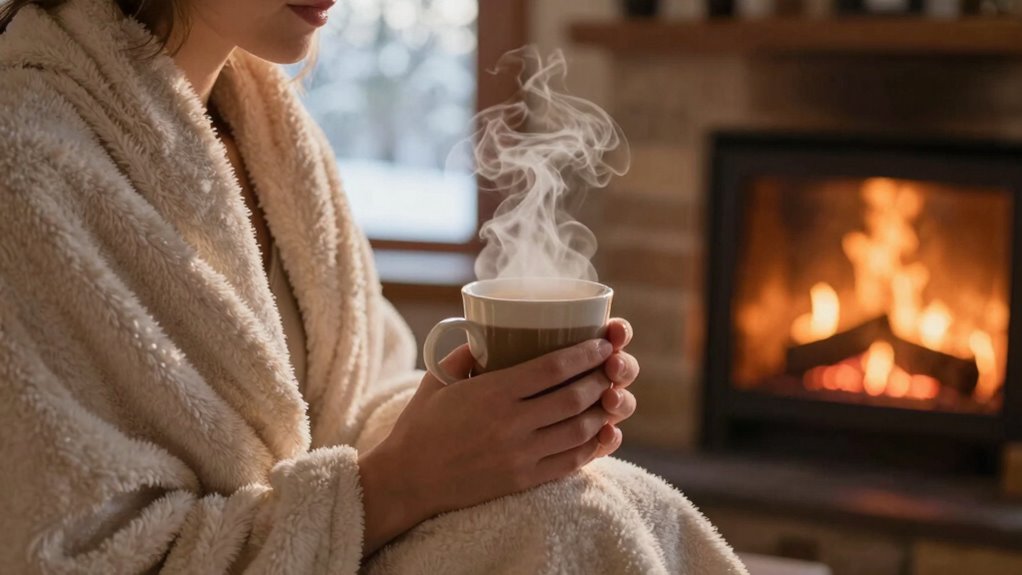
After taking an invigorating plunge into cold water, warming up quickly and safely is essential to prevent hypothermia and feel comfortable again. Your body has been jolted by the cold, and it needs a controlled approach to restore warmth. To start, focus on your breathing. Deep, steady breathing techniques help regulate your body’s response to the cold shock and promote circulation. Inhale slowly through your nose, allowing your lungs to fill completely, then exhale steadily through your mouth. This controlled breathing reduces panic, calms your nervous system, and begins to generate internal heat. As you practice these breathing techniques, avoid shallow or rapid breaths, which can increase your heart rate and make you feel more chilled.
Deep, steady breathing restores warmth and calms your nervous system after a cold water plunge.
Once your breathing is steady, gentle stretching becomes a crucial next step. Gentle stretching helps stimulate blood flow to your muscles, which is essential after exposure to cold water. Focus on slow, deliberate movements—stretch your arms overhead, gently twist your torso, or flex your legs. These movements shouldn’t be strenuous; rather, they should encourage circulation without exhausting your body. Stretching also alleviates muscle stiffness and prevents the tightness that often accompanies cold exposure. Be mindful not to overexert yourself, especially if you’re still feeling cold or slightly disoriented. The goal is to gradually increase blood flow, not to push your body too hard.
While performing these steps, keep your environment in mind. Find a warm, sheltered space if possible, to shield yourself from wind and drafts that can sap your body heat. Remove any wet clothing immediately—damp clothes draw heat away from your body, making warming efforts less effective. Wrap yourself in a dry towel or blanket, and if possible, layer with warm clothing. Drinking warm fluids, like tea or broth, can also accelerate warming, but avoid alcohol, which can impair your body’s ability to regulate temperature. Additionally, proper insulation during recovery helps maintain your core temperature and prevents further heat loss.
Throughout this process, listen to your body. If you feel dizzy, excessively shivering, or disoriented, stop and seek warmth immediately. Remember, the key to warming up safely after a cold plunge lies in controlled breathing, gentle movement, and protecting yourself from further heat loss. By following these steps, you’ll recover your warmth efficiently and reduce the risk of hypothermia, ensuring your cold water adventure remains safe and enjoyable.
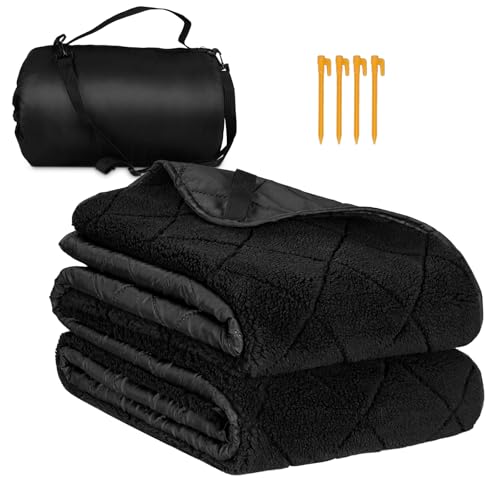
Northroad Waterproof Camping Blanket with Sherpa Lining, Large Windproof Outdoor Blanket for Cold Weather, Light Weight and Warm for Picnic, Stadium, Dog, Concert, 55"x82" (Black, 1PCS)
ULTRA-SOFT SHERPA LINING: This outdoor camping blanket features 300GSM ultra-thick soft sherpa fleece that provides warmth, comfort, and…
As an affiliate, we earn on qualifying purchases.
As an affiliate, we earn on qualifying purchases.
Frequently Asked Questions
How Long Should I Wait Before Re-Entering Cold Water?
You should wait at least 10 to 15 minutes before re-entering cold water immersion. During this time, your body temperature needs to stabilize, and your blood flow should return to normal. Pay attention to how you feel; if you’re shivering or still very cold, give yourself more time to warm up. Properly warming up reduces the risk of hypothermia and helps you enjoy cold water activities safely.
Are There Any Risks to Rapid Warming Techniques?
Rapid warming techniques can be a double-edged sword, like playing with fire. You risk cold shock and thermal shock, which can cause dizziness, heart strain, or even fainting. Your body needs time to adjust safely; rushing can overwhelm your system. Always warm gradually, using warm clothing or gentle heat, to avoid dangerous surprises. Safety first—slow and steady wins the race, especially when your body’s delicate balance is involved.
What’s the Best Clothing to Wear After a Plunge?
You should wear thermal clothing and insulating layers after a plunge. These layers trap heat and help you warm up quickly and safely. Opt for moisture-wicking base layers to keep sweat away from your skin, followed by insulated jackets or vests. Avoid tight clothing that can restrict circulation. Proper thermal gear guarantees you regain warmth efficiently without risking hypothermia or discomfort.
Can Warm Beverages Help in Warming up Faster?
Yes, warm beverages like hot tea can help you warm up faster after a plunge. Studies show your core temperature drops rapidly in cold water, but sipping a hot drink increases blood flow and raises your internal warmth. Wrap yourself in warm blankets while drinking to accelerate warming. This cozy combination restores your body temperature efficiently, making you feel comfortable and safe sooner.
How Do I Know if I’M Warming up Too Quickly?
You’ll know you’re warming up too quickly if your core temperature rises suddenly and you start shivering less or stop feeling cold altogether. A rapid increase in core temperature can cause your body to lose the natural shivering response, which is your primary way to generate heat. Keep track of how you feel, and if you notice these signs, ease your warming process to avoid overheating or sudden temperature shifts.

ATTRACO Thermals for Women Warm Under Clothes Ski Thermal Underwear for Extreme Cold Weather Black M
Heat & Warmth: Women's thermal underwear set features self-heating yarn technology that absorbs visible light and generates heat,…
As an affiliate, we earn on qualifying purchases.
As an affiliate, we earn on qualifying purchases.
Conclusion
Warming up after a plunge is quick and manageable when you follow these steps. Remember, your body is a powerhouse that’s just momentarily chilled, so give it time and gentle care. Drink warm fluids, do light movements, and dry off properly. If you stay patient and consistent, you’ll bounce back faster than you ever imagined — almost like your body has a secret superpower! Keep these tips in mind, and you’ll be back to feeling your best in no time.
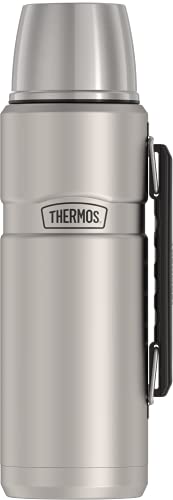
THERMOS Stainless King Vacuum-Insulated Beverage Bottle, 40 Ounce, Matte Stainless Steel
STAYS HOT OR COLD: THERMOS vacuum insulation technology for maximum temperature retention of hot or cold beverages. Perfect…
As an affiliate, we earn on qualifying purchases.
As an affiliate, we earn on qualifying purchases.

Cold Water Therapy and Hot Water Therapy System – Circulating Personal Heat/Cooling Device by Aqua Relief (ARS w/Back Pad)
HOW IS THIS HOT AND COLD THERAPY UNIT USED: Hot and cold water is quietly circulated through the…
As an affiliate, we earn on qualifying purchases.
As an affiliate, we earn on qualifying purchases.