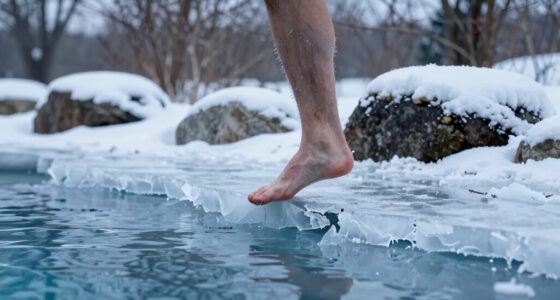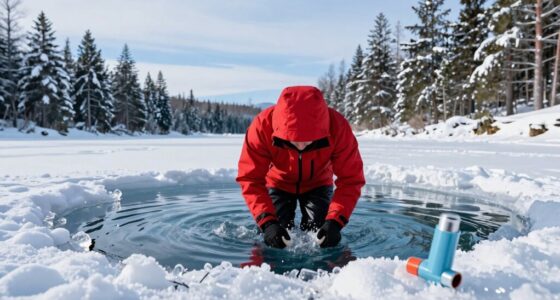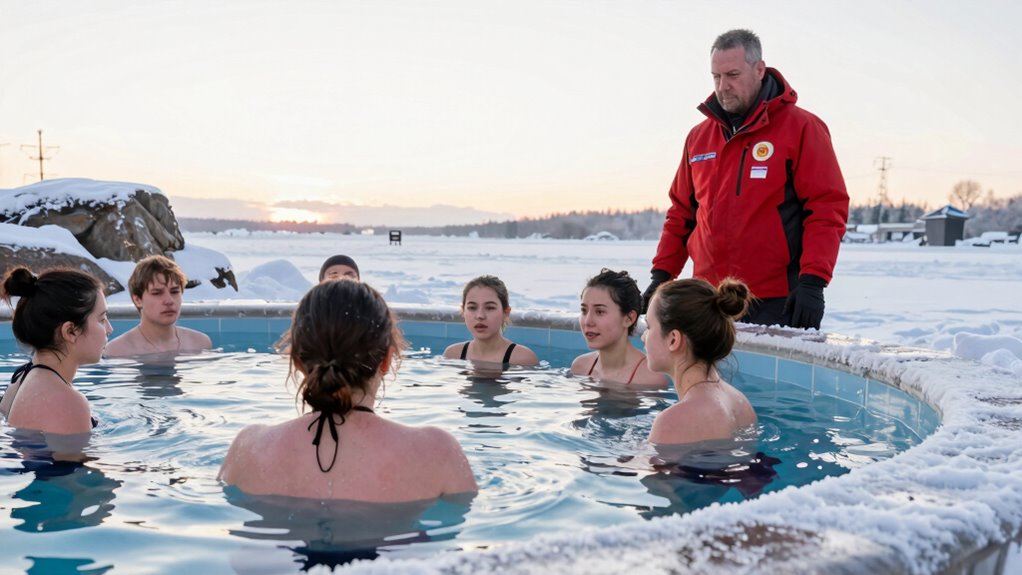

Many beginners skip essential safety rules like limiting plunge time, gradually building cold tolerance, and paying attention to body signals. Rushing into cold water or staying too long can cause shock, hypothermia, or injuries. It’s vital to start slow, use timers, and listen to how your body feels. Ignoring these precautions increases risks and diminishes benefits. If you want to stay safe and make the most of your cold plunges, there’s more you should know.
Listen free for 30 days with Audible
Thousands of audiobooks and originals — cancel anytime.
As an affiliate, we earn on qualifying purchases.
Key Takeaways
- Many beginners skip proper plunge timing, risking hypothermia and health emergencies.
- Rushing into cold water without gradual acclimatization increases shock and panic.
- Ignoring body signals like numbness or irregular breathing can lead to dangerous situations.
- Failing to use timers or limit exposure duration compromises safety and effectiveness.
- Neglecting patience and moderation reduces benefits and raises the risk of adverse effects.
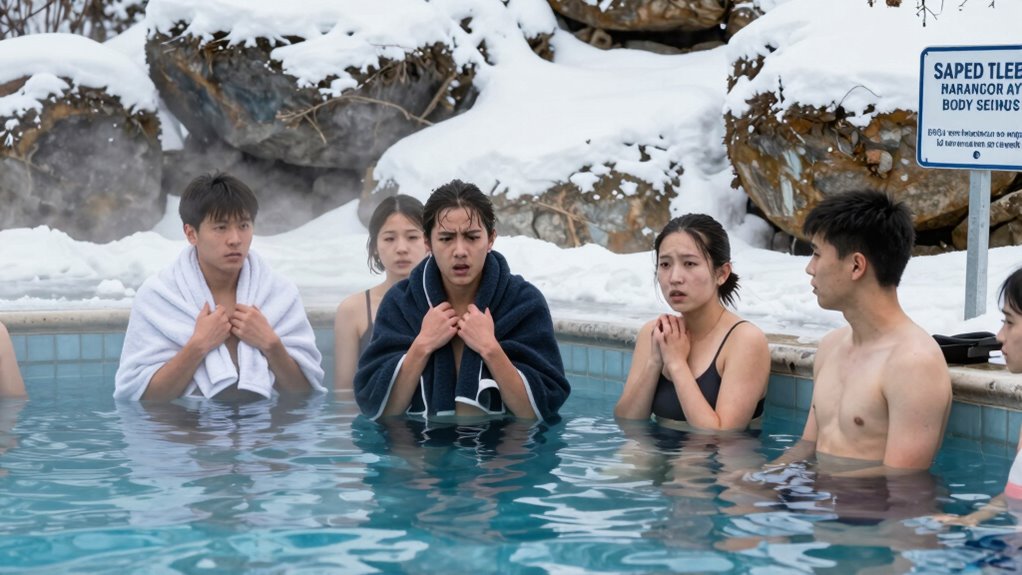
Taking a cold plunge can be invigorating and beneficial, but it’s essential to follow safety rules to prevent accidents or health issues. Many beginners leap into ice water without considering the importance of proper plunge timing or understanding the full scope of ice water benefits. While the quick rush of cold water can boost circulation, improve mood, and speed up recovery, rushing in without preparation can lead to hypothermia, shock, or other health risks. That’s why respecting the safety rule many overlook—taking it slow and listening to your body—is pivotal to safely enjoying the benefits.
Taking cold plunges safely requires patience, gradual exposure, and listening to your body’s signals to prevent health risks.
One common mistake beginners make is jumping in too quickly or staying in too long. Ice water benefits are maximized when you control your exposure—starting with short, controlled plunges and gradually increasing your time. Proper plunge timing is essential because staying in cold water for too long can cause your core temperature to drop dangerously low. Even if you’re excited to experience the full benefits, such as reduced inflammation and increased alertness, pushing your limits too fast can backfire. Instead, set a timer for your initial dips, typically around 30 seconds to a minute, and listen to how your body responds. Over time, you can extend your sessions but always stay mindful of your comfort and safety. Incorporating gradual exposure is vital for building tolerance safely, especially for beginners.
Another key point often skipped is understanding the importance of gradual acclimatization. If you’re new to cold plunges, don’t jump straight into icy water. Instead, start with cooler showers or cold baths, gradually decreasing the temperature over days or weeks. This slow adaptation helps your body build tolerance and reduces shock risk. Remember, ice water benefits are not just about the cold; they’re about controlled, mindful exposure. Rushing into extreme cold without proper preparation can lead to panic or hyperventilation, which increases risk. Developing cold water tolerance is crucial to safely enjoying these benefits over time. Incorporating body temperature regulation can make the experience more sustainable and safer in the long run. Additionally, understanding the role of cold water benefits helps reinforce why gradual exposure is essential for safety. Recognizing the importance of safety rules in cold plunging is integral to avoiding unnecessary health emergencies and ensuring consistent progress. Timing is essential—knowing when to get out is just as important as when you get in. Many people underestimate the importance of plunge timing, thinking longer is better. In reality, short but consistent sessions are more effective and safer, especially when you’re just starting. If you notice your limbs turning numb or your breathing becoming irregular, it’s time to exit immediately. Proper plunge timing combined with awareness of your body’s signals ensures you enjoy the health benefits without risking your safety. Remember, patience and moderation are your best tools for making cold plunges a safe, sustainable practice.
As an affiliate, we earn on qualifying purchases.
Frequently Asked Questions
How Long Should Beginners Stay in a Cold Plunge?
As a beginner, you should start with just 30 seconds to 1 minute in a cold plunge. This helps build your cold tolerance gradually and boosts your mental resilience without overwhelming your body. Listen to your body, and don’t push too hard too fast. Over time, as you adapt, you can increase your time safely. Remember, patience is key to developing both physical and mental strength.
Can Cold Plunges Cause Hypothermia?
Cold plunges can cause hypothermia if you’re not cautious, especially if you stay in too long or have underlying health issues. About 1 in 10 people experience symptoms of hypothermia from prolonged cold exposure. To protect your immune response and avoid hypothermia, limit your time in the cold, listen to your body, and gradually build tolerance. Always prioritize safety to enjoy cold plunges healthily.
What Are the Signs of Cold Shock?
Cold shock symptoms include rapid breathing, increased heart rate, and a sudden gasp reflex. You might feel panic, dizziness, or muscle spasms if cold shock occurs. To prevent cold shock, it’s crucial to enter the water gradually, control your breathing, and stay calm. Recognizing these symptoms early helps you respond effectively, reducing risks. Always prioritize cold shock prevention by easing into cold water slowly and never panicking if you experience initial discomfort.
Should I Consult a Doctor Before Trying Cold Plunges?
Yes, you should definitely consult a doctor before trying cold plunges. A medical consultation helps identify any underlying health risks, such as heart problems or circulation issues, that could be worsened by cold exposure. Your doctor can advise you on safety precautions and whether cold plunges are suitable for your health condition. Always prioritize professional guidance to prevent potential risks and guarantee a safe, beneficial experience.
Is There an Ideal Temperature for Cold Plunges?
Yes, there is an ideal temperature for cold plunges, typically between 50°F to 59°F (10°C to 15°C). Proper temperature regulation is essential for safe cold immersion techniques, as it guarantees you reap benefits without risking shock or hypothermia. Beginners should start at the higher end of this range, gradually decreasing temperature as they build tolerance. Always listen to your body and avoid plunges that feel too extreme or uncomfortable.
As an affiliate, we earn on qualifying purchases.
Conclusion
Remember, safety is your top priority. Respect the cold, listen to your body, and never rush your plunge. Prepare properly, stay vigilant, and exit calmly. Embrace patience, practice moderation, and always prioritize your well-being. By following these simple rules, you protect yourself, enhance your experience, and ensure that each plunge is safe and invigorating. Make safety your habit, and enjoy the cold with confidence, clarity, and care.
As an affiliate, we earn on qualifying purchases.
As an affiliate, we earn on qualifying purchases.
Flea & tick season Picks
flea and tick prevention
As an affiliate, we earn on qualifying purchases.