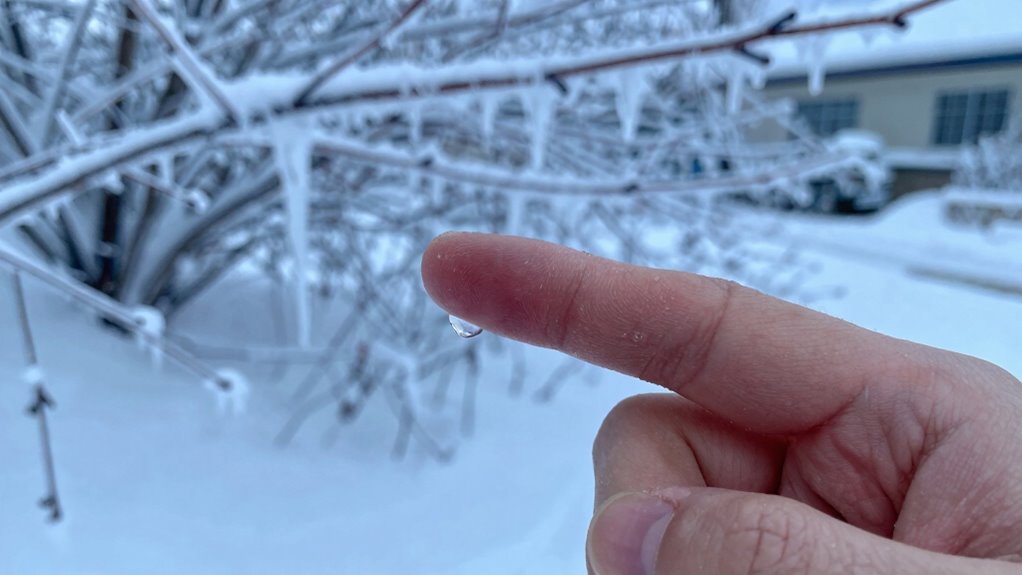

You should delay cold exposure if you notice signs of cold intolerance like numbness, skin discoloration, or persistent cold sensitivity, as these can indicate increased frostbite risk. If you experience pain, excessive shivering, or discomfort during cold conditions, it’s important to stop and seek professional advice before continuing. Recognizing these symptoms early helps prevent serious injuries. Keep in mind, understanding your body’s signals can make all the difference—more guidance on managing cold safely awaits.
Key Takeaways
- If you experience persistent numbness, discoloration, or pain during cold exposure.
- When symptoms of cold intolerance or frostbite signs appear.
- If you have underlying health conditions like diabetes or circulation issues.
- When unsure about safe temperature limits or duration for cold exposure.
- If your body’s response worsens or does not improve despite reducing exposure.
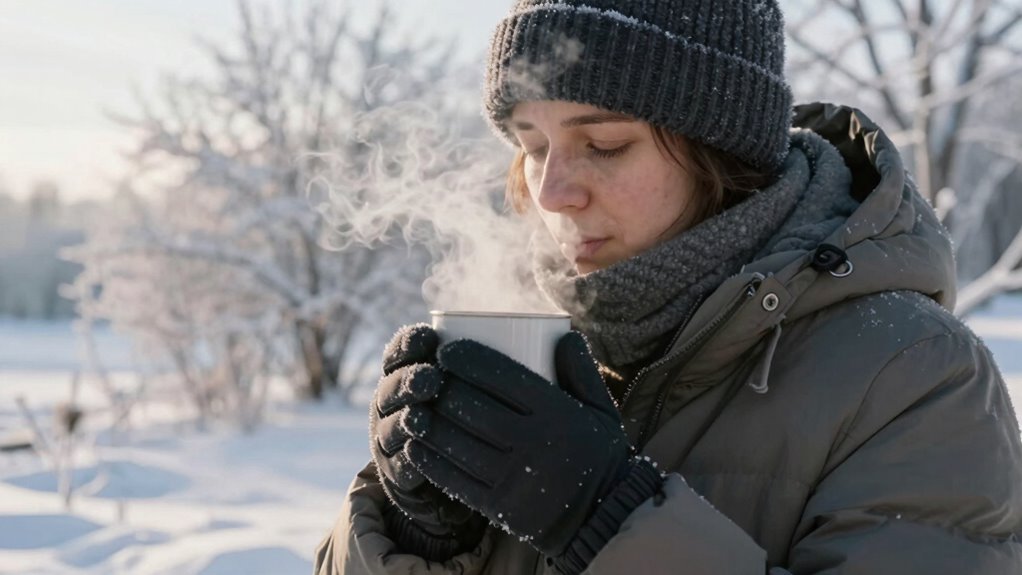
Cold exposure can be beneficial in certain contexts, but it’s essential to know when it’s safe to proceed and when you should seek professional advice first. If you have a history of cold intolerance, it’s especially important to be cautious. Cold intolerance means your body reacts more strongly to cold environments, which can lead to discomfort or health risks if not managed properly. Ignoring these signs can increase your risk of frostbite, a serious condition where skin and tissues freeze, potentially causing permanent damage. If you’ve experienced numbness, skin discoloration, or persistent cold sensitivity, it’s best to consult a healthcare professional before engaging in cold exposure practices.
Cold exposure requires caution, especially with cold intolerance or signs of frostbite risk; consult a professional first.
Understanding your body’s response to cold is critical. Some people naturally tolerate cold better than others, but if you notice that cold sensations trigger pain, excessive shivering, or skin changes, it’s a clear sign to hold off on further exposure until you get professional guidance. In these cases, attempting cold exposure without proper understanding or supervision can escalate frostbite risks. Frostbite usually occurs on extremities like fingers, toes, ears, or the nose, where blood flow is limited. If you’re prone to poor circulation or have conditions like diabetes or Raynaud’s phenomenon, your vulnerability to frostbite increases, and you should seek medical advice before trying any cold-based treatments or exposures. Cold tolerance can vary greatly among individuals, and recognizing your own limits is crucial.
Even if you generally tolerate cold well, certain situations can make cold exposure unsafe. For example, extended exposure in windy, damp, or freezing conditions can quickly tip the balance from beneficial to dangerous. If you’re unsure about how your body reacts to cold, or if you’ve recently recovered from illness or injury, a healthcare professional can help determine whether cold exposure is appropriate. They can advise on safe duration, temperature limits, and proper techniques to avoid frostbite and other cold-related injuries. Additionally, understanding biodiversity and natural adaptations can help you recognize how different environments impact cold tolerance. Recognizing how environmental factors influence your body’s response can enhance your safety when engaging in cold exposure activities. Being aware of your own cold sensitivity and how it interacts with your overall health can guide safer practices.
Furthermore, some individuals may develop an increased cold intolerance over time due to health changes or aging. Ultimately, listening to your body and consulting with a professional when in doubt are key. Cold exposure can boost circulation, mental clarity, and resilience, but only when done safely and with awareness of your individual health status. If you experience symptoms of cold intolerance or suspect you might be at increased frostbite risk, don’t push forward alone. Waiting until you’ve gotten professional advice ensures you’re taking the right precautions, making cold exposure a safe and beneficial practice rather than a health hazard.
As an affiliate, we earn on qualifying purchases.
Frequently Asked Questions
Can Cold Exposure Cause Long-Term Health Issues?
Cold exposure can cause long-term health issues if not done carefully, especially if you risk frostbite or mismanage cold adaptation. Prolonged or intense exposure might damage tissues or impair your immune system. To prevent this, always prioritize frostbite prevention and gradually build your cold tolerance. If you’re unsure about your limits or experience symptoms, consult a professional to avoid lasting health problems from cold exposure.
How Quickly Can Cold Exposure Harm Someone?
Cold exposure can harm you in mere minutes if you’re not careful. It’s like an icy storm rushing in, risking rapid frostbite and hypothermia. Your body’s cold adaptation isn’t instant; it takes time to build defenses. To prevent frostbite, you must listen to your body, wear proper gear, and limit exposure. Ignoring these signs can turn a chilly experience into a dangerous emergency in just moments.
Are There Specific Illnesses Worsened by Cold Exposure?
Cold weather can worsen certain illnesses, especially for those with cardiovascular issues or respiratory conditions. Cold exposure increases frostbite risk, which can cause permanent tissue damage. If you have diabetes or circulation problems, cold weather may aggravate symptoms or slow healing. You should talk to a professional before exposing yourself to cold environments, particularly if you have any health concerns, to prevent worsening your condition or risking frostbite.
What Signs Indicate Immediate Medical Attention Is Needed?
Ever wondered when cold exposure becomes an emergency? If you notice hypothermia symptoms like intense shivering, confusion, or slurred speech, or signs of frostbite such as numbness, white or grayish skin, you need immediate medical attention. Don’t ignore these warning signs—your body’s response could be life-threatening. Seek help right away to prevent serious damage and make certain of your safety in cold conditions.
Is Cold Exposure Dangerous for Children or Seniors?
Yes, cold exposure can be especially dangerous for children and seniors. Their bodies respond differently to cold weather myths, making them more vulnerable to hypothermia and frostbite. You should follow winter safety tips like dressing appropriately in layers and closely monitoring their condition. Never assume cold weather risks are exaggerated; always prioritize their safety and seek medical help if symptoms appear.
As an affiliate, we earn on qualifying purchases.
Conclusion
So, before you jump into cold exposure adventures, ask yourself: are you truly prepared to handle the risks? When in doubt, waiting to consult a professional isn’t just smart—it’s essential for your safety. Imagine pushing your limits only to find you’re unprepared, risking more than just a chill. Isn’t it better to take that cautious step now, ensuring your journey into cold exposure is both safe and rewarding? Your well-being deserves it.
As an affiliate, we earn on qualifying purchases.
As an affiliate, we earn on qualifying purchases.