
During deload weeks, you can enhance recovery by incorporating cold exposure through methods like cold showers, ice baths, or cryotherapy. Start with brief sessions of around 5 minutes, gradually increasing duration and decreasing temperature as you get comfortable. Use cold exposure post-workout or on rest days, 2-3 times a week, and listen to your body to avoid overdoing it. If you want to optimize your routine, there’s more to contemplate that can boost your progress.
Key Takeaways
- Schedule 2-3 cold exposure sessions per week post-workout or on rest days to promote recovery.
- Start with short durations (around 5 minutes) and gradually increase as tolerated.
- Use methods like cold showers, ice baths, or cryotherapy based on convenience and comfort.
- Focus on full-body coverage, especially sore areas, and incorporate controlled breathing techniques.
- Monitor your body’s responses and adjust frequency, duration, and temperature to ensure safety and effectiveness.
Why Cold Exposure During Deload Weeks Can Boost Recovery
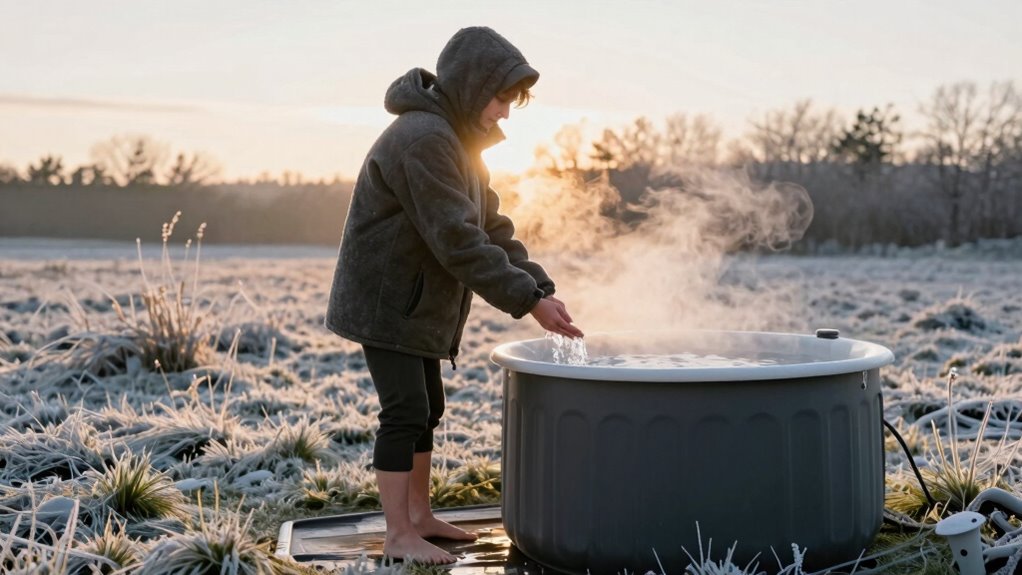
Cold exposure during deload weeks can substantially enhance your recovery process. It helps clear your mind, giving you better mental clarity, which can be beneficial as you prepare for upcoming training phases. The cold stimulates your nervous system, promoting alertness and focus. Additionally, cold exposure can boost your immune system, making you less susceptible to illness during periods of reduced activity. This immune boost supports faster recovery by reducing inflammation and soreness. Incorporating cold exposure into your deload routine is a simple, effective way to stay sharp and strengthen your body’s defenses while giving your muscles a well-deserved break. Natural cooling methods can help you integrate cold exposure into your routine with confidence, leveraging recovery benefits supported by scientific research. Using safe practices ensures that you enjoy these benefits without risking injury or discomfort. To maximize these benefits, understanding the science behind cold exposure can help tailor your approach for optimal results.
Choosing the Best Cold Exposure Methods for Your Recovery

Choosing the right cold exposure method depends on your recovery goals and schedule. Ice baths offer deep muscle relief, while cold showers are quick and convenient. Cryotherapy provides targeted treatment but may require more investment; consider which option aligns best with your needs. Additionally, selecting the appropriate DIY tools for cold therapy can enhance your recovery experience and make the process more effective. When considering cold exposure techniques, it’s also beneficial to evaluate the available options and choose the method that best fits your personal recovery plan and budget. Understanding the benefits of cold exposure can help you make more informed decisions about which method will support your deload recovery most effectively. Moreover, understanding the technology behind cold exposure methods can help you select equipment that offers optimal results for your recovery routine.
Ice Baths Benefits
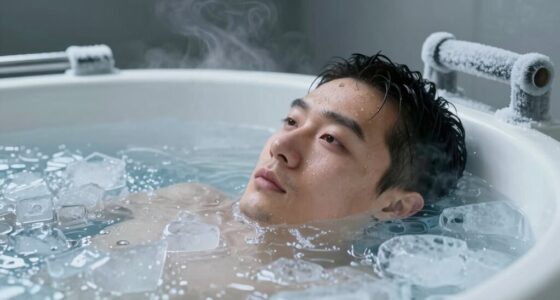
Ice baths are a popular recovery tool because they can help reduce muscle soreness and inflammation after intense workouts. They promote muscle relaxation by constricting blood vessels, which helps flush out metabolic waste and decrease swelling. Additionally, many people report enhanced mental clarity after immersing in cold water, allowing you to reset mentally and regain focus. The cold exposure triggers the release of endorphins, improving mood and reducing perceived pain. Regular ice baths during deload weeks can accelerate recovery, decrease downtime, and prepare your body for upcoming training sessions. Just guarantee the temperature isn’t too cold or the duration too long to avoid adverse effects. When used correctly, ice baths are a powerful method to support both physical recovery and mental resilience. Incorporating temperature regulation strategies can help optimize your cold exposure experience and ensure safety. Moreover, understanding the benefits of consistent routines can motivate adherence and maximize recovery outcomes. Utilizing reliable recovery tools can further enhance your results and promote overall well-being during deload periods. Additionally, applying proper timing for cold exposure can further improve its effectiveness and safety. Implementing gradual adaptation techniques can also help your body adjust to cold exposure more comfortably and safely.
Cold Showers Techniques
When incorporating cold exposure into your recovery routine, selecting the right method can make a significant difference in how effectively you rejuvenate your muscles and mind. Cold showers are a convenient way to reduce muscle soreness and build mental resilience. To maximize benefits, consider these techniques:
- Start with warm water, then gradually decrease the temperature to avoid shock.
- Limit initial exposure to 30 seconds, gradually increasing over time.
- Focus on full-body coverage, especially legs and back, where soreness is common.
- End with a brief burst of cold water to boost mental resilience and alertness.
- Incorporate proper cold exposure techniques to ensure safety and effectiveness during your recovery. Additionally, paying attention to energy-efficient methods can help you sustain cold exposure practices without excessive energy use, aligning with sustainable recovery goals. Implementing consistent cold exposure routines can also enhance your adaptation and resilience over time. Choosing the right cold shower technique helps you recover faster, reduce soreness, and strengthen your mental toughness, making it a valuable addition during deload weeks. Remember to prioritize safe cold exposure practices to prevent any adverse effects and maximize your recovery benefits.
Cryotherapy Options
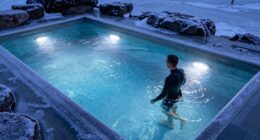
If you’re looking to elevate your cold exposure routine beyond cold showers, exploring cryotherapy options can offer targeted and efficient recovery benefits. Cryotherapy chambers expose you to extremely cold temperatures for a few minutes, promoting faster muscle recovery and reducing inflammation. This method allows precise control over temperature and exposure duration, making it highly effective. Alternatively, a cold plunge immerses your body in a tub of icy water, providing direct and consistent cold therapy. Both options stimulate circulation, decrease soreness, and enhance recovery, especially during deload weeks when your muscles need extra care. Choosing between cryotherapy chambers and cold plunges depends on your schedule, budget, and preferences. Both methods can be valuable tools for optimizing recovery and maximizing the benefits of cold exposure. Additionally, understanding the effects of cold exposure on circulation can help you tailor your recovery routine more effectively, supported by seasonal maintenance tips that ensure your recovery equipment performs optimally. Incorporating the right cold exposure techniques can further amplify your recovery efforts and overall results, especially by considering how temperature regulation impacts effectiveness and safety. Recognizing the impact on immune function can also help you determine the best frequency and duration for your cold exposure sessions.
How to Safely Incorporate Cold Exposure Into Your Routine
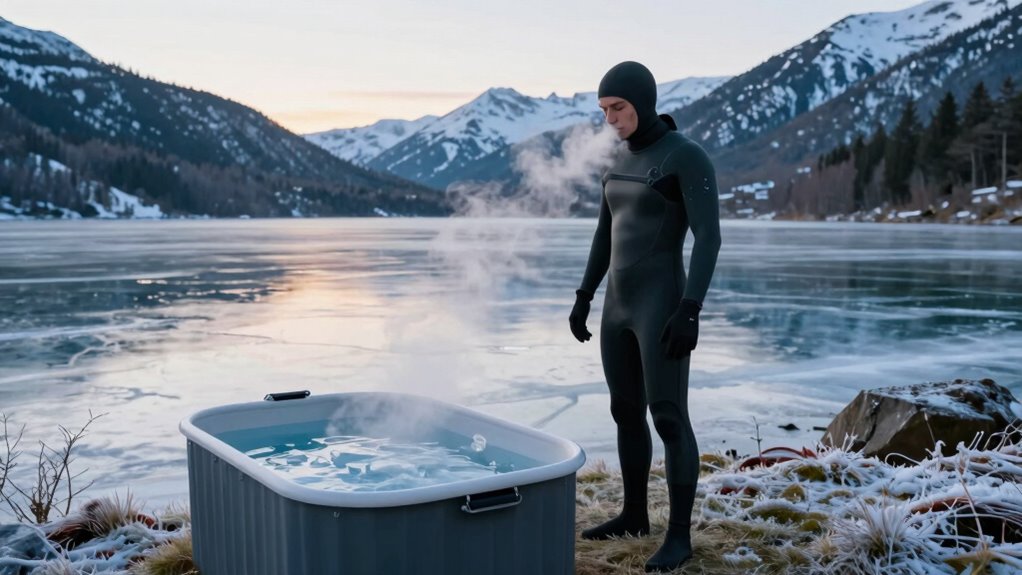
To incorporate cold exposure safely, start with gradual acclimation so your body adjusts comfortably. Keep a close eye on how your body responds, and avoid staying in cold environments too long. Stick to proper durations to prevent any risk of shock or overexposure. Being aware of safe home practices can also help you incorporate cold exposure more effectively and securely. Additionally, understanding skincare device safety ensures you minimize potential risks associated with cold therapy.
Gradual Cold Acclimation
Starting cold exposure gradually helps your body adapt safely and effectively. This approach builds mental resilience and maximizes the metabolic boost without overwhelming you. To do this, follow these steps:
- Begin with short durations, like 30 seconds, and gradually increase exposure time.
- Use lukewarm water initially, then slowly decrease the temperature over sessions.
- Focus on controlled breathing to manage discomfort and improve mental resilience.
- Listen to your body—if you experience excessive shivering or discomfort, back off and reduce intensity.
Monitor Body Responses
Monitoring your body’s responses is essential to safely incorporate cold exposure into your routine. Pay close attention to how your muscles feel after each session—if muscle soreness worsens or persists, it may be a sign to reduce exposure time or intensity. Notice changes in your sleep quality; cold exposure can sometimes improve sleep, but excessive cold can disrupt it. Track your energy levels and mood, as these can also indicate how well your body is adapting. If you experience strong shivering, numbness, or discomfort, stop immediately and reassess. Adjust your cold exposure based on your body’s signals, ensuring you don’t push beyond safe limits. Listening carefully helps you optimize benefits while minimizing risks during deload weeks.
Proper Cold Exposure Duration
Determining the right duration for cold exposure is essential to reap benefits without risking overexposure. Too brief, and you might not reduce muscle soreness or boost mental clarity; too long, and you could impair recovery. Start with short sessions, around 5-10 minutes, and listen to your body. Here are key tips:
- Limit initial exposure to 5 minutes to prevent shock.
- Gradually increase time by 1-2 minutes as tolerated.
- Monitor for signs of numbness or dizziness—stop if these occur.
- Consistency matters more than duration—regular short sessions outperform occasional long ones.
When and How Often to Use Cold Exposure During Deloads
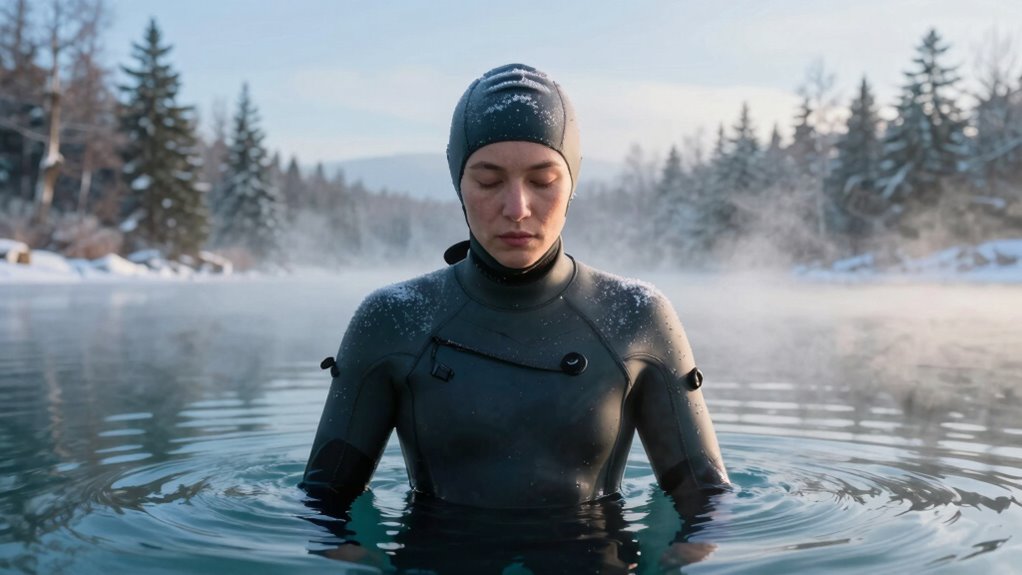
During deload weeks, incorporating cold exposure can boost recovery without overdoing it, but timing and frequency are key. You should aim for 2-3 sessions per week, allowing your body time to adapt and avoid overstressing your recovery strategies. Cold exposure timing is best when you’re feeling particularly fatigued or sore, such as after intense workouts or on rest days. Consistency matters, but don’t overdo it—just enough to promote recovery without causing additional stress. Here’s a quick guide:
| Frequency | Timing |
|---|---|
| 2-3 times per week | Post-workout or during rest days |
| Avoid daily use | When feeling overly fatigued |
Adjust based on how your body responds, and always listen to your recovery cues.
How to Know If Cold Exposure Is Working for You
To know if cold exposure is benefiting your recovery, pay close attention to how your body responds after sessions. Notice if you experience improved mental clarity, which indicates your nervous system is recovering well. Also, observe any signs of boosted immune support, such as fewer colds or faster recovery from illnesses. Here are some key indicators:
- Enhanced mental clarity and focus post-session
- Reduced muscle soreness and quicker recovery
- Fewer signs of fatigue during your workouts
- Greater resilience against illnesses or infections
If you notice these signs, cold exposure is likely working for you. It should make recovery smoother and support your immune system. Consistent positive responses mean you’re harnessing cold therapy effectively during your deload weeks.
Precautions and Common Mistakes to Avoid With Cold Exposure
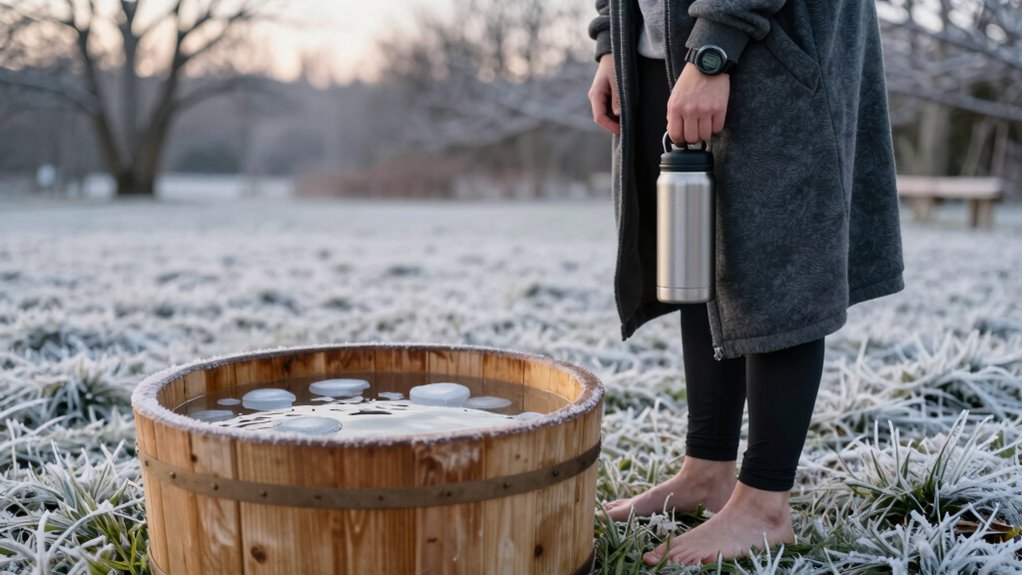
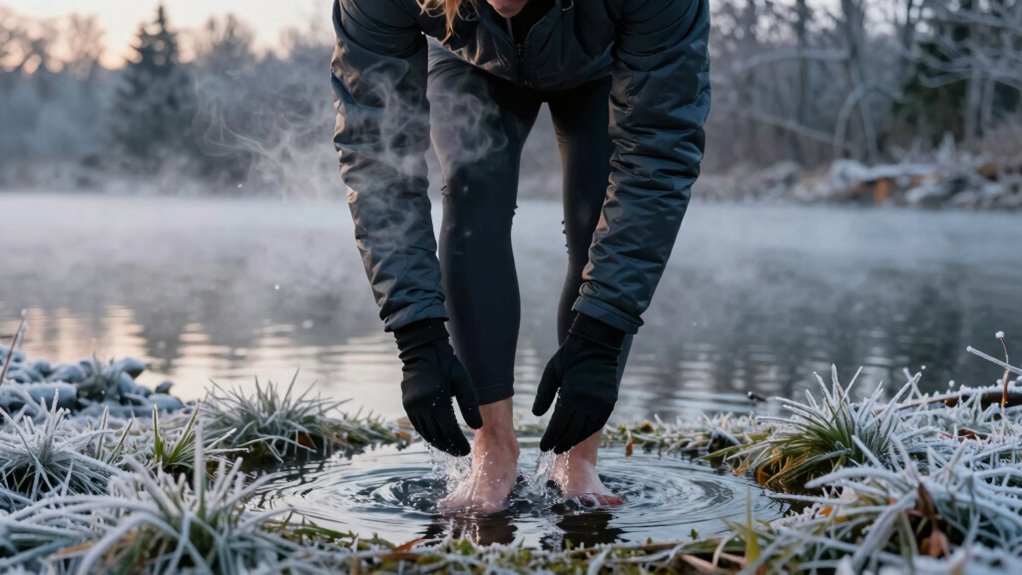
While cold exposure can offer notable recovery benefits, it’s crucial to prioritize safety and avoid common pitfalls. Overexposure risks, such as hypothermia or frostbite, can occur if you stay in cold environments too long or expose sensitive areas without proper protection. Always listen to your body and recognize your individual sensitivities; what works for someone else might not suit you. Starting with shorter sessions and gradually increasing duration helps prevent adverse effects. Avoid jumping into extreme cold without preparation, and never ignore signs of discomfort or cold-related symptoms. Proper clothing, timed exposure, and monitoring your response are essential. By respecting these precautions, you’ll maximize benefits while minimizing risks during cold exposure.
Frequently Asked Questions
Can Cold Exposure Replace Traditional Recovery Methods?
Cold exposure can’t fully replace traditional recovery methods, but it can complement them. Cold therapy helps reduce inflammation, soothe sore muscles, and may boost your immune system. You should still prioritize rest, proper nutrition, and active recovery to optimize your progress. Incorporating cold exposure into your routine can enhance recovery, but it’s not a substitute for proven methods like stretching, massage, and adequate sleep.
What Are the Signs of Overdoing Cold Exposure?
If you overdo cold exposure, you’ll notice your cold tolerance drops, making you feel chilled even in mildly cold environments. You might experience fatigue, headaches, or a weakened immune response, increasing your risk of illness. Pay attention to your body’s signals; if you feel excessively cold, numb, or unusually tired, reduce exposure time. Moderation helps maintain your immune response and prevents negatively impacting your cold tolerance.
Is Cold Exposure Effective for Mental Recovery as Well?
Yes, cold exposure can be effective for mental recovery. It boosts mental clarity by stimulating your nervous system and enhances stress reduction through the release of endorphins. When you incorporate cold exposure into your routine, you may feel more alert and composed, helping you recover mentally during deload weeks. Just make certain you don’t overdo it, as excessive cold exposure can lead to stress rather than relief.
How Does Cold Exposure Affect Sleep During Deload Weeks?
Imagine the cool rush of cold exposure gently resetting your body’s internal clock. During deload weeks, it can improve sleep quality by stabilizing your circadian rhythm, helping you fall asleep faster and enjoy deeper rest. The invigorating chill signals your body to wind down, promoting relaxation. As a result, you wake refreshed, ready to tackle your workouts anew, with improved recovery and mental clarity.
Are There Specific Cold Exposure Durations Recommended for Beginners?
As a beginner, start with cold exposure sessions lasting 1 to 3 minutes to promote cold adaptation without risking overexposure. Stick to beginner protocols, such as cold showers or ice baths, and gradually increase duration as your body adapts. Listen to your body, and avoid pushing too hard initially. This approach helps build tolerance safely and guarantees you experience benefits without discomfort or injury.
Conclusion
Think of cold exposure during deload weeks as tending to a delicate garden. With gentle care, it refreshes your recovery soil, helping your muscles heal and grow stronger. When you listen closely to your body’s signals, you’ll know when to water and when to give it rest. Embrace this chill as a quiet gardener, nurturing your strength beneath the surface, so you can bloom brighter and more resilient with each workout ahead.