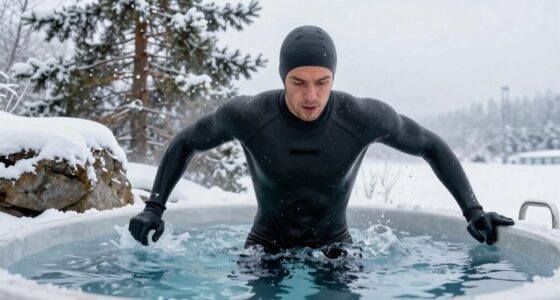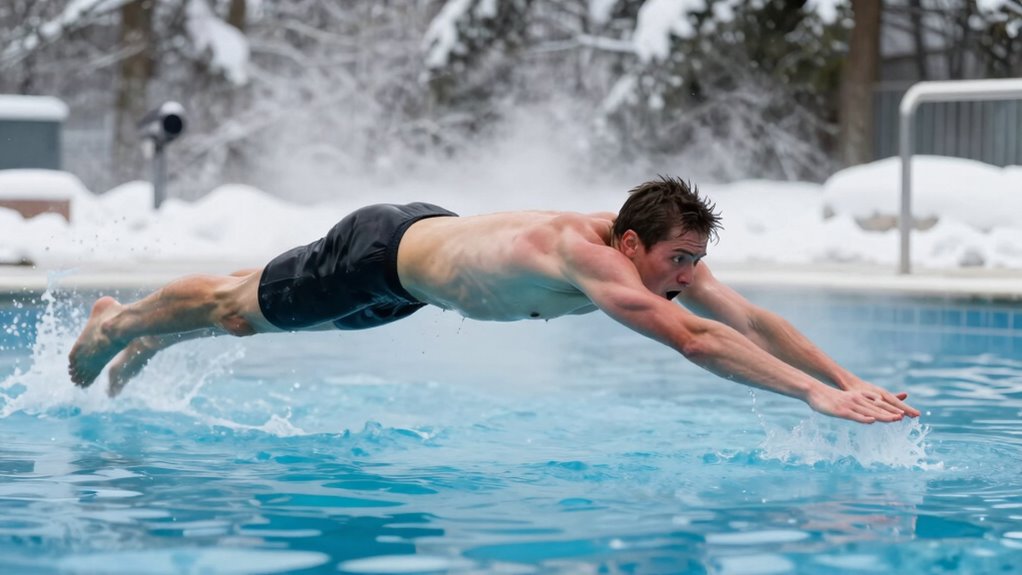
Many athletes make the mistake of plunging into cold water immediately after training, which can blunt inflammation and impair muscle recovery. Waiting too long—more than 30 minutes—can delay benefits and slow healing, while plunging too early disrupts natural repair signals. To optimize recovery, wait 15-30 minutes post-exercise before cold plunging and focus on listening to your body’s cues. Keep exploring to master the perfect timing for your goals.
Key Takeaways
- Plunging immediately after training can blunt inflammation necessary for muscle repair and growth.
- Waiting less than 15 minutes may hinder natural circulation and delay recovery processes.
- Overly delaying cold exposure beyond 30 minutes reduces inflammation benefits and muscle adaptation.
- Ignoring body signals during cold plunges can cause shock and impair recovery.
- Using cold therapy without proper timing may diminish training gains and slow progress.
Why Cold Plunges Boost Your Recovery and When Timing Matters
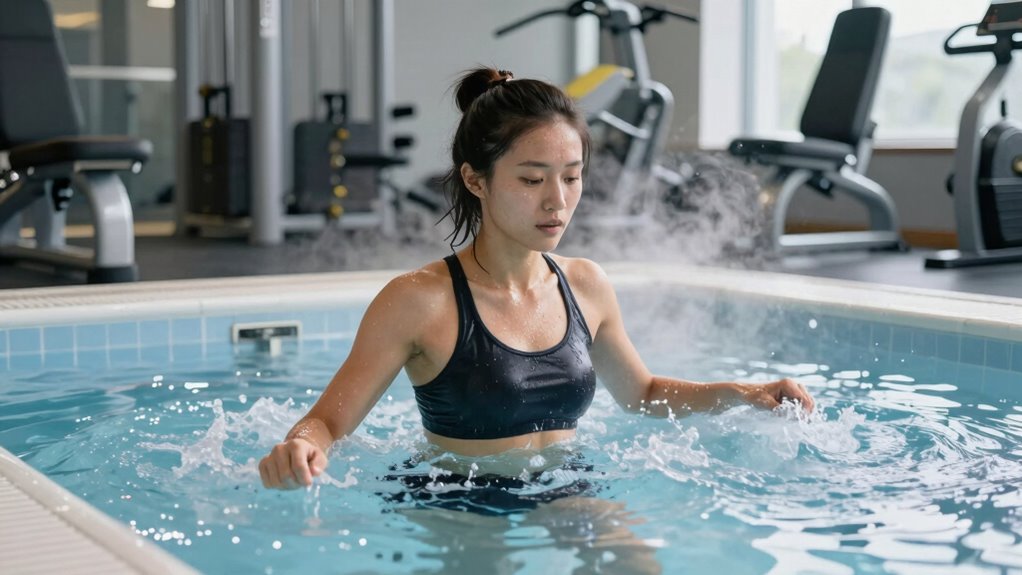
Cold plunges can markedly speed up your recovery by reducing inflammation and easing muscle soreness. When you immerse in cold water, it constricts blood vessels, decreasing swelling and helping your muscles recover faster. This process also promotes muscle adaptation, enabling your body to handle future workouts more effectively. Additionally, cold plunges strengthen your mental resilience, building grit and mental toughness as you learn to tolerate discomfort. By regularly practicing cold immersion, you enhance your ability to stay focused and calm under pressure, both during recovery and in training. Using cold plunges at the right moments supports optimal recovery and ensures your body best adapts and your mind becomes more resilient. Proper timing maximizes recovery while supporting long-term athletic performance, especially when combined with scientific recovery strategies. Incorporating recovery techniques like cold plunges into your routine can further amplify these benefits and optimize your overall training results.
What’s the Best Time to Cold Plunge After a Workout?

Deciding when to cold plunge after a workout can substantially influence your recovery and performance. Ideally, wait about 15-30 minutes post-exercise to allow your body to stabilize and hydrate effectively. During this window, focus on hydration strategies to replenish lost fluids and maintain mental focus. Cold plunging too soon can hinder the natural cooling process, while waiting too long may reduce its benefits. To visualize, consider this table:
| Timing Option | Benefits |
|---|---|
| Immediately after | Quick refresh, but risks impairing recovery |
| 15-30 minutes post-workout | Optimizes recovery, hydration, focus |
| 1 hour or later | Less effective for immediate recovery |
Choosing the right timing ensures you maximize cold plunge benefits without disrupting your hydration or mental focus. Additionally, understanding the body’s natural cooling process can help you determine the optimal window for cold plunging. Recognizing the importance of proper recovery timing can further enhance your results and prevent setbacks. Incorporating knowledge of the body’s thermoregulation is essential to making informed decisions about post-workout cold plunges. Moreover, paying attention to your individual response to cold exposure can help tailor the best recovery strategy for your needs. Being aware of your personal tolerance levels can help you adjust the cold plunge duration and temperature for maximum benefits.
Common Mistakes in Cold Plunge Timing and How They Hurt Your Gains

Waiting too long or plunging immediately after your workout can undermine your recovery efforts and limit gains. Mistimed cold plunges can disrupt muscle adaptation and hormonal balance, hampering progress. To optimize benefits, avoid these common mistakes:
- Waiting over 30 minutes post-workout, which delays beneficial inflammation reduction.
- Cold plunging during peak muscle repair, hindering recovery processes.
- Ignoring your body’s signals, risking shock and stress that impair hormonal balance. Incorporating proper recovery techniques can help prevent this.
- Overusing cold therapy, leading to diminished muscle adaptation over time. Recognizing optimal timing is crucial for maximizing recovery benefits.
- Neglecting the importance of proper timing in cold plunging to support your recovery process. Being aware of your body’s response to cold therapy can help you avoid adverse effects and enhance recovery efficiency. Additionally, understanding the recovery window can further optimize your training outcomes.
Proper timing guarantees your body can respond effectively, supporting muscle recovery and maintaining hormonal equilibrium. Missteps in timing not only slow progress but can also cause setbacks by disrupting natural recovery and adaptation mechanisms.
How to Adjust Your Cold Plunge Schedule for Different Training Goals
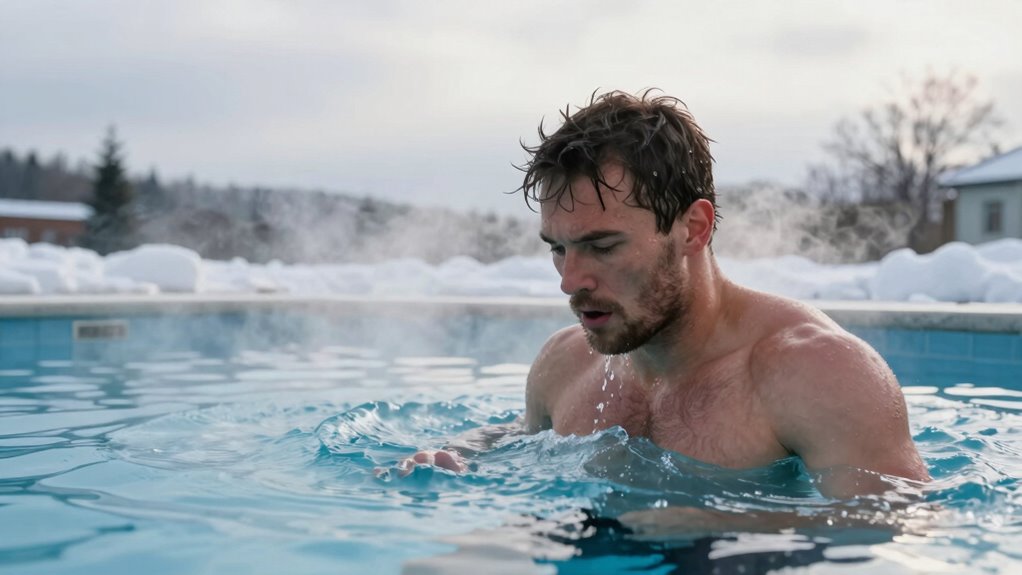
Adjusting your cold plunge schedule depends on your specific training goals, whether you’re aiming for muscle growth, recovery, or endurance. For muscle growth, consider plunging after your workout to reduce inflammation and support recovery, but guarantee you’re hydrated beforehand with proper hydration strategies to prevent dehydration. If you’re training for endurance, timing your plunge to boost mental preparedness is key; a quick dip can sharpen focus without hindering endurance gains. Incorporating cold exposure protocols tailored to your needs can enhance overall training effectiveness. Understanding training response can help you customize your cold plunge timing for optimal results. Proper timing is also influenced by the body’s natural rhythms, which can vary between individuals and impact how your body responds to cold exposure. Remember that proper timing can be adjusted based on your individual response and training intensity. Incorporating individual needs and listening to your body can maximize your results and prevent setbacks. Always listen to your body and stay mentally prepared for each session—adjusting your schedule accordingly to optimize results while avoiding overexposure to cold.
Signs You’re Plunging at the Wrong Time: And What to Do Instead

If you notice delayed recovery or less muscle growth, you might be plunging at the wrong time. Cold exposure can impair your muscles if done too soon after training, reducing gains. To optimize results, adjust your schedule by waiting longer or cooling down before your plunge. Incorporating home workout principles ensures your routine remains simple, safe, and sustainable for long-term success. Understanding water chemistry can also help you maintain the right conditions for safe and effective cold plunges. Being aware of the correct temperature for your water can prevent unintended health risks and improve your overall experience. Additionally, paying attention to tool maintenance can ensure your equipment remains safe and effective during recovery routines. Recognizing Youngster Choice in different contexts can provide insights into timely recovery strategies and personal routines.
Delayed Recovery Benefits
Plunging into cold water immediately after training isn’t always the best choice, especially if your goal is ideal recovery. Delayed cold plunges can offer unique benefits, such as improved mental clarity and immune support, which take time to develop. When you wait, your body can better adapt to the cold, enhancing these effects.
Consider these points:
- Mental clarity improves as your body adjusts, helping you focus better.
- Immune support strengthens when cold exposure occurs after initial recovery.
- Delayed plunges promote better circulation, aiding overall healing.
- Timing allows your nervous system to reset, reducing stress response.
Impaired Muscle Growth
Even though cold plunges can aid recovery, plunging immediately after training may hinder muscle growth. Cold exposure can blunt the inflammation process essential for muscle hypertrophy, which is vital for strength gains and training adaptation. When you immerse yourself in cold water right after a workout, you may reduce the signaling pathways that promote muscle repair and growth. This interference can slow down or impair your ability to build muscle effectively over time. Additionally, the performance of muscle recovery processes may be compromised if cold plunges are done too soon. Instead, delaying cold plunges allows your body to complete necessary recovery processes, supporting ideal training adaptation. If muscle growth is your goal, avoid rushing into cold water immediately post-exercise. Focus on proper timing to guarantee your muscles have the best chance to recover, adapt, and grow stronger.
Timing Optimization Strategies
Timing your cold plunge correctly can make a significant difference in your recovery and muscle-building efforts. If you plunge too soon or too late, you might miss out on hydrotherapy benefits or even hinder your progress. To maximize your cold exposure, consider these strategies:
- Wait 15-30 minutes post-workout to allow your body to start natural recovery.
- Avoid plunging immediately after intense training, as it can blunt inflammation necessary for muscle repair.
- Use cold exposure strategically, during the early cool-down phase, for optimal benefits.
- Listen to your body—if you’re overly fatigued, delay the plunge to prevent overstressing your system.
Expert Tips for Perfecting Your Cold Plunge Recovery Routine
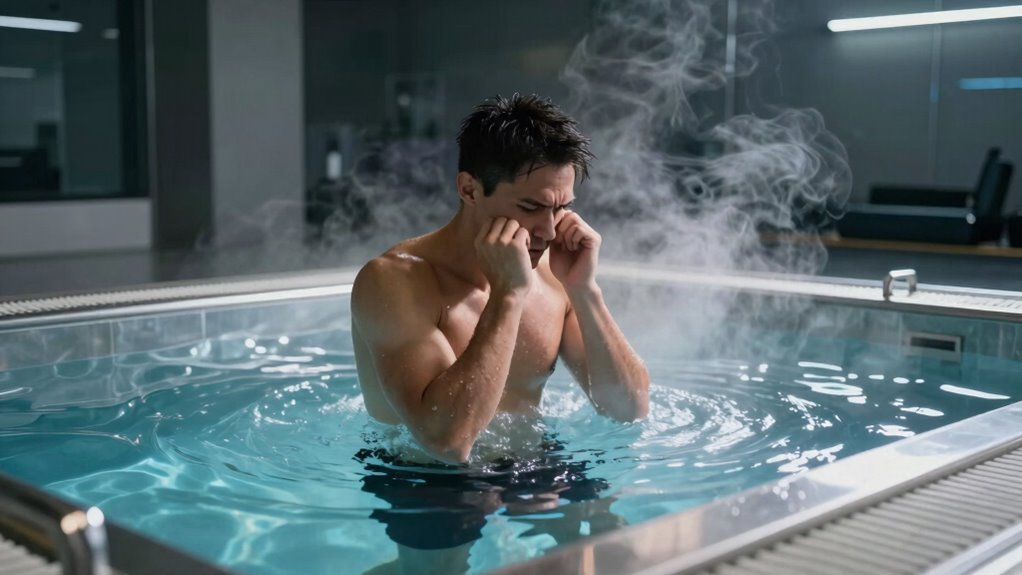
To get the most from your cold plunge, focus on timing it right after training without rushing or waiting too long. Pay attention to the ideal water temperature and how long you stay submerged, adjusting based on how your body responds. Monitoring your personal reaction helps you refine the routine for safe and effective recovery.
Optimal Timing Strategies
Choosing the right moment to take your cold plunge can considerably enhance recovery and overall benefits. To optimize timing, focus on your mental preparedness and breathing techniques. When you’re mentally ready, your body adapts better to the cold, maximizing recovery gains. Consider these strategies:
- Wait until your breathing slows and stabilizes after training.
- Use breathing techniques to calm your mind before the plunge.
- Ensure you’re mentally prepared to face the cold comfortably.
- Avoid rushing immediately post-exercise; give your body a moment to settle.
Timing your plunge with a focus on mental readiness and controlled breathing helps you relax into the experience. This approach improves circulation, reduces stress, and enhances overall recovery, making your cold plunge more effective.
Temperature and Duration
Getting the temperature and duration right is essential for maximizing the benefits of your cold plunge. Proper cold exposure enhances hydrotherapy benefits like reduced inflammation, faster recovery, and improved circulation. Aim for water temperatures between 50-59°F (10-15°C), as colder isn’t always better and can cause unnecessary stress. Keep your cold plunge session between 5 to 10 minutes; longer exposures may lead to hypothermia or decreased effectiveness. Listening to your body is key—if you start shivering excessively or feel numb, it’s time to exit. Maintaining the right temperature and duration guarantees you experience the full benefits of cold exposure without risking negative effects. This balance optimizes recovery and helps you get the most out of your post-training routine.
Personal Response Monitoring
Monitoring how your body responds during a cold plunge helps you tailor the experience for maximum benefit and safety. By practicing mindful awareness, you stay attuned to sensations like shivering, numbness, or discomfort, which indicate your limits. Emotional regulation also plays a key role; staying calm helps prevent panic and overexposure. To optimize your routine, consider these tips:
- Pay close attention to physical cues like rapid breathing or dizziness.
- Adjust duration if you notice signs of excessive stress or numbness.
- Use breathing techniques to stay centered and regulate your emotional response.
- Keep a journal to track how different conditions affect your recovery and response over time.
Being mindful of these responses ensures you enjoy the benefits without risking safety.
Frequently Asked Questions
Can Cold Plunges Replace Traditional Stretching or Foam Rolling?
Cold plunges can’t replace traditional stretching or foam rolling, but they can serve as stretching alternatives for recovery. While foam rolling benefits include reducing muscle tension and improving flexibility, cold plunges primarily help decrease inflammation and muscle soreness. You should incorporate both into your routine for ideal recovery. Cold plunges complement rather than replace stretching or foam rolling, making your post-training recovery more effective.
How Long Should I Stay in the Cold Water for Optimal Recovery?
For ideal recovery, you should stay in the cold water for about 10 to 15 minutes, according to duration guidelines. This timeframe helps reduce inflammation and muscle soreness without risking hypothermia. Keep an eye on how you feel, and don’t stay longer than necessary. If you start feeling numb or uncomfortable, it’s best to exit sooner. Listening to your body ensures you get the most benefits safely.
Are There Specific Temperatures Preferred for Effective Cold Plunges?
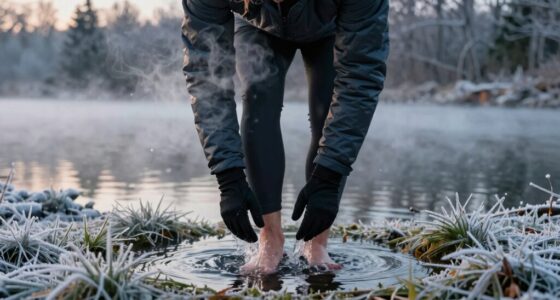
Imagine a calming winter lake, its icy embrace symbolizing clarity and renewal. For effective cold plunges, you should aim for temperatures between 50°F and 59°F (10°C to 15°C). These ideal cold levels stimulate recovery without risking hypothermia. Staying within this range helps your body adapt, reducing inflammation and soreness. Trust your instincts, but keep the water cool enough to invigorate, yet warm enough to avoid shock.
Should Athletes Avoid Cold Plunges Before Certain Types of Workouts?
You should avoid cold plunges before high-intensity workouts or strength training, as pre workout cooling can reduce muscle power and endurance. Cold plunge timing matters because immersing yourself too soon can numb your muscles, impairing performance. Instead, save cold plunges for post-workout recovery, allowing your muscles to warm up beforehand. This way, you maximize benefits without compromising your workout effectiveness.
How Do Cold Plunges Affect Muscle Growth and Strength Development?
Cold plunges can seriously sabotage your muscle hypertrophy and strength adaptation. When you immerse yourself immediately after training, the cold sharply constricts blood vessels, blocking essential nutrients and oxygen from reaching your muscles. This hampers recovery and muscle building. To maximize gains, avoid cold plunges right after workouts. Instead, let your muscles recover naturally first, so your strength and hypertrophy efforts aren’t thwarted by the cold’s chilling effects.
Conclusion
Think of your post-workout cold plunge like watering a plant—you want to do it at the right moment to help it thrive. If you plunge too soon, you might stunt your gains; too late, and recovery slows. I once skipped my ideal timing and felt sluggish the next day. When you get it right, your recovery blooms like a well-watered garden. Adjust your schedule, listen to your body, and watch your progress flourish.