
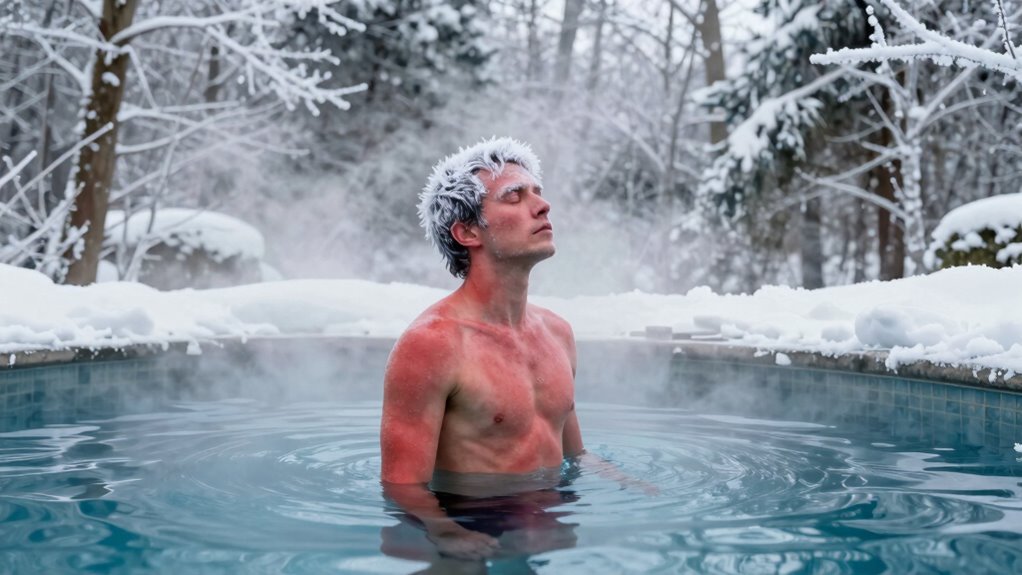

Cold plunges can support your recovery, but they work best when you don’t expect them to do everything. Relying solely on them may mask symptoms or limit your progress. Instead, combine cold exposure with proper nutrition, rest, and active recovery. This balanced approach helps you build resilience and reduces inflammation effectively. Keep an open mind, and you’ll discover how integrating multiple methods boosts your long-term results. Want to learn more? Just continue exploring.

Get home appliances delivered free — and shop member deals
- Fast, free delivery on millions of items
- Access to Prime Big Deal Days deals on October 6–7
- Prime Video, Amazon Music and more included
Key Takeaways
- Cold plunges are most effective when combined with proper nutrition, rest, and active recovery strategies.
- Relying solely on cold exposure can lead to unmet expectations and hinder overall progress.
- Recognize cold plunges as a supportive tool, not the primary solution for recovery.
- Incorporate holistic recovery methods to enhance resilience and long-term results.
- Adjust recovery routines based on individual responses instead of overemphasizing cold plunges alone.

While cold plunges are popular for post-exercise recovery, relying solely on them to heal your body can lead to disappointment. Many believe that immersing in icy water will be the ultimate fix for soreness and fatigue, but the truth is, cold plunges are just one piece of a larger recovery puzzle. If you expect them to do all the heavy lifting, you might find yourself frustrated when results fall short. Instead, approach cold plunges as a tool to support your recovery, not as a miracle cure.
Cold plunges are a helpful recovery tool but shouldn’t be relied on as the sole solution for healing.
One of the biggest benefits of cold plunges is their ability to reduce inflammation. When you expose your body to cold water, blood vessels constrict, which helps limit swelling and inflammation caused by intense workouts. This can lead to quicker recovery times and less discomfort. However, inflammation reduction isn’t the only advantage. Cold exposure also plays a significant role in building mental resilience. Regularly plunging into cold water pushes you outside your comfort zone, strengthening your mental toughness over time. It trains you to stay calm and focused under stress, a skill that translates beyond the gym.
But it’s important to recognize that cold plunges alone won’t optimize your recovery. Your body needs a balanced approach, including proper nutrition, adequate rest, and active recovery strategies like stretching or light movement. Over-relying on cold water can sometimes mask underlying issues or lead to neglecting these other crucial areas. Think of cold plunges as a supportive tool rather than the main event. When you stop expecting them to do everything, you open yourself up to a more comprehensive and sustainable recovery routine. Incorporating holistic recovery methods is essential for long-term progress. Recognizing the importance of biodiversity can also inspire more sustainable living practices that support overall well-being.
Moreover, your mindset matters. Expecting cold plunges to be the only solution might cause frustration if results aren’t immediate. Instead, focus on the cumulative benefits—building resilience, reducing inflammation, and enhancing your mental toughness. When you approach cold plunges with realistic expectations and integrate them into a well-rounded recovery plan, you’ll likely notice better, more consistent results. It’s also helpful to understand that recovery strategies are most effective when tailored to individual needs, emphasizing the importance of listening to your body and adjusting accordingly. Acknowledging that individual differences influence how recovery methods work can help you customize your approach for optimal results. Remember, recovery is a holistic process, and cold plunges are just one part of the equation. Recognizing the importance of proper recovery methods can help you maximize your results and avoid overreliance on any single technique.
In the end, you’ll get the most out of cold plunges when you see them as a helpful addition rather than the sole answer. By balancing cold exposure with other recovery methods and cultivating mental resilience, you’ll set yourself up for long-term success. Don’t expect them to do everything for you—embrace the full spectrum of recovery tools, and you’ll find yourself feeling stronger, more resilient, and better prepared for whatever comes next.
As an affiliate, we earn on qualifying purchases.
Frequently Asked Questions
How Long Should I Stay in a Cold Plunge for Optimal Recovery?
You should stay in a cold plunge for about 10 to 15 minutes to optimize recovery, but listen to your body. Building cold tolerance gradually helps you stay longer without discomfort. Besides physical benefits, cold plunges boost mental well-being by reducing stress and enhancing focus. Remember, consistency is key—overdoing it can backfire. Keep your sessions manageable, and you’ll enjoy both the physical recovery and mental benefits effectively.
Are There Any Health Risks Associated With Cold Plunges?
Imagine stepping into icy water, feeling a sudden cold shock that shocks your system. This can temporarily raise your heart rate and blood pressure, increasing cardiovascular risk if you have existing health issues. While cold plunges are generally safe, they can pose risks for those with heart problems or blood pressure concerns. Always consult your doctor first, especially if you have underlying health conditions.
Can Cold Plunges Replace Traditional Recovery Methods?
Cold plunges can’t replace traditional recovery methods entirely. While they help reduce inflammation and muscle soreness, myths suggest they’re a cure-all, which isn’t true. You should still prioritize methods like stretching, proper nutrition, and rest. Think of cold plunges as a supplement, not a substitute. Relying solely on them might hinder your recovery. Combining cold plunges with proven techniques gives you the best results and minimizes risks.
How Often Should I Incorporate Cold Plunges Into My Routine?
Have you thought about how often you should incorporate cold exposure? For ideal benefits, aim for 2-3 sessions per week, giving your body time to adapt and build mental resilience. Regular cold plunges boost recovery and mental toughness, but overdoing it can reduce their effectiveness. Listen to your body, and adjust frequency as you notice improvements in your recovery and mental clarity. Consistency is key!
What Should I Do if I Experience Discomfort During a Cold Plunge?
If you experience discomfort during a cold plunge, focus on your breathing techniques to stay calm and maintain mental focus. Take slow, deep breaths to help your body adapt and reduce shock. If discomfort persists, gently exit the plunge and warm up gradually. Remember, your mental focus and controlled breathing are key to managing the experience safely, allowing you to build resilience over time without pushing too hard.
As an affiliate, we earn on qualifying purchases.
Conclusion
Remember, cold plunges are a helpful tool, but they’re not a magic fix. Imagine a runner who relies solely on cold water after every workout, only to find their recovery stalls. When they combine cold plunges with proper rest, nutrition, and stretching, their recovery improves dramatically. Don’t expect cold plunges to do all the work; instead, integrate them into a balanced recovery routine. This way, you’ll see real benefits without relying solely on the cold.
anti-inflammatory nutrition supplements
As an affiliate, we earn on qualifying purchases.
As an affiliate, we earn on qualifying purchases.
active recovery stretching bands
As an affiliate, we earn on qualifying purchases.
As an affiliate, we earn on qualifying purchases.
NFL season / tailgating Picks
team gear
As an affiliate, we earn on qualifying purchases.