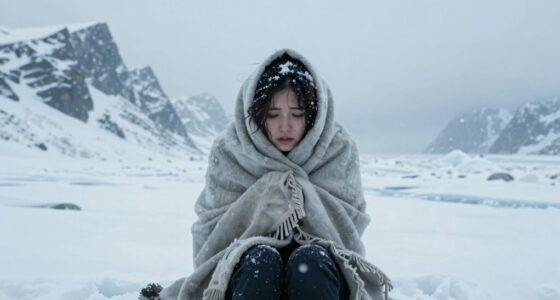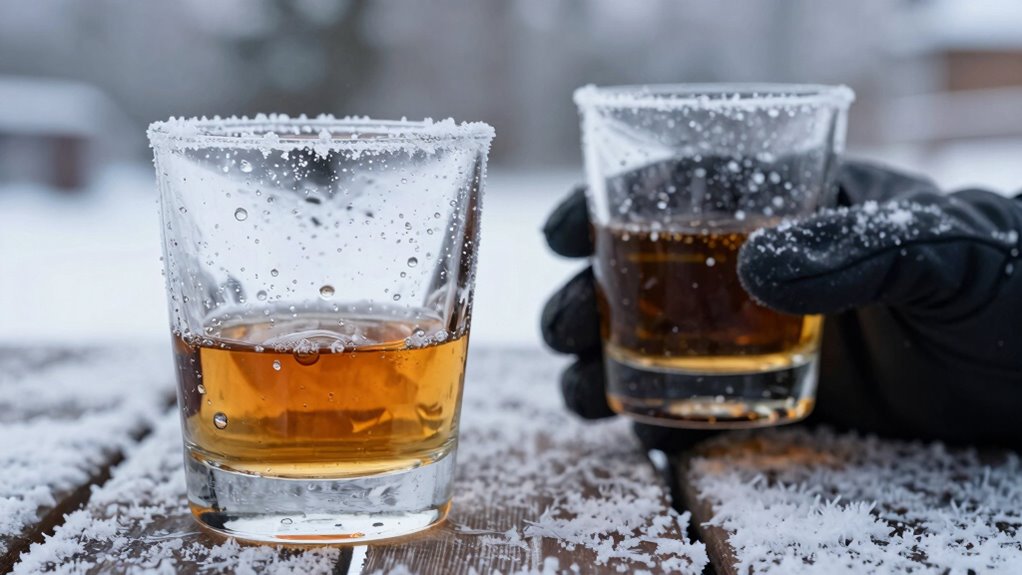

Consuming alcohol in cold environments can be dangerous because it makes your blood vessels dilate, causing blood to flow closer to your skin and making you feel warmer temporarily. This masks the signs of cold stress, encouraging you to stay outside longer and lose heat faster. Alcohol also hampers your body’s ability to generate and conserve heat, increasing the risk of hypothermia. Keep exploring to understand how to stay safe in cold weather under the influence of alcohol.

Get home appliances delivered free with Prime
- Fast, free delivery on millions of items
- Prime Video, Amazon Music and more included
- Member-only deals all year
Key Takeaways
- Alcohol dilates blood vessels, increasing heat loss and lowering core body temperature.
- It impairs judgment, reducing awareness of cold-related danger and hypothermia symptoms.
- Alcohol provides a false feeling of warmth, encouraging prolonged exposure in cold environments.
- It diverts liver resources from heat production, decreasing the body’s ability to generate and conserve heat.
- Relying on alcohol for warmth increases the risk of severe hypothermia and cold-related health issues.
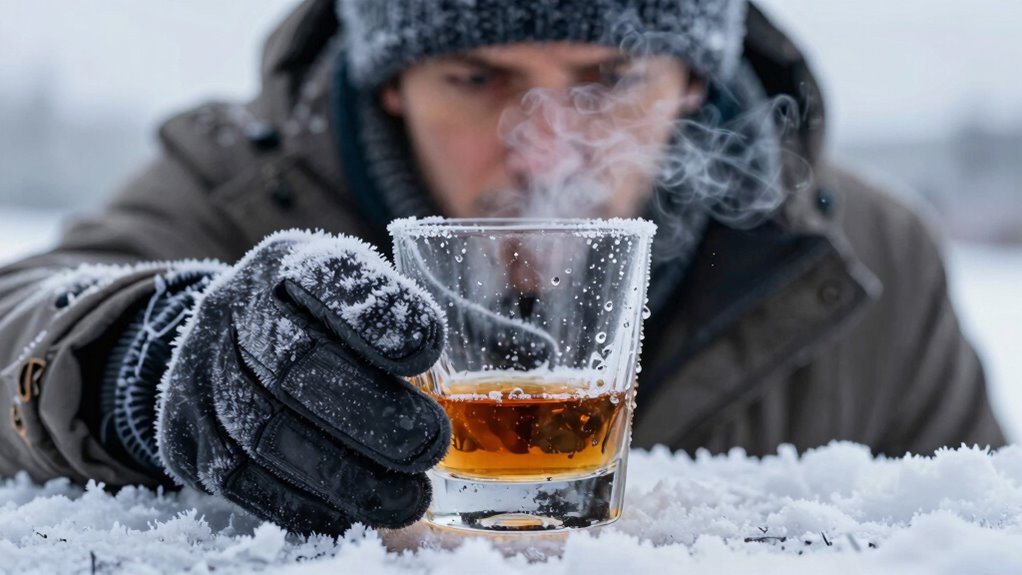
Many people believe that having a drink can help keep you warm in cold weather, but in reality, alcohol can actually make you more vulnerable to cold exposure. When you consume alcohol, it causes your blood vessels to dilate, which means blood flows closer to the surface of your skin. This increased blood flow can give you a temporary feeling of warmth, but it’s deceiving. Instead of protecting you, this process actually accelerates heat loss from your core, making it harder for your body to maintain its internal temperature. As a result, your risk of hypothermia increases, especially if you’re outside for extended periods or in extremely cold environments.
Understanding alcohol metabolism is essential here. When you drink, your body prioritizes processing alcohol over other functions, including maintaining body temperature. Alcohol metabolism takes precedence because your liver works hard to break down the alcohol, diverting energy away from heat production and hypothermia prevention mechanisms. This means your body isn’t as effective at generating or conserving heat, which is critical in cold weather. Additionally, alcohol impairs your judgment and diminishes your ability to recognize early signs of cold-related issues. You might not realize how cold you are or when to seek shelter or warmth, increasing your vulnerability to dangerous conditions like hypothermia.
The combination of alcohol’s effects on blood flow, metabolism, and judgment creates a dangerous cocktail in cold environments. Even if you feel warm after a drink, your core temperature is actually decreasing. This false sense of warmth can tempt you to stay outdoors longer or ignore signs of cold stress, further endangering your health. Proper hypothermia prevention involves keeping your core temperature stable through adequate clothing, shelter, and nutrition, not alcohol. Instead of drinking to stay warm, focus on layering clothing, staying dry, and consuming warm, non-alcoholic beverages that support your body’s natural heat production. Proper clothing and staying dry are crucial components that help maintain your core temperature and prevent cold-related health issues.
As an affiliate, we earn on qualifying purchases.
Frequently Asked Questions
Can Alcohol Help You Stay Warm in Cold Weather?
No, alcohol doesn’t help you stay warm in cold weather. It actually causes dehydration and dilates blood vessels, which leads to increased heat loss. When you drink alcohol, your circulation speeds up, making you feel temporarily warmer, but your core temperature drops faster. This false sense of warmth can be dangerous, increasing the risk of hypothermia. So, avoid alcohol if you’re trying to stay safe in cold conditions.
Does Alcohol Increase the Risk of Hypothermia?
Yes, alcohol increases your risk of hypothermia. It causes dehydration, which reduces your body’s ability to regulate temperature, and impairs thermoregulation, making it harder to warm up. When you’re drinking, you might feel warmer initially, but your body actually loses heat faster. This combination dangerously lowers your core temperature, especially in cold environments. Always be cautious, avoid alcohol if you’re exposed to cold weather, and prioritize staying hydrated and warm.
How Does Alcohol Affect Judgment in Cold Environments?
Think of alcohol as a fog that clouds your mind in cold environments. It impairs your decision-making and reduces alertness, making you less aware of danger. You might underestimate the severity of the cold or ignore warning signs, risking hypothermia. Drinking in cold settings tricks your brain into feeling warmer than you are, but it’s actually dangerous. Stay sharp, stay safe—don’t let alcohol deceive your senses.
Can Drinking Alcohol Prevent Frostbite?
Drinking alcohol won’t prevent frostbite; in fact, it increases the frostbite risk. Alcohol’s vasodilation causes blood vessels to expand, making you feel warm temporarily, but this masks the true cold and can lead to faster heat loss. This deceptive warmth makes you less aware of how cold your body really is, increasing your chances of frostbite. Stay dry, insulated, and avoid alcohol if you’re exposed to cold environments.
Is There a Safe Amount of Alcohol to Consume Outdoors in Winter?
Sure, there’s a “safe” amount of alcohol for outdoor winter fun—if you ignore dehydration and cold risks. Even a small drink can impair your judgment, making you underestimate how cold you’re getting. Alcohol dehydrates you, hampers winter hydration, and dilates blood vessels, which can increase frostbite risk. So, if you want to stay safe, it’s best to skip alcohol altogether or enjoy it in moderation, never at the expense of your safety.
insulated waterproof winter jacket
As an affiliate, we earn on qualifying purchases.
As an affiliate, we earn on qualifying purchases.
Conclusion
Remember, alcohol might make you feel warmer initially, but it actually lowers your core temperature over time. While it dulls your senses and gives a false sense of comfort, cold exposure silently saps your strength. The contrast is stark: one moment you’re feeling invincible, the next you’re vulnerable. Don’t let the illusion of warmth deceive you—stay alert, stay safe, and respect the danger that cold and alcohol together can bring.
As an affiliate, we earn on qualifying purchases.
As an affiliate, we earn on qualifying purchases.
Fall yard work Picks
leaf blowers
As an affiliate, we earn on qualifying purchases.