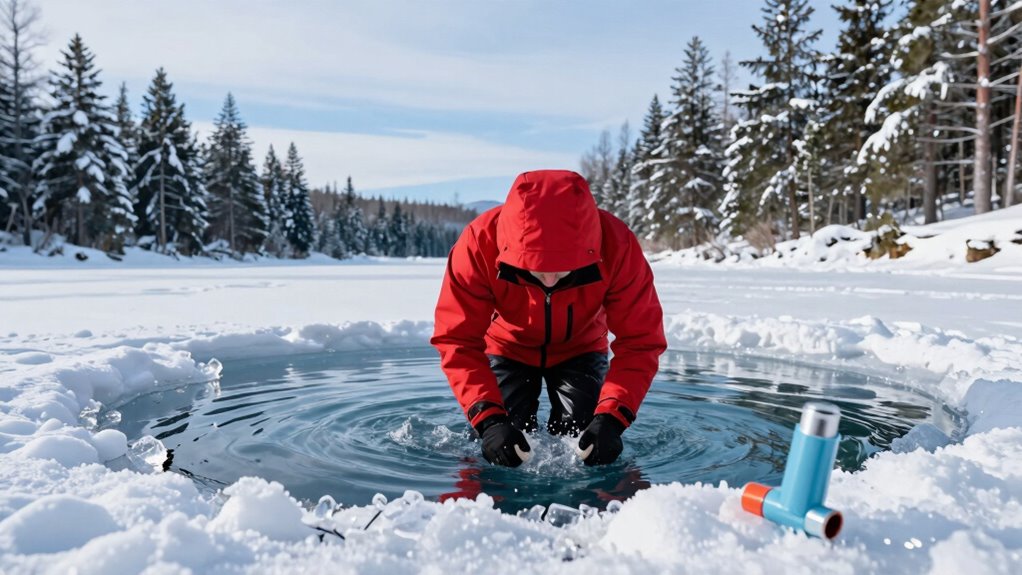

Before trying cold plunges with asthma, watch for signs like wheezing, chest tightness, or increased coughing, as cold water can trigger airway narrowing and inflammation. It’s important to consult your healthcare provider beforehand and consider using inhalers or medications as recommended. Start slowly, listen to your body, and stop immediately if symptoms worsen. Staying aware of your reactions helps prevent severe reactions—continue exploring how to stay safe during cold therapy.

Get home appliances delivered free with Prime
- Fast, free delivery on millions of items
- Prime Video, Amazon Music and more included
- Member-only deals all year
Key Takeaways
- Consult your healthcare provider to assess if cold plunges are safe for your asthma condition.
- Be aware of symptoms like wheezing, coughing, or chest tightness during cold exposure.
- Use pre-treatment inhalers or medications as recommended before cold water immersion.
- Start with short, controlled exposures to monitor your body’s reaction and prevent severe reactions.
- Have emergency plans and seek medical help immediately if asthma symptoms worsen during cold plunges.
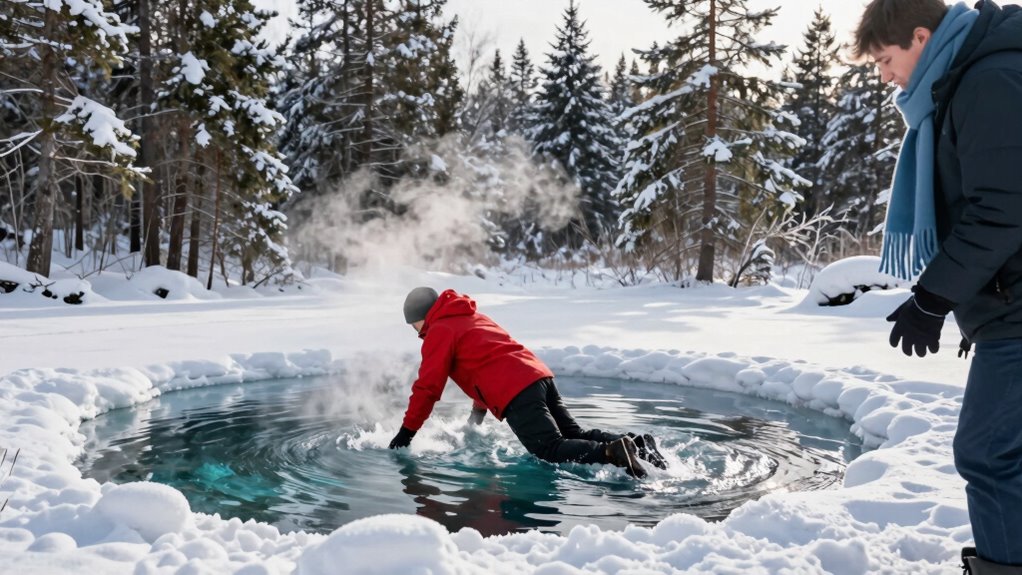
Have you ever wondered how cold plunges affect people with asthma? If you have asthma, diving into icy water isn’t just a thrill—it can also be a potential risk. Cold exposure can act as a respiratory trigger, causing your airways to tighten unexpectedly. When you immerse yourself in cold water, your body reacts quickly, and your respiratory system may become more sensitive. This heightened sensitivity can lead to wheezing, shortness of breath, or even an asthma attack if you’re not careful. It’s essential to understand how cold plunges influence your immune response since your immune system plays a significant role in asthma management. Cold exposure can provoke an inflammatory response, increasing airway hyperreactivity. Your immune system perceives the cold as a stressor, releasing chemicals that cause your airways to constrict. For someone with asthma, this reaction amplifies the risk of experiencing symptoms or exacerbations.
Before you consider taking a cold plunge, it’s crucial to recognize how your immune response might change in cold environments. Cold water triggers a cascade of physiological reactions, including vasoconstriction, which reduces blood flow to the skin and extremities to conserve heat. This process can also influence your respiratory system, making your airways more prone to narrowing. If you have a history of respiratory triggers related to cold air or water, you might notice symptoms worsening even before you step into the icy water. It’s common for cold exposure to increase mucus production and cause airway inflammation, further complicating your breathing. These responses are part of your body’s effort to protect itself, but for someone with asthma, they can be more severe.
Understanding how your immune response reacts to cold exposure is vital. Some people with asthma find that cold water can prompt an immediate narrowing of their airways, especially if their asthma is not well-controlled. That’s why pre-treatment with inhalers or other medications may be necessary before attempting cold plunges, but always consult your healthcare provider first. Recognizing the signs of your body’s response to cold is key—if you notice increased coughing, wheezing, or chest tightness, it’s best to stop and seek medical advice. Remember, cold plunges aren’t inherently dangerous, but they require careful preparation and awareness of how your respiratory system and immune response will behave. Listening to your body and working with your healthcare team helps ensure you enjoy the benefits of cold therapy safely.
Frequently Asked Questions
Can Cold Plunges Trigger Asthma Attacks?
Cold plunges can trigger asthma attacks because cold air can cause a respiratory response, leading to airway constriction. When you immerse in cold water, your body reacts to the sudden temperature change, which may worsen asthma symptoms or provoke an attack. If you have asthma, it’s essential to consult your doctor before trying cold plunges, especially if you notice breathing difficulties or increased sensitivity to cold air during exposure.
How Long Should I Stay in a Cold Plunge?
You should stay in a cold plunge for no more than 1 to 3 minutes—any longer, and you risk turning your body into a frozen popsicle! Cold water benefits come from brief, controlled exposure, so follow plunge duration guidelines carefully. Keep your time short to enjoy the invigorating effects without overdoing it. Always listen to your body, especially if you have asthma, and consult a professional if unsure.
Are There Specific Cold Temperatures to Avoid?
You should avoid cold temperatures below 50°F (10°C), especially if you have skin sensitivity or asthma. Temperatures that are too extreme can trigger adverse reactions, so always listen to your body. Start with milder cold thresholds and gradually lower the temperature as you become more acclimated. If you experience discomfort, shivering, or difficulty breathing, it’s best to exit immediately and consult your healthcare provider.
Should I Consult My Doctor Before Trying Cold Plunges?
Did you know that only 40% of cold exposure accidents are preventable? You should definitely consult your doctor before trying cold plunges, especially if you have asthma. A professional consultation guarantees your safety and helps you understand cold exposure safety measures. Your doctor can advise whether cold plunges are suitable for you, reducing risks and making your experience safer and more beneficial. Don’t skip this important step.
How Do Cold Plunges Affect Asthma Medication?
Cold temperature effects can influence how your asthma medication works, so you should be cautious. Cold plunges may cause your airways to constrict, potentially interacting with your medication and making symptoms worse. You might find that cold exposure increases the need for your inhaler or other treatments. Always talk to your doctor first to understand potential medication interactions and guarantee safe practice, especially if you have asthma.
Conclusion
Before diving into cold plunges with asthma, remember it’s like stepping into icy waters—you need to tread carefully. Your lungs are delicate vessels, and sudden shocks can send waves of trouble. Listen to your body’s whispers, not just the loud shouts. With mindful caution, you can navigate these chilly depths safely. Embrace the chill like a wise sailor, knowing that patience and awareness will guide you safely back to calmer waters.
Fall Picks
fall essentials
As an affiliate, we earn on qualifying purchases.