To keep children safe from cold exposure, set household safety rules like ensuring they wear proper layered clothing, including hats, gloves, and waterproof boots, especially outside. Supervise outdoor play and remind them not to remove their gear during cold weather. Maintain indoor temperatures above 68°F and encourage children to dress appropriately indoors too. Be alert for signs of frostbite or hypothermia, and remember, knowing how to protect your kids in winter makes a big difference—keep going to learn more.

Get home appliances delivered free — and shop member deals
- Fast, free delivery on millions of items
- Access to Prime Big Deal Days deals on October 6–7
- Prime Video, Amazon Music and more included
Key Takeaways
- Ensure children wear layered, properly fitting winter gear to prevent frostbite and hypothermia during outdoor activities.
- Maintain indoor temperatures above 68°F and supervise children to minimize cold exposure risks.
- Establish household safety rules, such as keeping hats and gloves on outside and limiting outdoor playtime during extreme weather.
- Educate children to recognize signs of cold-related issues like numbness or skin discoloration.
- Promote ongoing awareness of cold weather safety practices and proper clothing to empower children’s self-care.
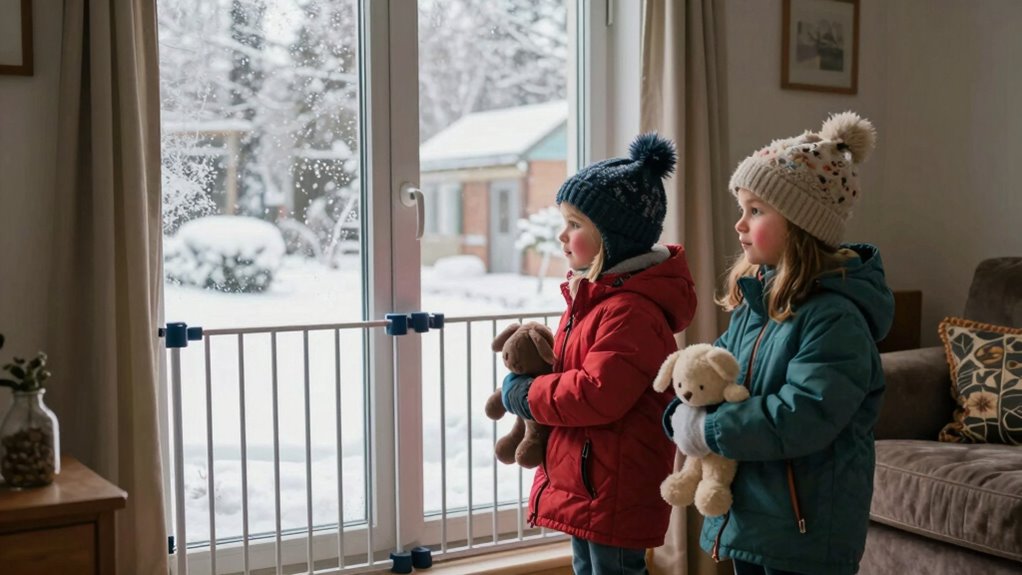
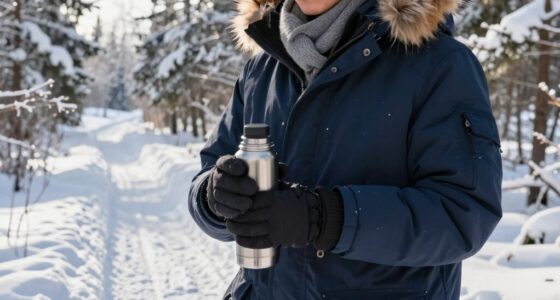
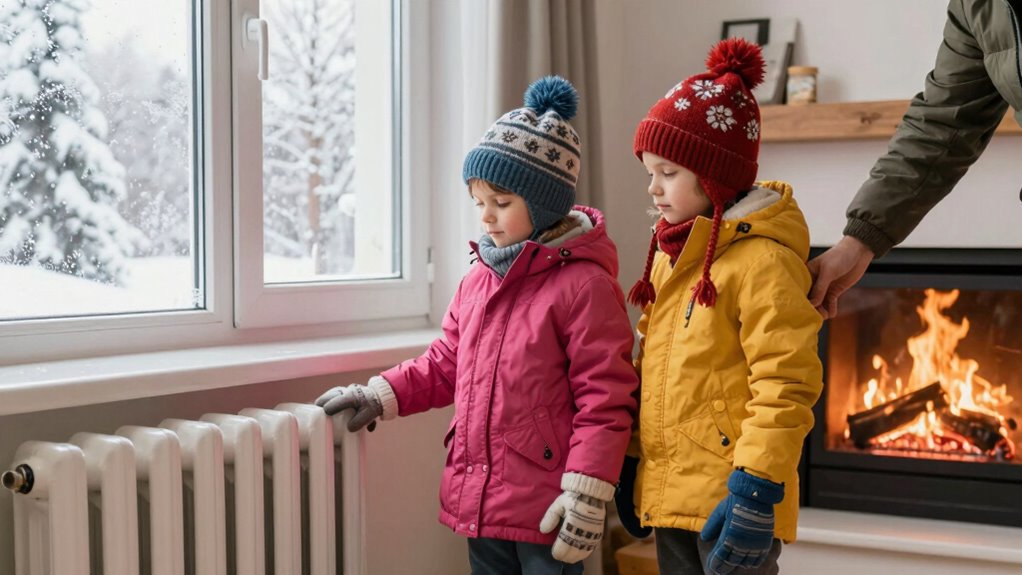
When your child ventures outside, cold weather gear becomes essential. You should always dress them in layers, starting with a moisture-wicking base layer to keep sweat away from the skin. Over this, add insulating layers like fleece or wool, and top it off with a waterproof, windproof outer layer. Don’t forget accessories like hats, gloves, scarves, and warm waterproof boots. These items serve as key barriers against the cold and help maintain body heat. Make sure the gear fits well; loose or tight clothing can compromise warmth and comfort. The right cold weather gear not only keeps your child warm but also prevents frostbite and hypothermia by reducing exposure to extreme temperatures. Ensuring proper cold weather gear is part of creating a safe environment for children during winter months. Establishing household safety rules around cold exposure is essential. Encourage your children to wear appropriate clothing whenever they go outside or even when they’re indoors if the environment is chilly. Remind them not to remove their hats or gloves while playing outside, as these are crucial for heat retention. Inside, maintain a comfortable indoor temperature—ideally above 68°F (20°C)—by adjusting your thermostat and using space heaters if needed. Always supervise your children during outdoor activities, especially in cold weather, and limit the time spent outside during extreme conditions. Additionally, educate your children on recognizing signs of cold-related issues, such as numbness or skin discoloration, so they can alert you early. Being aware of cold weather safety guidelines can further help prevent cold-related illnesses and injuries. Proper knowledge about appropriate outdoor supervision can significantly reduce the risks associated with cold exposure. Moreover, teaching children about the importance of layering techniques can empower them to take care of themselves in cold environments.
As an affiliate, we earn on qualifying purchases.
Frequently Asked Questions
How Can I Tell if My Child Is Too Cold?
You can tell if your child is too cold by checking for signs like shivering, pale skin, or fussiness. Feel their clothing insulation—if wet or damp, it’s a sign they’re losing heat. Make sure indoor heating keeps the room warm enough; if your child feels cold to the touch or complains of feeling chilly, add layers or adjust the thermostat. Regularly monitor their comfort to prevent cold-related issues.
What Are the Signs of Frostbite in Children?
Frostbite symptoms in children can be subtle but dangerous. Watch for skin that’s white, grayish, or mottled, feeling numb or firm. You might notice children become unusually cold or complain of tingling or burning sensations. Their child’s temperature awareness is essential—if they appear pale or glassy-eyed and complain of coldness, seek immediate medical help. Rapid action can prevent permanent damage; stay alert to these warning signs.
How Long Is Safe for Children to Be Exposed Outdoors?
You should limit your child’s outdoor exposure based on winter gear and temperature limits. Generally, if temperatures drop below 20°F (-6°C), keep outdoor time brief—about 15-30 minutes—especially if they’re not dressed in proper winter gear like insulated jackets, hats, and gloves. Always monitor how your child feels and looks for signs of cold stress, and bring them inside at the first sign of discomfort or frostbite risk.
Should Children Wear Special Clothing for Cold Weather?
Yes, children should wear special clothing for cold weather. You need to focus on winter accessories, thermal layering, and insulated, waterproof outerwear. Dress them in hats, gloves, and scarves to protect extremities. Layer clothing to trap warmth and prevent cold spots. This keeps your kids safe, comfortable, and warm during outdoor activities. Proper clothing isn’t just about comfort; it’s essential for preventing frostbite and hypothermia in cold conditions.
When Should I Seek Medical Help for Cold-Related Issues?
You should seek medical help immediately if your child shows signs of hypothermia, like shivering, confusion, or pale, cold skin, or if frostbite causes numbness or blistering. Make sure indoor warming to prevent further cold exposure, and keep emergency preparedness supplies handy. Acting quickly can prevent serious health issues, so don’t hesitate to get professional help when symptoms are severe or worsening.
children's layered thermal clothing
As an affiliate, we earn on qualifying purchases.
As an affiliate, we earn on qualifying purchases.
Conclusion
So, as you bundle your kids up tight and keep them warm, remember the irony: in trying to shield them from the cold, you might overlook the dangers of overprotection. A little exposure can build resilience, but too much—whether from neglect or overcare—can backfire. The real household safety rule? find that delicate balance. After all, the greatest lesson might be that sometimes, a bit of cold exposure is exactly what helps children grow stronger.
As an affiliate, we earn on qualifying purchases.
indoor space heater for children
As an affiliate, we earn on qualifying purchases.
As an affiliate, we earn on qualifying purchases.
Fall yard work Picks
leaf blowers
As an affiliate, we earn on qualifying purchases.