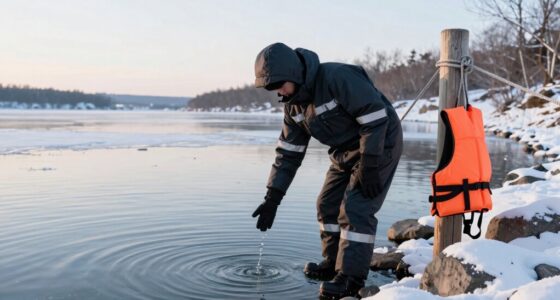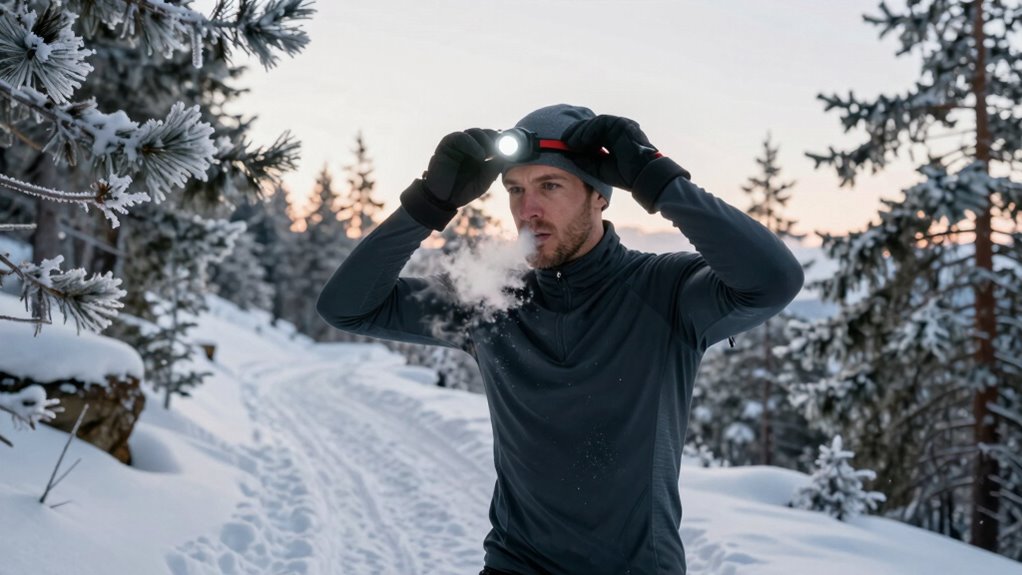

When training hard in cold weather, assess weather conditions and listen to your body for signs of cold stress. Wear layered, moisture-wicking clothing, insulated shoes, and protect your extremities to prevent frostbite. Stay hydrated, avoid caffeine and alcohol, and be aware of environmental risks like ice. Watch for symptoms like numbness or confusion, and stop if they appear. Curious about more tips to stay safe? Keep exploring to learn how to train safely in cold conditions.
Key Takeaways
- Assess weather conditions and recognize personal limits before training outdoors in cold weather.
- Layer clothing appropriately with moisture-wicking, insulating, and windproof materials to prevent cold stress.
- Wear waterproof, insulated footwear and protect extremities to reduce frostbite and slips on icy surfaces.
- Stay hydrated and maintain energy levels; avoid caffeine and alcohol which increase heat loss.
- Monitor for signs of cold stress and stop activity immediately if symptoms like numbness or confusion occur.

When you’re exposed to cold weather, safety should be your top priority to prevent hypothermia, frostbite, and other cold-related injuries. As someone who trains hard outdoors, you need to pay close attention to risk assessment before heading into the elements. This means evaluating the weather forecast, wind chill, and your activity level to determine how cold is too cold for your workout. Knowing the conditions helps you decide whether to push forward or postpone your session. It’s essential to understand that cold exposure affects everyone differently, so listen to your body and recognize early signs of cold stress.
Equally important is wearing the proper gear. Layering is your best strategy: start with moisture-wicking base layers that keep sweat away from your skin, followed by insulating layers that retain body heat, and finish with a windproof, waterproof outer shell. This combination helps maintain your core temperature and prevents rapid heat loss. Don’t forget to protect extremities—wear thick, insulated gloves, thermal socks, and a hat or head covering, since a significant amount of heat escapes through your head and hands. Proper gear isn’t just about comfort; it’s about safety. Well-chosen clothing minimizes the risk of frostbite and hypothermia, especially during prolonged exposure or high-intensity workouts.
In addition to clothing, consider your footwear. Choose waterproof, insulated shoes that provide traction on slippery surfaces. This reduces the chance of falls and injuries, which are common when icy conditions prevail. Hydration remains crucial, even in cold weather. Cold can mask your thirst, leading to dehydration that impairs your body’s ability to regulate temperature. Keep water accessible, and avoid caffeine or alcohol, which can increase heat loss. Staying aware of environmental factors that influence cold exposure can help you better prepare for unexpected changes in weather conditions.
During your training, stay vigilant for warning signs of cold-related issues. Shivering, numbness, confusion, and clumsiness indicate that your body is struggling to maintain warmth. If you notice these symptoms, stop exercising immediately, seek shelter, and warm up gradually. Remember that your body’s resilience has limits, and pushing too hard in freezing conditions can be dangerous. Additionally, understanding the importance of biodiversity in natural environments can help you choose safer, more sustainable training locations that are less prone to icy hazards.
Ultimately, safety in cold weather training hinges on thorough risk assessment and using proper gear. By preparing adequately, listening to your body, and adjusting your activity based on conditions, you can enjoy effective workouts without risking your health. Staying cautious and well-equipped allows you to train hard while minimizing the dangers of cold exposure.
insulated waterproof winter running shoes
As an affiliate, we earn on qualifying purchases.
As an affiliate, we earn on qualifying purchases.
Frequently Asked Questions
Can Cold Exposure Improve Athletic Performance?
Cold exposure can improve your athletic performance by promoting cold adaptation, which helps your body handle extreme conditions better. It also boosts mental resilience, making you more focused and less affected by discomfort during training or competition. Regular cold exposure encourages your body to recover faster and reduces inflammation. By building these physical and mental strengths, you’ll enhance your overall performance and endurance, giving you a competitive edge in your workouts.
How Long Should I Stay in Cold Exposure Sessions?
You should start with short cold exposure sessions, around 2-5 minutes, to build your cold tolerance safely. As you become more accustomed, gradually extend your session duration, but avoid exceeding 15-20 minutes to prevent adverse effects. Always listen to your body and prioritize safety, ensuring you don’t push beyond your limits. Properly timed and moderate cold exposure helps improve cold tolerance without risking overexposure.
Is Cold Exposure Safe for People With Heart Conditions?
Cold exposure can pose serious heart risks if you have pre-existing conditions. Picture your heart working harder against the cold’s shock, risking arrhythmias or strain. Cold therapy may benefit some, but without medical clearance, it’s dangerous for those with heart issues. You should consult your doctor before trying cold exposure, ensuring your safety as you explore these intense recovery methods. Don’t gamble with your heart—prioritize professional guidance.
What Are the Signs of Hypothermia During Cold Exposure?
You’ll notice hypothermia signs if you start shivering intensely or your skin turns pale or bluish. The shivering response is your body’s way of generating heat, but if it becomes uncontrollable, it’s a warning sign. Watch for confusion, drowsiness, or numbness, as these indicate your core temperature dropping dangerously. If you see these signs, get warm immediately and seek medical help to prevent serious complications.
Should I Hydrate Differently After Cold Exposure?
Think of your body as a garden after a storm. Post-exposure hydration is essential to help it recover, just like watering a garden helps it flourish. You should focus on replenishing fluids with electrolyte-rich drinks, ensuring your electrolyte balance stays in check. This prevents cramping and fatigue, supporting your recovery process. Drinking plenty of water and electrolytes helps your body restore its natural harmony, so you’re ready for your next workout.
moisture-wicking base layer shirts
As an affiliate, we earn on qualifying purchases.
As an affiliate, we earn on qualifying purchases.
Conclusion
Remember, while cold exposure can boost your resilience and recovery, safety is key. Always listen to your body and start gradually. Did you know that studies show cold exposure can reduce inflammation by up to 20%? That’s a significant benefit for hard trainers. Stay cautious, keep your sessions controlled, and prioritize proper warm-up and recovery. With these precautions, you can safely harness cold exposure’s benefits and improve your training results.
thermal insulated gloves for cold weather
As an affiliate, we earn on qualifying purchases.
As an affiliate, we earn on qualifying purchases.
windproof waterproof outdoor jacket
As an affiliate, we earn on qualifying purchases.
As an affiliate, we earn on qualifying purchases.