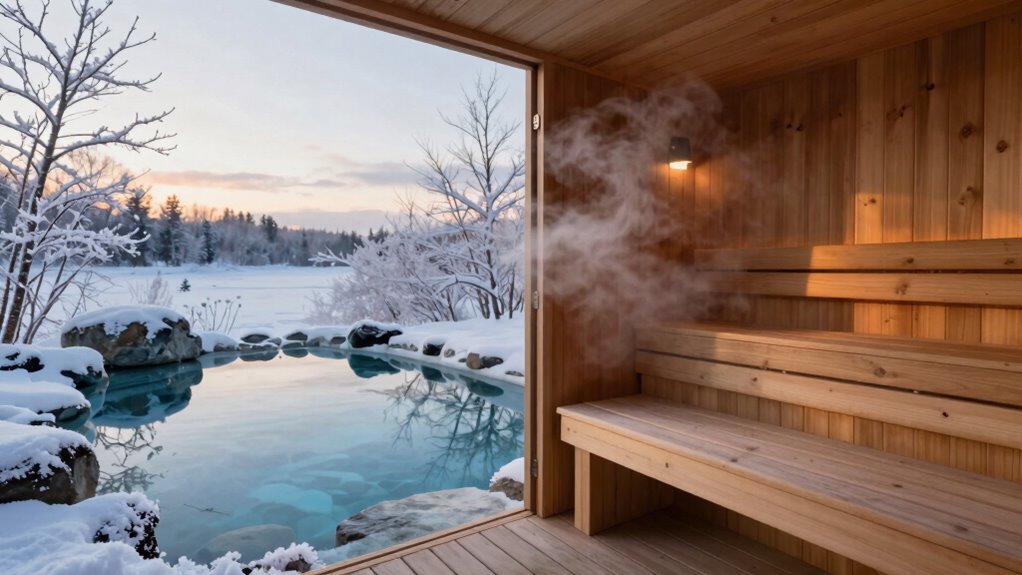

To avoid the “too much too fast” feeling when jumping into a cold plunge after a sauna, start by gradually cooling your body. Practice slow, deep breathing, and begin with lukewarm water before lowering the temperature coolly and progressively. Monitor your body signals like dizziness, numbness, or a rapid heartbeat, and keep your dips short at first. Following safety tips guarantees a comfortable shift—continue exploring to learn more about safe cold immersion strategies.

Get home appliances delivered free — and shop member deals
- Fast, free delivery on millions of items
- Access to Prime Big Deal Days deals on October 6–7
- Prime Video, Amazon Music and more included
Key Takeaways
- Gradually cool down by reducing sauna time before starting the cold plunge to prevent abrupt shock.
- Start with lukewarm water, then slowly decrease temperature to allow your body to adapt comfortably.
- Practice deep, controlled breathing during the transition to manage heart rate and reduce dizziness.
- Limit cold plunge duration to 1-3 minutes, gradually increasing as your body acclimates.
- Post-plunge, rewarm gradually and hydrate to support recovery and prevent overexposure.
cold plunge tub with temperature control
As an affiliate, we earn on qualifying purchases.
As an affiliate, we earn on qualifying purchases.
What Are the Risks of Jumping Straight Into Cold Water?
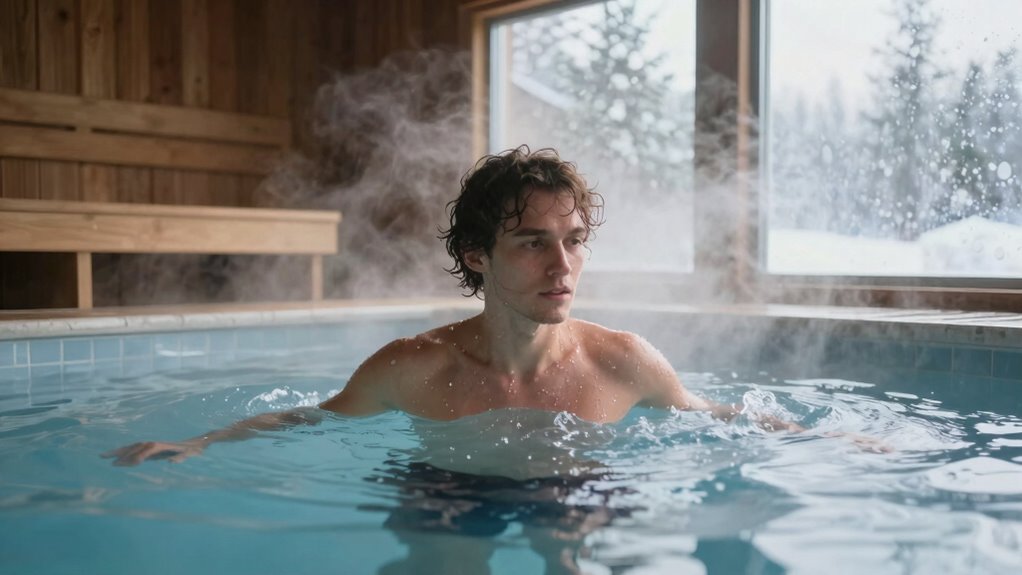
Jumping straight into cold water after a sauna can be risky because your body isn’t prepared for the sudden temperature shock. This rapid change can increase your hypothermia risk if your body cools too quickly, especially if you’re exposed for too long. Additionally, the abrupt cold puts significant cardiac stress on your heart, which may lead to irregular heartbeats or even heart attack in some cases. If your body isn’t warmed up enough, your blood vessels constrict sharply, forcing your heart to work harder. This stress can be dangerous, particularly for those with heart or circulatory issues. To stay safe, avoid rushing into cold water immediately after a sauna, and pay attention to how your body reacts during the transition.
As an affiliate, we earn on qualifying purchases.
How Can I Prepare My Body for a Cold Plunge?
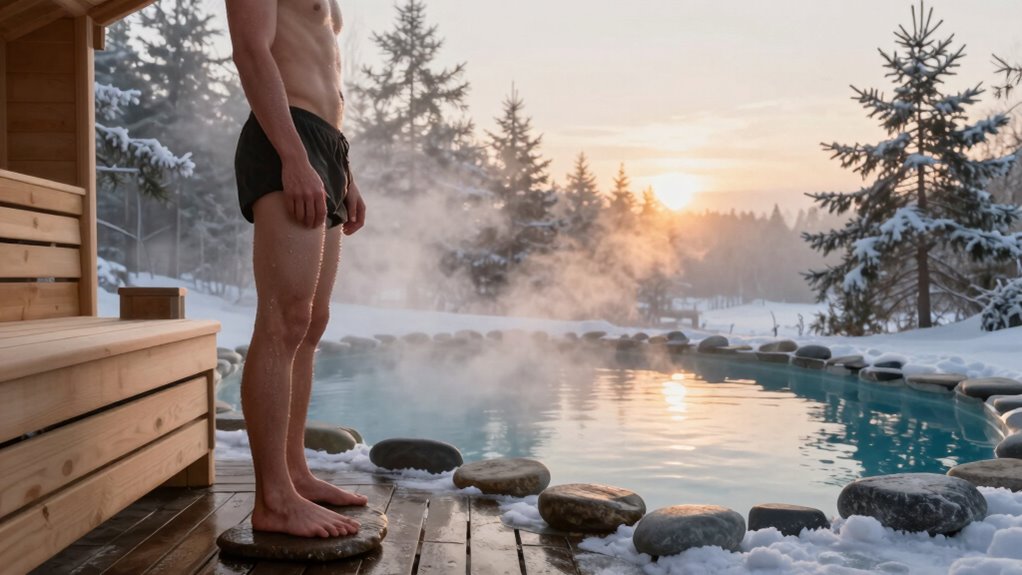
Preparing your body for a cold plunge involves gradually easing into cooler environments before the actual dip. This helps prevent shock and makes the experience more comfortable. Focus on breathing techniques to stay calm and control your heart rate. Practice slow, deep breaths to promote mental relaxation and reduce anxiety. You can also prepare by:
- Starting with lukewarm water and gradually lowering the temperature
- Engaging in light physical activity beforehand
- Practicing mindfulness or visualization exercises
- Ensuring you’re well-hydrated and rested
- Incorporating Free Floating techniques to enhance relaxation and recovery
- Utilizing environmental control through smart home automation to create optimal conditions for your immersion
- Monitoring your body’s responses with biometric feedback to better understand your limits and progress
- Building gradual exposure over time to foster thermal adaptation and reduce discomfort
These steps help your body adapt smoothly, minimizing the “too much too fast” feeling. Additionally, using smart home automation to control and monitor environmental factors can optimize your preparation process. Remember, mental relaxation paired with controlled breathing makes the progression easier and more enjoyable. This preparation sets a solid foundation for a safe, invigorating cold plunge.
As an affiliate, we earn on qualifying purchases.
What Are Easy Steps for Gradually Cooling Down?

To cool down safely after a sauna, start with short dips into cold water rather than jumping in all at once. Begin with lukewarm water to ease your body into the temperature change, then gradually lower the water’s temperature. Remember to breathe deeply and rest between dips to help your body adjust smoothly. Incorporating thermal behavior principles can also help you understand how your body responds to temperature shifts more effectively. Paying attention to your body’s thermoregulation responses can prevent discomfort or shock from sudden temperature changes. Developing a gradual cooling routine can further support your body’s natural recovery process and promote a more comfortable experience. Additionally, being mindful of your body’s temperature regulation signals can help you avoid overexposure to cold and ensure a safe, enjoyable cooling process. Understanding your body’s thermal adaptation can also enhance your ability to recover comfortably from temperature extremes.
Start With Short Dips
Starting with short dips is an easy way to ease your body into the cooling process after a sauna session. Begin with brief immersions, gradually extending your time as your comfort increases. This approach helps prevent shock and promotes relaxation. During these dips, focus on mindful stretching to keep your muscles supple and relaxed. Remember to stay hydrated with effective hydration strategies—drink water before, during, and after your dips to support circulation and recovery. Keep the temperature manageable, starting with a cool but not freezing plunge. Listen to your body, and avoid rushing into long cold dips right away. This gradual method allows your body to adapt comfortably, reducing the risk of feeling overwhelmed or experiencing dizziness. Incorporating proper cooling techniques can further enhance your experience and safety. Additionally, paying attention to ergonomic post-saure routines can help your body recover more effectively and maintain overall comfort. Gradually increasing the duration and intensity of your cold plunges can boost your resilience and improve your overall recovery process. To further optimize your recovery, consider integrating gentle post-dip stretches that support muscle relaxation and circulation.
Use Lukewarm Water First
After easing into your cooling routine with short dips, using lukewarm water can make the process more comfortable. Start by gradually lowering the water temperature, avoiding a sudden jump to cold. This helps your body adapt without shock, reducing the risk of dizziness or discomfort. Keep safety precautions in mind: don’t push yourself too quickly, and listen to how your body responds. Aim for water that feels cool but not chilling—around room temperature or slightly cooler. As you become more comfortable, you can slowly decrease the temperature in small steps. This gentle approach allows your body to adjust gradually, making the shift from sauna heat to cool water safer and more pleasant. Incorporating gradual temperature adjustments can further enhance your comfort and safety during the cooling process. Additionally, paying attention to body signals helps ensure you don’t overdo it, promoting a safe and effective cooling routine. Being mindful of your body’s tolerance can help prevent overexertion and ensure a more relaxing recovery. Remember that listening to your body is a key part of a safe cooling strategy, especially as you become accustomed to the routine. Incorporating proper pacing can help prevent overstimulation and make the experience more enjoyable.
Breathe and Rest Between
As you begin cooling down, focusing on your breathing and taking time to rest can make the process smoother and safer. Use breathing techniques like deep inhales through your nose and slow exhales to help your body adjust gradually. Incorporate simple relaxation exercises, such as gentle stretching or mindful awareness, to ease tension. Resting between cold plunges allows your body to recover and prevents overexposure. To enhance this process, consider:
- Practicing controlled breathing exercises
- Sitting quietly to relax your muscles
- Taking short, mindful pauses after each cold exposure
- Staying hydrated and comfortable during rest periods
- Being aware of indoor air quality to support overall recovery
Monitoring air circulation in your environment can also help optimize your breathing and comfort during recovery. Improving air quality can further aid your body’s adjustment and overall well-being. Being mindful of body signals such as dizziness or discomfort can help you respond promptly and prevent overdoing it. These steps help your body adapt gradually, reducing the risk of feeling overwhelmed or dizzy. Breathe deeply and rest well to enjoy the benefits safely.
biometric feedback water thermometer
As an affiliate, we earn on qualifying purchases.
As an affiliate, we earn on qualifying purchases.
How Do I Monitor My Body During a Cold Plunge?
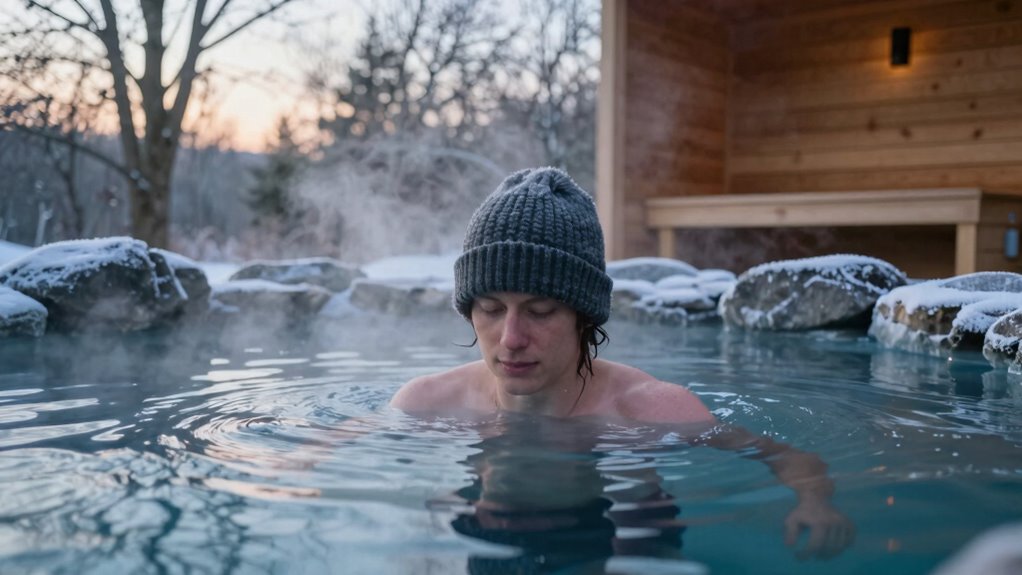
As you begin your cold plunge, keep an eye on your heart rate to guarantee it stays within a safe range. Pay attention to any numbness or tingling in your extremities, which can signal your body is reacting strongly. Monitoring these signs helps you stay in control and avoid overdoing it.
Track Heart Rate
Wondering how to keep track of your heart during a cold plunge? Monitoring your heart rate is essential to understanding your body’s cardiovascular response and avoiding overexertion. Using a fitness tracker or heart rate monitor helps you stay within safe limits. Keep an eye on these key signs:
- Rapid increase in heart rate
- Unusual palpitations
- Sudden drops or irregular rhythm
- Feelings of lightheadedness
Watch for Numbness
During a cold plunge, paying close attention to numbness is essential for your safety. Numbness awareness helps you recognize when your body is reacting too strongly to the cold, signaling that you should exit or adjust your exposure. As you immerse yourself, regularly monitor your sensation levels, especially in extremities like fingers, toes, and ears. If you notice a loss of feeling or tingling that persists, it’s a sign to stop and warm up. Staying attentive to sensation monitoring keeps you in tune with your body’s limits, preventing cold injury or discomfort. Remember, feeling numb isn’t the goal; it’s a warning. Prioritizing numbness awareness helps you enjoy the benefits safely and avoid overexposure.
How Long Should I Stay in the Cold Water?
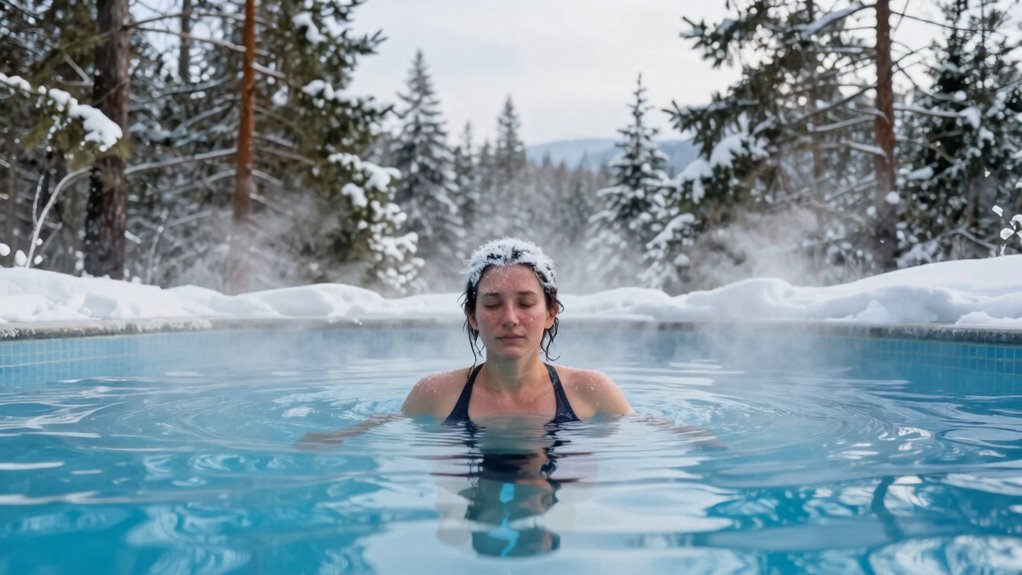
Knowing how long to stay in cold water after a sauna is essential for safety and maximizing benefits. Typically, a plunge lasting 1 to 3 minutes is enough to stimulate temperature regulation and build mental resilience. Pay attention to your body’s signals—don’t push beyond your comfort zone. Factors like water temperature, your experience level, and how quickly you recover influence ideal timing. To enhance your cold plunge experience, keep these in mind:
- Start with shorter durations and gradually increase
- Listen for signs of numbness or dizziness
- Maintain steady breathing to support mental resilience
- Avoid staying too long to prevent shock or hypothermia
Post-Plunge Recovery Tips for Comfort and Safety

After completing your cold plunge, focus on gentle warming and rehydration to guarantee a safe and comfortable recovery. Start by sipping water or herbal tea to stay hydrated, as proper hydration tips help your body recover faster. Take slow, deep breaths to promote mental relaxation, easing any lingering tension. Avoid sudden movements, which can cause dizziness. Rest in a warm, cozy environment until you feel steady. To evoke calmness, consider listening to soothing music or practicing mindfulness. Here’s a visual reminder of the key steps:
| Hydration Tips | Mental Relaxation | Gentle Warming |
|---|---|---|
| Sip water slowly | Deep breathing | Warm blanket |
| Avoid caffeine | Mindfulness | Gentle stretching |
| Replenish electrolytes | Meditation | Warm shower |
| Keep fluids nearby | Focus on calm | Soft lighting |
Common Mistakes to Avoid During Cold Water Immersion
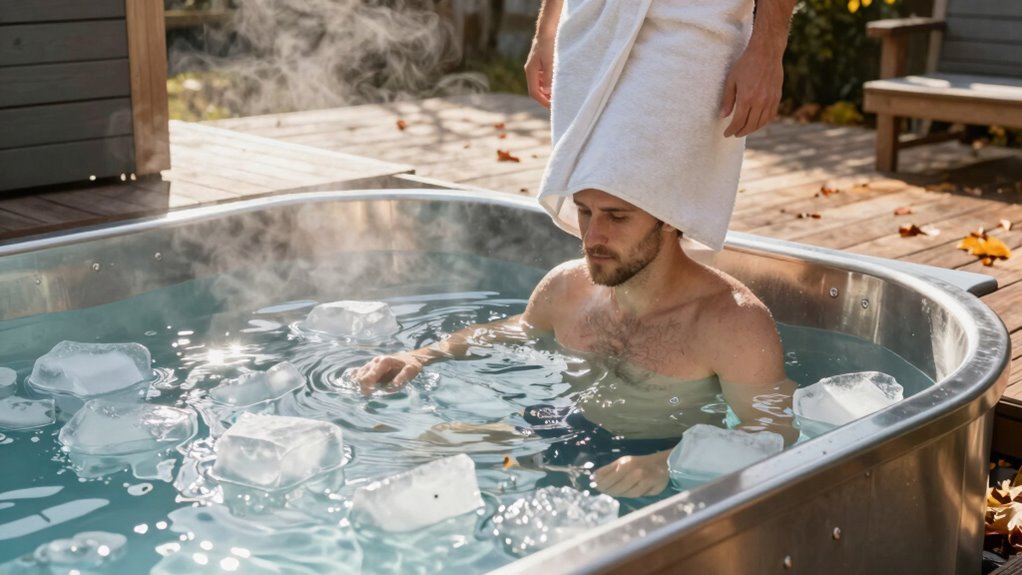
While focusing on gentle warming and hydration after a cold plunge helps guarantee a safe recovery, it’s equally important to avoid common mistakes during the immersion itself. One major mistake is ignoring water safety protocols, which can lead to dangerous situations. You should also be cautious of cold shock, which can cause rapid breathing, dizziness, or loss of control. Jumping into cold water too quickly can increase risk, so ease in gradually. Additionally, avoid overexerting yourself or staying in too long, as this strains your body’s response. Here are key mistakes to avoid:
Avoid rushing in, overexerting, or ignoring water safety during a cold plunge for a safer experience.
- Ignoring water safety guidelines
- Jumping into cold water abruptly
- Overexerting during immersion
- Staying in too long without monitoring your response
Frequently Asked Questions
Can Cold Plunges Help With Muscle Recovery?
Cold plunges can help with muscle recovery by reducing inflammation through cold shock therapy, which constricts blood vessels and decreases swelling. This process promotes faster healing and less soreness. Additionally, cold plunges may boost your immune system, making you more resilient to infections. Incorporating cold plunges after workouts can enhance recovery, but start slowly to avoid shock or discomfort. Over time, your body adapts, maximizing benefits.
How Does Cold Exposure Affect Blood Circulation?
When you expose your body to cold, blood flow shifts dramatically. You experience vasoconstriction, narrowing your blood vessels, which initially reduces circulation. But don’t worry—this is just the beginning. As your body adapts, blood flow increases again, helping flush out toxins and boost recovery. This dynamic response enhances circulation, making cold exposure a powerful tool for improving your overall cardiovascular health, one chill at a time.
Is There an Ideal Temperature Range for Cold Plunges?
The ideal temperature for cold plunges typically ranges between 50°F and 59°F (10°C-15°C). Staying within these cold plunge thresholds helps you avoid shock and discomfort, making your experience safer and more enjoyable. If you’re new, start at the higher end of this range and gradually lower the temperature as your body adapts. Always listen to your body to prevent overexposure and ensure maximum benefits.
Are There Any Health Conditions That Contraindicate Cold Plunges?
If you have heart conditions or circulatory disorders, cold plunges might not be safe. You could experience sudden stress on your heart or blood vessels, which can be risky. It’s easy to overlook how your body reacts, especially if you’re feeling good. Always check with your doctor before trying cold plunges, especially if you have underlying health issues. Listening to your body is key to enjoying the benefits safely.
How Often Should I Incorporate Cold Plunges Into My Routine?
You should incorporate cold plunges into your routine 2-3 times a week to maximize recovery benefits and build mental resilience. Start with shorter durations and gradually increase exposure to avoid overwhelming your body. Listen to how you feel after each plunge, ensuring you don’t push too hard too fast. Consistency helps your body adapt, leading to improved recovery and mental toughness over time.
Conclusion
Remember, rushing into cold water is like chasing shadows—you might miss the true benefits if you go too fast. By preparing your body, listening to its signals, and taking gradual steps, you turn a chilling plunge into a revitalizing ritual. Embrace patience and caution; your body’s wisdom is the compass guiding you safely through this invigorating journey. After all, the thrill lies not just in the cold, but in respecting its power.
Fall yard work Picks
leaf blowers
As an affiliate, we earn on qualifying purchases.